Ancient Wisdom, Modern Needs
Going back to our ancestral roots, eating after sundown was largely avoided due to safety concerns; the fear of predators meant foraging and hunting ceased
with daylight. This natural pause in eating, lasting thousands of years, highlights a fundamental biological rhythm. Celebrity nutritionist Ryan Fernando points out a disconnect between our ancient dietary patterns and our current lifestyles. While our grandparents might have engaged in more physical labor, many of us now lead sedentary lives, working at desks. Fernando suggests that our modern diet should reflect this difference, emphasizing more vegetables and a moderate amount of protein rather than heavy carbohydrates or rice late in the day. This advice underscores the importance of considering our daily activity levels and ancestral eating habits when planning our modern diets, especially concerning the timing of our meals.
Circadian Rhythm Disruption
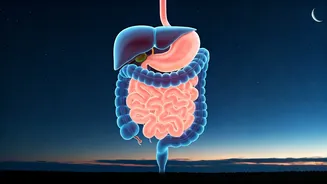
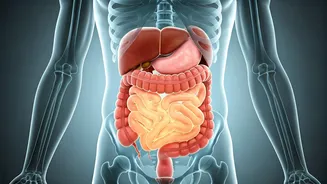
Consuming food in the evening can significantly disrupt the body's intricate metabolic and digestive functions, primarily because it goes against our natural circadian rhythm, which acts as the master clock for numerous physiological processes. When we eat late, we interfere with this internal timing, leading to a cascade of negative effects. Digestion slows down considerably, the secretion of gastric acid can increase, and the body's ability to process glucose effectively becomes impaired. This misalignment is closely linked to heightened blood sugar levels after meals and a diminished sensitivity to insulin, both of which are risk factors for developing chronic health issues like obesity, type 2 diabetes, and cardiovascular disease. Furthermore, the prolonged process of digestion continuing into sleep can trigger uncomfortable symptoms like acid reflux, ultimately degrading the quality of our rest.
Benefits of Early Dinners
Opting for an earlier dinner, ideally finishing your meal 3 to 4 hours before you go to bed, offers a host of metabolic advantages. This strategic meal timing supports the body's natural processes of lipolysis and fat oxidation, which are essential for effective weight management and efficient energy utilization. By eating earlier, you facilitate better hormonal balance, align your eating schedule with your body's biological clock, and enhance the absorption of vital nutrients. This structured eating window is designed to minimize post-meal insulin spikes during the night, a critical factor in preventing the accumulation of body fat. Ultimately, synchronizing your meal schedule with your innate biological rhythms is a foundational step towards achieving and maintaining long-term wellness and robust metabolic health.