Understanding Your Skin
Embarking on a journey to healthier, more radiant skin begins with a deep understanding of your unique skin type and its specific concerns. At-home testing
empowers you to become your own skin expert. This involves a keen observation of how your skin behaves throughout the day and in different environmental conditions. For instance, do you experience dryness and flakiness in cooler months, or do you tend to get shiny and break out in humid weather? Is your skin prone to redness and irritation, or does it feel consistently comfortable? Identifying whether your skin is oily, dry, combination, or sensitive is the foundational step. Once you have a grasp on your primary skin type, you can then delve into specific issues like acne, hyperpigmentation, fine lines, or dullness. Utilizing simple at-home methods, such as the tissue test in the morning to gauge oiliness or observing for tightness after cleansing, can provide valuable insights. This self-assessment allows you to move beyond generic advice and select products and routines that are truly tailored to your individual needs, paving the way for more effective and satisfying results in your beauty regimen.
Patch Testing Innovations
The crucial step of patch testing, a cornerstone of safe beauty exploration, has been revolutionized with innovative at-home solutions. Traditionally, this involved applying a small amount of a new product to a discreet area of skin, like behind the ear or on the inner forearm, and waiting 24-48 hours for any adverse reactions. However, modern approaches are making this process more accessible and informative. Many brands now offer sample sizes or deluxe mini-versions of their full-sized products, allowing for thorough testing without a significant investment. Furthermore, the rise of online beauty communities and influencer reviews provides a wealth of anecdotal evidence, helping users gauge the potential for sensitivity before even purchasing a product. Some advanced at-home kits are also emerging that aim to provide more objective data about skin reactions, though these are still relatively niche. The core principle remains: always introduce new ingredients or formulations slowly and observe your skin’s response diligently to avoid potential irritation, redness, or breakouts, ensuring a confident transition to new skincare and makeup.
DIY Formulation Fun
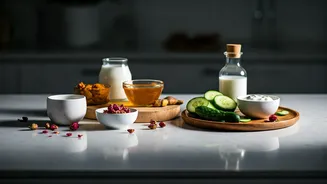
Beyond testing pre-made products, the realm of at-home beauty extends to the exciting world of DIY formulation, allowing for ultimate customization and control. This approach taps into the power of natural ingredients and basic cosmetic science to create personalized treatments. Imagine crafting a face mask tailored to combat your specific breakouts using ingredients like turmeric and honey, or whipping up a gentle body scrub with sugar, olive oil, and essential scents that you personally find invigorating. The process encourages a deeper connection with the ingredients you're applying to your skin, moving away from complex, often unpronounceable lists found in commercial products. It’s an opportunity to experiment with oils, butters, botanical extracts, and clays, understanding their properties and how they benefit your skin. Numerous online resources and beginner-friendly guides are available to demystify the process, offering simple recipes and safety tips. This hands-on approach not only allows you to create products perfectly suited to your skin type and preferences but also provides a deeply satisfying and creative outlet for beauty enthusiasts looking for a more holistic and artisanal experience.