Decoding Infection Onset
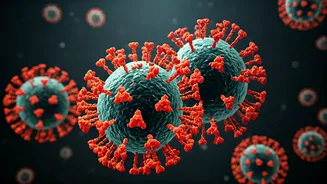
The initial phase of an infection, often referred to as the incubation period, is the time between exposure to a pathogen and the appearance of the first
symptoms. This duration can vary significantly depending on the type of illness; for instance, common colds might manifest symptoms within 1-3 days, while more serious viral infections could take up to two weeks or even longer. During this stage, the pathogen is multiplying within the body, but the immune system may not yet be actively fighting it off, leading to a lack of noticeable signs. Factors such as the individual's overall health, the specific strain of the pathogen, and the initial dose of exposure all play a crucial role in determining how quickly symptoms emerge. Understanding this period is vital for early detection and preventing further spread, as some infections can be contagious even before visible symptoms appear. It's a quiet buildup before the storm, where the body is unknowingly preparing for a battle.
Hospitalization Criteria Explained
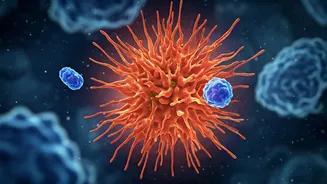
Hospitalization becomes necessary when an illness progresses to a point where home care is insufficient to manage the severity of symptoms or complications. This typically occurs when an individual experiences severe symptoms such as high fever that doesn't subside, difficulty breathing, dehydration, extreme weakness, or significant pain that cannot be controlled with standard medications. For certain conditions, like severe pneumonia, acute cardiac events, or serious injuries, immediate hospital admission is crucial for specialized medical intervention. The decision to hospitalize is usually made by a healthcare professional who assesses the patient's vital signs, the progression of the disease, and the risk of deterioration. It signifies a need for advanced diagnostic tools, continuous monitoring, and treatments that are only available in a hospital setting, such as intravenous medications, oxygen therapy, or surgical procedures. It’s a critical juncture where intensive care becomes paramount for survival and recovery.
The Recovery Journey
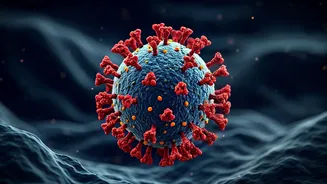
The recovery period is the phase following acute illness or hospitalization, where the body gradually regains strength and returns to its pre-illness state. This journey is highly individual and influenced by the nature and severity of the illness, the patient's age, underlying health conditions, and the effectiveness of the treatment received. For common viral infections, recovery might take a few days to a couple of weeks, marked by a gradual fading of symptoms and a return to normal energy levels. However, for more serious conditions or those requiring surgery, the recovery can be extended, sometimes spanning several weeks or even months. This phase often involves a period of convalescence, which may include rest, proper nutrition, and sometimes physical therapy or rehabilitation to regain lost function. It's a critical time for listening to one's body, avoiding overexertion, and adhering to medical advice to ensure a complete and sustainable return to health, minimizing the risk of relapse or long-term complications.