A Hidden Indigo Cousin
While yellow turmeric, or Curcuma longa, is a daily staple in most Indian households, a less common relative, known scientifically as Curcuma caesia, offers
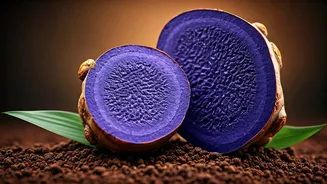
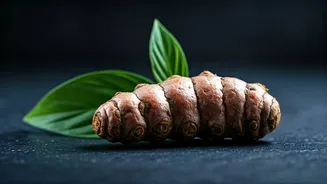
a striking visual contrast with its deep indigo-blue or purplish interior. Often called black turmeric or kali haldi, this variety shares a similar outer appearance to its yellow cousin and ginger, but its internal colour is its most distinguishing feature. Unlike the culinary essential that graces our spice racks, blue turmeric is primarily reserved for the ancient practices of Ayurveda and traditional Indian medicine. Experts highlight that the two types possess fundamentally different compositions and applications. Edwina Raj, Head of Services at Aster CMI Hospital's Clinical Nutrition & Dietetics, notes that regular turmeric’s yellow hue comes from curcumin, making it ideal for cooking. Blue turmeric, conversely, has a potent aroma and a flavour profile described as bitter and reminiscent of camphor, rendering it less appealing for gastronomic use.
Chemistry of Contrast
The divergence between blue and yellow turmeric is rooted in their distinct chemical constituents. Yellow turmeric is abundant in curcumin, a powerful compound celebrated for its potent anti-inflammatory and antioxidant capabilities, which is why it's so integrated into diets, supplements, and home remedies. In stark contrast, blue turmeric contains a significantly lower amount of curcumin. Instead, its richness lies in essential oils like camphor, ar-turmerone, and other phenolic compounds. These specific elements are responsible for its sharp, camphor-like fragrance and its characteristic bitter, pungent taste. Consequently, blue turmeric finds little place in everyday cooking, being instead sought after for specific therapeutic purposes within traditional healing systems.
Traditional Healing Powers
Within Ayurvedic traditions and folk medicine, blue turmeric is traditionally believed to impart a range of benefits when utilized judiciously. Its application as a paste is common for alleviating joint pain, bruising, and muscle soreness, leveraging its anti-inflammatory properties. Furthermore, its camphoraceous compounds have led to its use in remedies for respiratory ailments such as coughs, asthma, bronchitis, and nasal congestion. It is also thought to possess antimicrobial qualities, aiding in the fight against infections and promoting the healing of wounds. For digestive issues, small doses are traditionally used to help reduce gas and alleviate stomach discomfort. Its soothing characteristics also lend themselves to skincare applications, addressing minor rashes, itching, and skin irritations. It is important to note that these applications are largely based on historical practices, and robust scientific validation for blue turmeric lags behind that for its yellow counterpart.
Why Not in Kitchens?
The absence of blue turmeric from typical supermarket shelves can be attributed to a combination of its sensory profile and its ecological status. Its intensely bitter, camphor-like flavour profile renders it unsuitable for the nuanced tastes of everyday culinary creations. Beyond its taste, blue turmeric is also a rarer species compared to yellow turmeric, and in certain regions, it faces vulnerability due to excessive harvesting. Adding another layer to its significance, in various parts of India, particularly among tribal communities, blue turmeric holds considerable cultural and spiritual importance, occasionally featuring in traditional rituals and ceremonies, further setting it apart from a common spice.
A Potent Caution
It is crucial to understand that blue turmeric is a potent substance and should not be consumed in the same casual manner as regular turmeric. Its high concentration of volatile oils and active compounds means that excessive intake can lead to adverse effects. Specific groups should exercise particular caution, including pregnant or breastfeeding women, individuals with existing liver conditions, those undergoing medical treatment, and people with underlying health issues. Before considering blue turmeric as a supplement or therapeutic agent, consulting a qualified healthcare professional is paramount. This information is provided solely for educational purposes and does not constitute medical advice.