Maritime Connectivity Advance
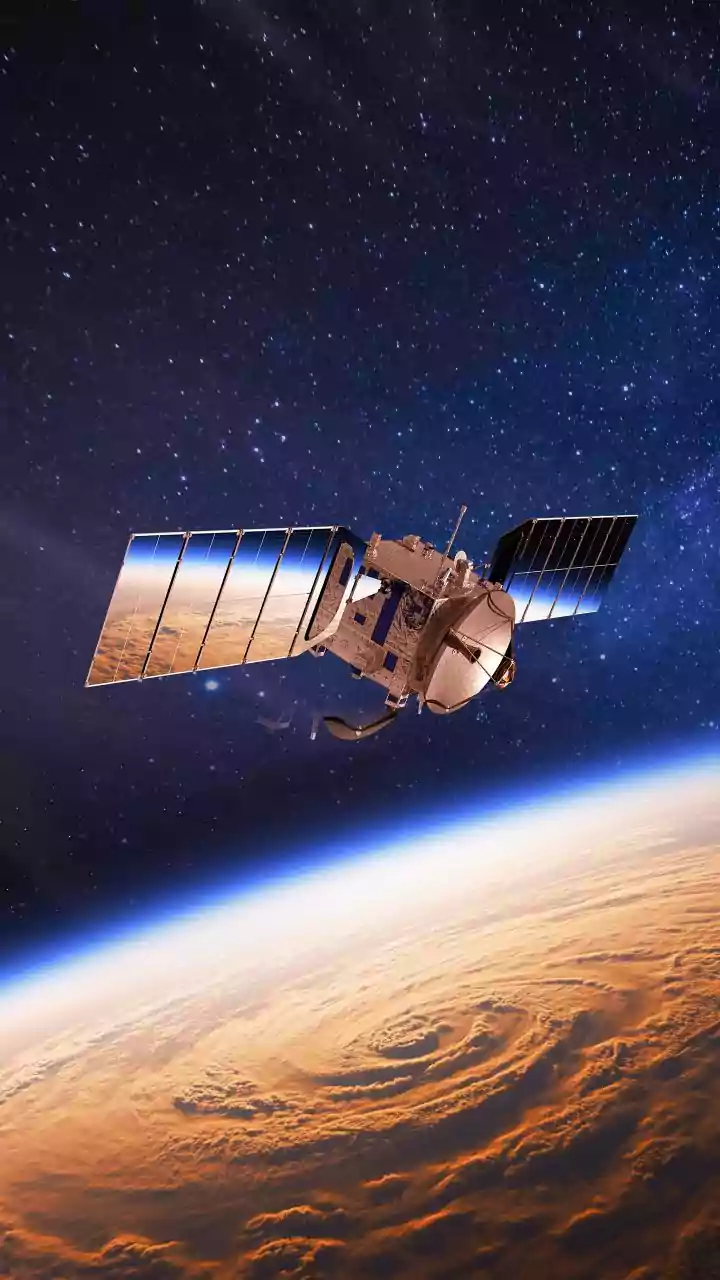
Amazon has officially inked its inaugural reseller contracts for maritime broadband services, signaling a significant step forward for its low Earth orbit
satellite constellation, Leo. This development comes as the company prepares for another substantial satellite deployment, slated for the maiden voyage of Europe's Ariane 64 rocket this week. The Leo constellation has already established collaborations with two prominent companies: U.S.-based MTN and ELCOME, hailing from the United Arab Emirates. Notably, both of these partners also currently offer reseller arrangements for a rival's operational satellite internet service. While initial trials with potential customers are scheduled for this year, Amazon has yet to reveal precise launch dates for these new maritime services. It's anticipated that, much like in-flight connectivity, the marine sector will require a more extensive satellite network to be in place before services can be rolled out comprehensively.
High-Speed Terminal Options
For maritime users eager to harness the power of this burgeoning satellite network, Amazon is prepared to offer two distinct connectivity solutions. The first is the Amazon Leo Pro antenna, engineered to deliver impressive download speeds reaching up to 400 megabits per second. For those requiring even greater bandwidth, the Leo Ultra terminal is being developed, designed to support download speeds of up to a remarkable 1 gigabit per second. These advanced terminals promise to significantly enhance internet access for vessels at sea, enabling a wider range of applications and improving operational efficiency for maritime businesses and crews alike.
Deployment Progress and Challenges
The journey to establish the complete Leo constellation is well underway, with approximately 180 of the planned 3,232 satellites already in orbit since deployments commenced in April. However, the ambitious deployment schedule faces logistical hurdles. Amazon has recently submitted a request to the U.S. Federal Communications Commission for an extension of at least two years beyond the original July deadline to deploy half of its constellation. The satellites launched thus far have utilized a diverse range of launch vehicles, including SpaceX's Falcon 9 and United Launch Alliance's Atlas 5 rockets, as part of a multi-provider strategy established in 2022. This collaborative approach ensures flexibility and redundancy in the ongoing satellite deployment efforts.
Future Launch Campaigns
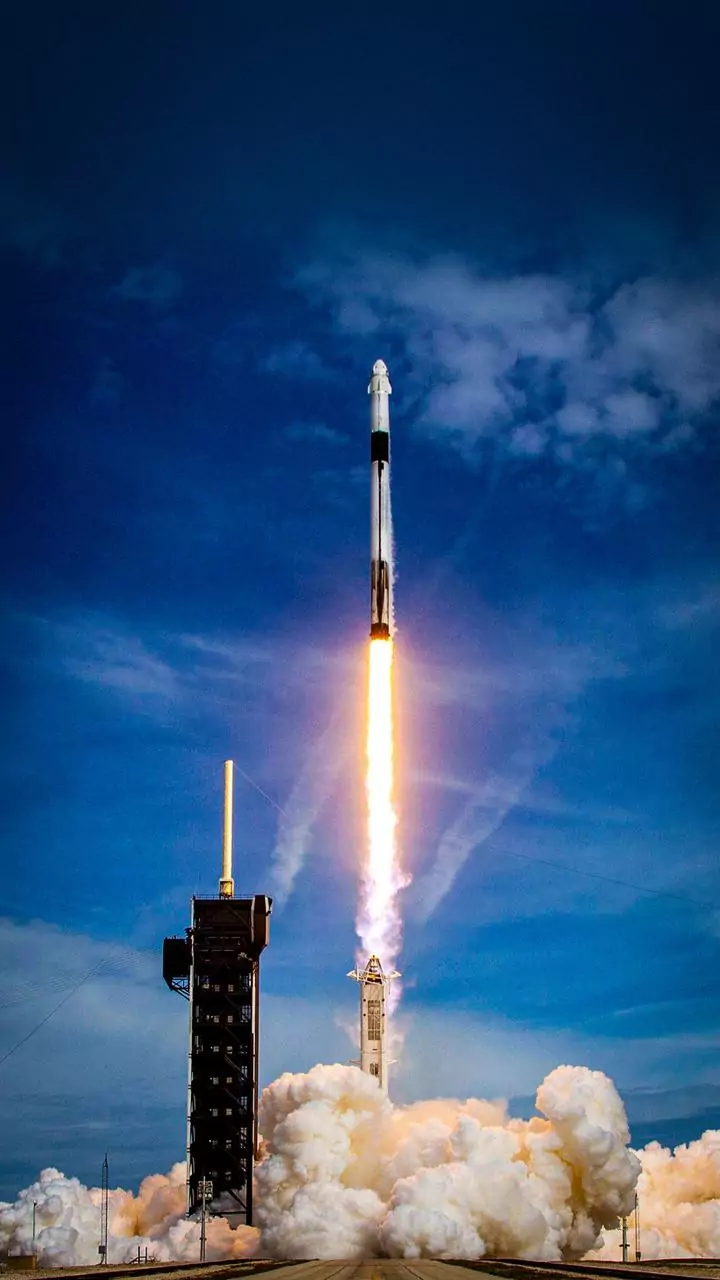
To accelerate the constellation's build-out, Amazon has secured a substantial commitment for 18 launches with Arianespace, a company that recently introduced a new, lower-lift variant of its Ariane 6 rocket in 2024. The Ariane 64 version, distinguished by its four solid rocket boosters, is slated to carry 32 Leo satellites on its inaugural flight on February 12th, departing from Europe’s Spaceport in French Guiana. Arianespace anticipates a busy year for its new rocket, projecting as many as eight Ariane 6 launches in total throughout 2024, following four successful launches in 2025. A significant portion of these missions are already designated for Amazon, solidifying Amazon's position as Arianespace's most significant customer and highlighting the critical role of these launches in realizing the Leo constellation's full potential.