Nutrient Deficiencies Explained
The cornerstone of a girl's health trajectory lies in her nutritional intake during childhood. A diet lacking vital components, such as iron, protein,
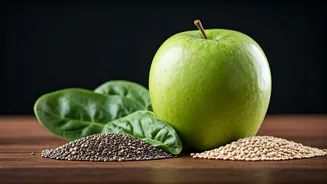
calcium, and essential vitamins, can initiate a cascade of adverse effects. Iron deficiency, for instance, leads to anemia, causing fatigue and reduced cognitive function, which can affect her ability to learn and engage. Protein, fundamental for growth and repair, is crucial, and its absence can hinder physical development, making the girl more susceptible to infections. Calcium, a key component for healthy bones and teeth, can result in skeletal issues if not consumed adequately. Similarly, insufficient vitamins, such as vitamin D, which aids in calcium absorption, can further compromise bone health, heightening the risk of fractures and long-term musculoskeletal problems. These deficiencies collectively lay the groundwork for a range of health issues that can persist throughout her life. Addressing these nutritional gaps early is essential in order to provide the girl with a healthier future.
Growth & Immunity Impacts
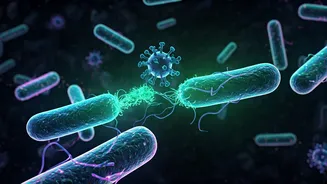
One of the most immediate consequences of poor nutrition in girls is stunted growth. When essential nutrients are consistently absent, the body cannot function optimally, therefore, leading to shorter stature and a slower rate of physical development compared to girls receiving adequate nourishment. Additionally, a diet lacking in essential vitamins and minerals directly impacts the immune system. A girl with poor nutrition may have a compromised immune function, rendering her more vulnerable to infections. She may experience more frequent illnesses, longer recovery periods, and an increased likelihood of developing chronic conditions later in life. This weakened immunity stems from the inability of the body to produce sufficient antibodies and immune cells that help fight off pathogens. Furthermore, nutritional deficiencies can disrupt the balance of the gut microbiome, which further contributes to weakened immunity. Consequently, regular consumption of a balanced diet filled with vitamins and minerals can enhance immune function, helping a girl build a stronger defense against disease.
Hormonal Imbalances & Health
Childhood nutrition plays a pivotal role in hormonal balance, with implications extending into adolescence and adulthood. Adequate nutrient intake is crucial for the healthy development of endocrine systems, which govern a multitude of processes, from growth to reproductive functions. Deficiencies in vitamins, minerals, and other essential nutrients can interfere with hormone production and regulation. For example, deficiencies in iodine can disrupt thyroid function, which leads to metabolic issues. Imbalances in these hormonal systems during childhood can predispose girls to early puberty, irregular menstrual cycles, and an increased risk of long-term problems. The development of insulin resistance can also be accelerated through malnutrition in childhood. This, in turn, can increase the risk of type 2 diabetes later in life. Therefore, a diet rich in essential nutrients is not just about physical growth, but about ensuring that a girl's endocrine system develops and functions optimally, thereby preventing a host of health complications later in life.