Knife Skills Mastery
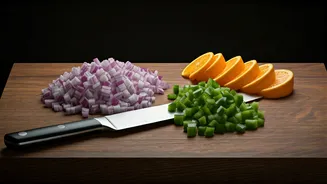
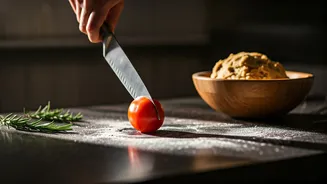
Precision in the kitchen starts with mastering your knife. Learning to properly hold and maneuver your knife is crucial for both efficiency and safety.
Understanding different cuts like dicing, mincing, and julienning allows for even cooking and appealing presentation. For instance, consistent dice sizes ensure that vegetables cook uniformly, preventing some pieces from becoming mushy while others remain undercooked. Practicing these foundational knife skills will significantly enhance your cooking speed and the overall quality of your dishes, making the preparation process more enjoyable and less intimidating for aspiring chefs.
Heat Control Basics
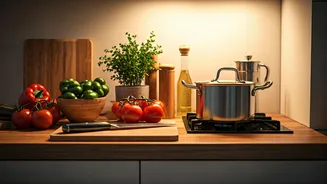
Understanding and controlling heat is paramount to successful cooking. Different ingredients and cooking methods require specific temperature management. For example, searing meats benefits from high heat to develop a flavorful crust, while delicate sauces need low, gentle heat to prevent scorching or curdling. Learning to recognize visual cues, such as the shimmering of oil or the gentle bubbling of a simmer, helps in maintaining the correct temperature without relying solely on timers. Effective heat management prevents burning, ensures food is cooked through, and unlocks optimal textures and flavors in your culinary creations.
Flavor Building Blocks
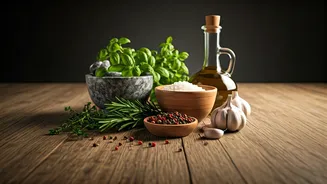
The foundation of delicious food lies in building layers of flavor. This involves understanding how to balance tastes—sweet, sour, salty, bitter, and umami—and utilizing aromatics like garlic and onions to create depth. Seasoning is not just about adding salt; it's about judiciously using herbs, spices, and acids at the right stages of cooking. For instance, adding a squeeze of lemon juice or a splash of vinegar at the end of a dish can brighten its overall taste profile. Mastering these flavor-building principles transforms ordinary ingredients into extraordinary meals that tantalize the palate.
Cooking Methods Explained
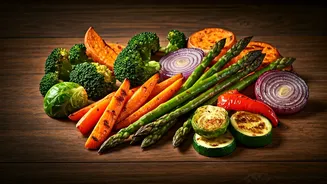
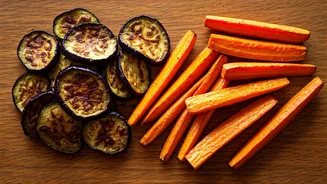
Exploring various cooking methods opens up a world of culinary possibilities. From dry heat techniques like roasting and grilling, which caramelize food and create rich flavors, to moist heat methods like steaming and braising, which tenderize ingredients, each method serves a unique purpose. Roasting vegetables at high temperatures, for instance, concentrates their natural sugars, resulting in a delightful sweetness and slightly crisp texture. Understanding when to employ each technique ensures that you can achieve the desired outcome for any recipe, whether it's a succulent roast chicken or a tender, slow-cooked stew.