Roots of the Bazaar
India's 'chor bazaars,' often translated as 'thieves' markets,' are far more than mere trading posts; they are dynamic repositories of history, culture,
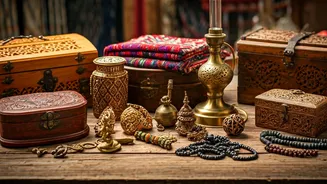
and the rhythm of daily life. These lively hubs are renowned for their eclectic collections, featuring everything from genuine antiques and vintage pieces to quirky curios and items one might have thought were irretrievably lost. Over time, they have cemented their status as essential destinations for savvy bargain hunters, curious tourists, and observant locals, offering an unfiltered perspective on India's vibrant and sometimes wonderfully chaotic commerce. The genesis of these markets stretches back centuries, with early traders and peddlers congregating in busy thoroughfares to offer a variety of pre-owned goods, heirlooms, and items that had passed through numerous hands. Eventually, these marketplaces became associated with the serendipitous reappearance of misplaced or stolen articles, leading to their distinctive appellation. In essence, most of these establishments function as lively flea markets where the spirit of recycling, repurposing, and resale is paramount, thriving particularly in India's dense urban centers where the demand for accessible goods has always been consistently high.
The Legend Unveiled
The name 'chor,' meaning 'thief' in several Indian languages like Hindi, Marathi, and Gujarati, lends an air of mystery to these markets. A popular anecdote suggests that if an item went missing in the bustling sprawl of an Indian city, there was a strong chance it could be recovered the very next morning from the local 'chor bazaar.' Intriguingly, Mumbai’s celebrated Chor Bazaar was not always known by this name; it was originally called 'Shor Bazaar,' which translates to 'noisy market,' a fitting description for the cacophony of sounds emanating from Mohammed Ali Road. As time passed, this name gradually evolved into 'Chor Bazaar,' and the captivating legend became inextricably linked to it. This etymological journey highlights the evolution of these markets from places of vibrant commerce to sites steeped in local folklore, adding another layer to their allure for visitors and residents alike.
Mumbai's Grand Bazaar
Standing as perhaps the most renowned of India's flea markets, Mumbai's Chor Bazaar is strategically situated near Bhendi Bazaar, on Mutton Street. It proudly holds the distinction of being one of the country's largest flea markets, gaining fame for its extensive offerings that include rare antiques, iconic Bollywood posters that capture cinematic history, vintage cameras preserving photographic memories, classic gramophones that once filled homes with music, and distinctive furniture pieces. This vibrant marketplace draws a significant number of tourists eager to immerse themselves in its wonderfully disorganized yet utterly charming atmosphere, while local residents consistently champion its exceptional value and the unbeatable bargains to be found. The market's almost mythical reputation as a place where misplaced belongings have a curious habit of resurfacing has significantly contributed to its legendary status, making it a truly unique shopping experience.
Delhi's Historic Heart
In the vibrant and labyrinthine lanes of Chandni Chowk lies Delhi's equally compelling 'chor bazaar.' This bustling market presents an astonishing variety of goods, ranging from antique coins and rare books that whisper tales of bygone eras to an assortment of second-hand electronics and musical instruments that still hold a tune. The market's character is deeply reflective of Delhi's rich and layered historical tapestry, where the influences of the Mughal era seamlessly blend with contemporary trade practices. For collectors and treasure hunters who relish the thrill of sifting through piles of forgotten relics and uncovering hidden gems, this market is an absolute paradise. It offers a tangible connection to the city's past, making every visit an adventure in discovery.
Srinagar's Unique Waterside
Srinagar introduces a truly distinctive dimension to the concept of a 'chor bazaar' with its enchanting floating market on the serene waters of Dal Lake. Here, vendors navigate their boats, offering a curated selection of antiques, exquisite local handicrafts, and intriguing curios directly from their vessels. This creates an almost surreal and undeniably picturesque shopping experience, where the tranquil beauty of the lake complements the unique commerce taking place. The market's allure extends beyond the tangible goods available; it is equally about the captivating atmosphere and the breathtaking natural setting. The shimmering surface of Dal Lake, reflecting the surrounding landscapes, significantly enhances the magical charm of this extraordinary marketplace, offering a tranquil yet engaging retail environment.
Beyond the Big Names
The spirit of the 'chor bazaar' is not confined to just the most famous metropolises; cities like Pune, Hyderabad, and Kolkata also boast their own vibrant interpretations of these eclectic markets, each infused with a distinct local character and flavor. Whether one is on the hunt for vintage vinyl records that spin nostalgic melodies, old typewriters that echo a different era of communication, or an array of other pre-loved treasures, these markets consistently prove to be treasure troves for those who delight in the thrill of uncovering something unexpected. They represent fascinating convergence points where the threads of history, the warmth of nostalgia, and the dynamism of commerce intertwine in wonderfully vibrant and engaging ways, making them essential stops for anyone seeking authentic Indian experiences.