Overtourism's Toll
The vibrant Mount Fuji Cherry Blossom Festival, a spectacle drawing countless visitors, has been officially cancelled. Japanese authorities, citing persistent
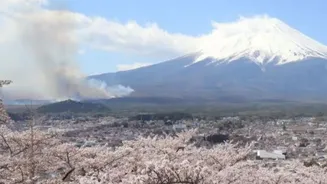
issues like severe traffic congestion, a disturbing rise in harassment directed at local residents, and widespread hygiene concerns, made the difficult choice to call off the popular sakura event starting in 2026. This decision stems from a dramatic surge in foreign tourists, amplified by a weak yen and the pervasive influence of social media, which has brought visitor numbers far beyond previous expectations. The situation becomes particularly acute during the spring cherry blossom season, when daily crowds exceeding 10,000 people descend upon the area, all eager to capture that perfect photograph of the majestic, snow-capped Mount Fuji framed by the iconic Chureito Pagoda. This immense popularity has unfortunately given rise to unwelcome behaviours and a pronounced sense of overtourism, which city officials state has severely impacted the daily routines and peace of the local inhabitants. The impact on residents has been profound, leading to difficult conversations about the true cost of such mass tourism.
Local Life Disrupted
The consequences of unchecked tourism have deeply affected the lives of those living near Mount Fuji. City officials have documented troubling incidents, including tourists carelessly discarding cigarette butts on private properties, individuals trespassing into residents' homes solely to use their toilets, and even instances of public defecation occurring in private gardens. These disruptive actions, coupled with general disturbances, have created an environment of considerable stress for the local community. The problem extends beyond simple nuisance; the sheer volume of pedestrian crowds congregating near local schools has become so overwhelming that it has, at times, forced children to step off pavements for safety. This alarming situation has understandably prompted significant concern among parents regarding their children's well-being and security. The Fujiyoshida city government acknowledged that many local residents had begun to question the ongoing feasibility of hosting the cherry blossom festival, given the considerable burden it placed upon them. This sentiment ultimately led officials to prioritize the community's welfare and quality of life over continued tourism promotion, marking a significant shift in local policy and priorities.
Shift in Priorities
In response to the mounting pressures and concerns from its residents, the Fujiyoshida city government has made a definitive statement about the future of the popular festival. The esteemed "Arakuraya Sengen Park Cherry Blossom Festival," a name long associated with springtime tourism in the region, will be systematically removed from official tourism websites and promotional materials. This strategic decision signifies a clear shift in focus, moving away from promoting tourism at the expense of local livability. While the festival itself is being discontinued, authorities acknowledge that tourists will still likely flock to the area during the sakura season. To mitigate potential issues and maintain a semblance of order, comprehensive safety measures are being implemented. These include the deployment of additional security guards throughout the affected areas and the provision of more portable restrooms to address sanitation concerns. The aim is to manage the expected influx of visitors more effectively while minimizing the negative impacts experienced by the local community in previous years.