Micronutrients: The Building Blocks
Micronutrients are absolutely vital for a child's developing immune system, playing a key role in both immediate and long-term defenses against illness.
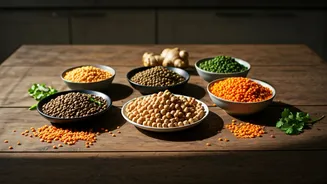
A deficiency in these tiny but mighty nutrients can lead to what's known as 'hidden hunger,' making children more susceptible to serious infections. For instance, Vitamin D, often called the 'sunshine vitamin,' is crucial for respiratory health and can help prevent an overactive immune response, sometimes called a 'cytokine storm.' While infants might receive prophylactic doses, older children with less sun exposure may need supplements. Vitamin C acts as a potent antioxidant, boosting the production of white blood cells and strengthening the skin's barrier function; excellent sources include citrus fruits, guavas, amla, and bell peppers. Zinc is indispensable for the growth and effective functioning of immune cells like neutrophils and Natural Killer (NK) cells, and can be found in nuts, seeds (particularly pumpkin seeds), legumes, and eggs. Vitamin A is essential for maintaining the integrity of the mucosal linings in our respiratory and digestive systems, forming a primary defense against invading pathogens. Good sources include carrots, sweet potatoes, and various leafy greens. Lastly, iron is critical for the maturation of immune cells, while selenium acts as an antioxidant, potentially playing a role in inhibiting viral mutations. Ensuring adequate intake of these micronutrients is a cornerstone of strengthening a child's immunity.
Gut Health: Probiotics & Prebiotics
A significant portion of our immune system resides in the gut, making the balance of gut bacteria paramount for children's overall health. Probiotics, which are beneficial live bacteria such as Lactobacillus and Bifidobacterium, are key players in this ecosystem. They can be consumed through foods like yogurt, curd, and other fermented products. By fostering a healthy gut environment, probiotics can help strengthen the intestinal barrier, potentially lessening the severity and duration of respiratory infections. Complementing probiotics are prebiotics, a type of indigestible fiber that acts as food for these beneficial bacteria. Including prebiotic-rich foods in a child's diet, such as garlic, onions, raw bananas, and oats, supports the growth and activity of probiotics. Together, probiotics and prebiotics work synergistically to create a robust gut microbiome, which is intrinsically linked to a well-functioning immune system. This symbiotic relationship is a foundational element in building a child's resilience against pathogens.
The 'Rainbow Plate' Approach
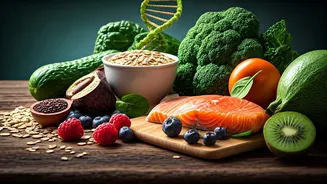
In the post-pandemic landscape, modern nutritional advice strongly advocates for a diet bursting with a variety of colorful fruits and vegetables. This 'rainbow' approach ensures a broad spectrum of essential antioxidants and phytonutrients vital for immune support. Aim to include foods from different color groups daily: Red/Purple foods, like berries and beets, are rich in anthocyanins; Yellow/Orange options, such as carrots and oranges, provide carotenoids and Vitamin C; and Green vegetables, like spinach and broccoli, offer chlorophyll and folate. Beyond fruits and vegetables, adequate protein intake is non-negotiable for the production of antibodies, which are the body's defense proteins against infection. Excellent protein sources include eggs, pulses, paneer, and lean meats. Conversely, it's often recommended to limit ultra-processed snacks and sugary drinks, as these can negatively affect the immune response and promote inflammation, thereby undermining the body's natural defenses.
Supporting Habits for Wellness
Beyond diet, several daily habits play a crucial role in bolstering a child's immune system and overall well-being. Staying well-hydrated with ample water intake is fundamental, as water facilitates numerous bodily functions, including the detoxification process and robust immune system operation. Sufficient sleep is equally important; children need adequate rest for physical repair and the proper development of a mature and effective immune system. Regular physical activity also contributes significantly, as exercise can enhance circulation, potentially improving the ability of immune cells to patrol the body and detect any signs of illness more efficiently. These lifestyle factors, when combined with a nutrient-rich diet and a healthy gut, create a powerful synergy that supports a child's long-term health and resilience against infections.