Ocean's Richness
Dive into the aquatic world for potent Vitamin D sources. Varieties of fatty fish like salmon, mackerel, sardines, and tuna are nutritional powerhouses,
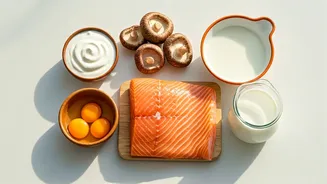
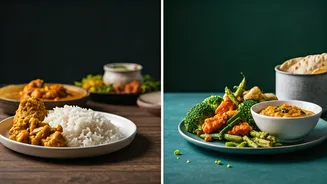
offering substantial amounts of this essential vitamin in just a single serving. Incorporating grilled salmon into your weekly meals or preparing a flavourful sardine curry can be a delightful way to meet your daily Vitamin D needs. These fish not only combat deficiency but also provide valuable omega-3 fatty acids, contributing to overall health. Making these seafood options a regular part of your diet is a proactive step towards better health and vitality, ensuring your body receives a consistent supply of this crucial nutrient.
The Humble Egg
Don't overlook the incredible versatility of eggs when seeking Vitamin D. The golden yolk of every egg is a natural repository of this sunshine vitamin. Whether you prefer them boiled, scrambled into an omelet, or incorporated into a hearty egg curry, including eggs in your meals can effectively help bridge the gap in your Vitamin D intake. For an even greater nutritional punch, consider opting for eggs from free-range or farm-raised chickens, as they are known to contain higher levels of Vitamin D compared to their conventionally raised counterparts. This simple addition to your diet offers a convenient and accessible way to boost your nutrient profile.
Mushroom Magic
For those following a plant-based lifestyle or simply looking for diverse food options, mushrooms present an excellent Vitamin D solution. Certain varieties, particularly those cultivated under ultraviolet light exposure, are potent sources of this vital nutrient. These fungi can be a delicious and healthy addition to a wide array of dishes. Toss them into vibrant stir-fries, enrich your soups with their earthy flavour, or add them to your favourite pasta recipes for an added nutritional boost. Their versatility makes it easy to incorporate them regularly into your meals, supporting both dietary preferences and health goals.
Fortified Dairy
Dairy products offer a convenient pathway to increased Vitamin D levels through fortification. Many common brands of cow’s milk, yogurts, and cheeses are deliberately enriched with this vitamin. Enjoying a glass of fortified milk or a bowl of yogurt can be a straightforward method to supplement your intake. This is particularly beneficial for children and individuals who may not regularly consume other rich sources like fish or eggs, ensuring a broader population can access adequate Vitamin D. Always check product labels to confirm the presence and amount of fortification for informed choices.
Plant-Based Alternatives
Navigating dietary restrictions or preferences is made easier with fortified plant-based milks. For individuals who are lactose intolerant or adhere to a vegan lifestyle, options like soy milk, almond milk, and oat milk frequently come fortified with Vitamin D. These alternatives are widely available in most markets and can be seamlessly integrated into your daily routine. Blend them into smoothies for a creamy texture, add a splash to your morning coffee, or pour them over your favourite breakfast cereal. Their adaptability ensures you don't have to compromise on nutrient intake, even with specific dietary needs.
Breakfast Boost
Kickstart your day with fortified breakfast cereals, a quick and easy method to boost your Vitamin D intake. Many popular cereal options are now enriched with essential nutrients, including Vitamin D, making them a smart choice for a nutritious morning meal. Pairing your cereal with milk, whether dairy or a fortified plant-based alternative, further enhances the nutritional value. This combination provides a satisfying and energizing start to your day. Remember to examine the packaging to confirm that your chosen cereal is indeed fortified, ensuring you're getting the intended health benefits.
Juice & Beyond
For a refreshing twist on increasing Vitamin D, consider fortified orange juice. Surprisingly, several brands now include added Vitamin D in their products, offering a delightful beverage option for those who might prefer not to consume dairy or other fortified drinks. This makes it an accessible and enjoyable way to supplement your intake, especially during warmer months or as part of a balanced breakfast. It’s a simple yet effective strategy to add this vital nutrient to your diet through a familiar and well-loved drink.
Concentrated Source
While perhaps less common in modern diets, cod liver oil stands out as one of the most concentrated sources of Vitamin D available. A single spoonful can supply more than the recommended daily intake of this vitamin, making it an exceptionally potent supplement. However, due to its high concentration, it's advisable to consume it in moderation. Historically valued for its health benefits, cod liver oil remains a powerful tool for those needing a significant boost in their Vitamin D levels, but it should be used judiciously as part of a balanced approach.
Cheesy Contributions
Certain varieties of cheese, such as Swiss and cheddar, naturally contain modest amounts of Vitamin D. While they may not be as rich in this vitamin as fatty fish or fortified products, incorporating them into your regular meals can still contribute positively to your overall intake. Enjoying cheese as a snack, on sandwiches, or melted into dishes adds flavour and provides a small but valuable dose of Vitamin D. When consumed as part of a varied diet, these dairy delights can play a supporting role in maintaining healthy levels of this essential nutrient.
Indian Dairy Delight
Within the Indian culinary landscape, paneer and other traditional dairy preparations can also be valuable sources of Vitamin D. Many of these products are either naturally fortified or can be fortified during preparation. Including paneer in your favourite curries, snacks, or side dishes not only offers a delicious way to consume protein but also contributes to your essential nutrient intake, including Vitamin D. This makes familiar Indian foods a convenient and culturally relevant option for enhancing your diet and supporting overall health.