Ayurvedic Skin Wisdom
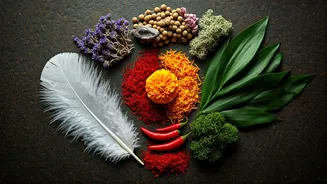
Ayurveda, the ancient Indian system of holistic healing, offers profound insights into skincare, emphasizing balance and natural ingredients. It categorizes
skin types based on doshas – Vata, Pitta, and Kapha – and recommends tailored routines and treatments for each. For instance, Vata-dominant skin, often dry and prone to wrinkles, benefits from nourishing oils like sesame or almond, combined with hydrating ingredients such as honey and milk. Pitta-dominant skin, typically sensitive and prone to redness or acne, thrives with cooling elements like rosewater, sandalwood, and aloe vera. Kapha-dominant skin, which tends to be oily and prone to congestion, requires invigorating ingredients like turmeric, multani mitti (Fuller's Earth), and herbal exfoliants. The Ayurvedic approach also stresses internal well-being, advocating for a balanced diet rich in fruits, vegetables, and whole grains, alongside adequate hydration and stress management, as these factors significantly impact skin health and appearance.
Kitchen Cabinet Wonders
Your kitchen pantry holds a treasure trove of natural ingredients perfect for homemade skincare remedies, especially beneficial for the Indian climate. Turmeric, a staple spice, is renowned for its anti-inflammatory and antiseptic properties, making it an excellent addition to face masks for combating acne and brightening skin tone. Besan (gram flour) acts as a gentle cleanser and exfoliant, effectively removing dead skin cells and excess oil without stripping the skin's natural moisture. Yogurt, rich in lactic acid, provides a mild exfoliation and moisturization, leaving the skin soft and supple. Honey, a natural humectant, draws moisture to the skin, keeping it hydrated and plump, while also possessing antibacterial qualities that aid in healing blemishes. Simple concoctions like a paste of besan, turmeric, and yogurt can address multiple concerns, from dullness to breakouts, offering a cost-effective and chemical-free path to healthier skin.
Hydration & Diet Focus
Maintaining optimal skin health in India, with its diverse climate, hinges significantly on internal hydration and a nutrient-rich diet. Consuming ample water throughout the day is crucial for flushing out toxins and ensuring skin cells remain plump and elastic, thereby reducing the appearance of fine lines and dryness. Incorporating fresh fruits and vegetables into your daily meals provides essential vitamins, minerals, and antioxidants that combat free radical damage and promote cell regeneration. For instance, fruits rich in Vitamin C, like amla (Indian gooseberry) and citrus fruits, are vital for collagen production, which maintains skin firmness. Leafy greens offer antioxidants and iron, supporting overall skin vitality. A diet that includes healthy fats, such as those found in nuts and seeds, also contributes to skin barrier function and suppleness. Avoiding processed foods, excessive sugar, and unhealthy fats can dramatically improve skin clarity and reduce inflammation.
Lifestyle & Environment
Beyond topical treatments and diet, lifestyle choices play a pivotal role in achieving and maintaining radiant skin, particularly within the Indian context. Protecting your skin from the harsh Indian sun is paramount; daily application of sunscreen with adequate SPF is essential to prevent sun damage, premature aging, and hyperpigmentation. Opt for broad-spectrum sunscreens that shield against both UVA and UVB rays. Managing stress levels is also critical, as chronic stress can trigger hormonal imbalances leading to breakouts and dullness. Incorporating stress-relief techniques like yoga, meditation, or simply spending time in nature can have a visible positive impact on your complexion. Ensuring adequate sleep, typically 7-8 hours per night, allows the skin to repair and regenerate itself, leading to a more rested and vibrant appearance. Regular cleansing to remove pollutants and makeup, especially after being exposed to the urban Indian environment, further supports skin health and prevents congestion.