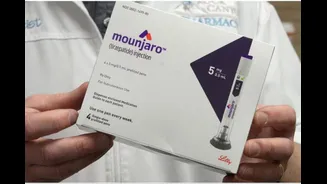
The Price Tag Unveiled
The discussion surrounding potent weight-loss medications, notably Mounjaro, was brought to the forefront by actress Soha Ali Khan, who sought to demystify
their usage and accessibility. Comedian Aishwarya Mohanraj's candid sharing about her own experience with Mounjaro, detailing a cost of approximately Rs 4,000 per injection, sparked a broader conversation. Khan, emphasizing the need for informed dialogue, highlighted that these treatments are not merely cosmetic but significant medical interventions. Experts contributing to this dialogue underscored that the financial commitment is substantial, with monthly costs for Mounjaro ranging from Rs 10,000 for lower dosages, now potentially as low as Rs 10,000, up to Rs 22,000 for higher doses. This pricing structure, while a considerable expense, reflects the proprietary nature of these patented drugs and the ongoing research and development investment by pharmaceutical companies. It's anticipated that as more manufacturers enter the market and competition increases, these prices may eventually see a reduction, making them more accessible over time.
Who Qualifies for Treatment
Beyond the considerable financial outlay, a critical aspect of utilizing advanced weight-loss medications like Mounjaro and similar GLP-1 agonists is determining who is actually a suitable candidate. Experts, including endocrinologists and nutritionists, stress that these drugs are not intended for casual weight management or for individuals solely seeking a quick pre-event slim-down. The primary beneficiaries are those with significant health challenges where weight reduction is medically imperative. This includes individuals grappling with conditions such as diabetes, pre-diabetes, or non-alcoholic fatty liver disease, where excess weight exacerbates these existing health issues. A body mass index (BMI) of 27 coupled with co-existing medical conditions can qualify a person, as can a BMI exceeding 30 even without immediate comorbidities, as obesity itself places undue stress on the body. For those with extreme obesity, a BMI soaring above 40 or 50, while these medications can still be effective, surgical interventions like bariatric surgery are often considered alongside or as an alternative due to the scale of weight to be lost.
When to Avoid These Drugs
Given the potent nature of these weight-loss medications, understanding who should unequivocally avoid them is as crucial as identifying eligible candidates. These drugs, while beneficial for many, carry potential risks and side effects that can be serious for certain individuals. Health professionals strongly advise against their use for those with a personal or family history of specific medical conditions. This includes individuals who have a personal history of pancreatitis, a condition involving inflammation of the pancreas, which can be significantly aggravated. Furthermore, anyone with a history of thyroid cancer, or those prone to gastrointestinal issues, should refrain from these treatments due to potential complications. Additionally, individuals experiencing active eye diseases, particularly those linked to diabetes, must also exercise extreme caution and likely avoid these medications altogether. Consulting with a qualified medical expert is paramount before commencing any weight-loss drug regimen to ensure a thorough understanding of personal health impacts, both medically and financially.