Understanding Aurora Potential
The enchanting dance of the Northern Lights, or aurora borealis, is a spectacular natural phenomenon driven by solar activity. In 2026, keen observers
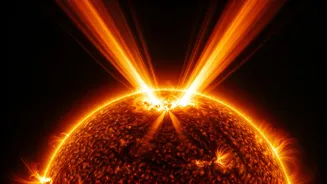
will have numerous opportunities to witness this celestial ballet, with forecasts indicating periods of elevated geomagnetic conditions. These conditions are often triggered by Coronal Mass Ejections (CMEs) – massive bursts of plasma and magnetic field from the Sun – or fast solar wind streams emanating from coronal holes. When these solar phenomena interact with Earth's magnetosphere, they can create geomagnetic storms, ranging in intensity from minor (G1) to severe (G4 and beyond). Higher intensity storms typically allow the aurora to be seen at lower latitudes, sometimes even extending to regions not typically associated with aurora sightings. Conversely, during periods of lower solar activity or when the solar wind is less intense, the aurora may be confined to higher, polar latitudes. Staying informed about these space weather events is crucial for planning successful aurora viewing expeditions, as predictions often highlight potential viewing windows days in advance, allowing enthusiasts to prepare for potential displays.
Key Aurora Viewing Windows
Throughout 2026, several periods stood out for their potential to deliver impressive aurora displays. For instance, mid-March often presented elevated conditions, with specific dates like March 10th, 12th, and 13th showing promise for enhanced aurora activity. Similarly, late November saw consistent forecasts for possible Northern Lights, with dates like November 26th and 27th frequently mentioned due to lingering fast solar winds. December also offered potential, particularly around the 3rd and 9th, with incoming CMEs hinting at geomagnetic storms. January frequently featured aurora possibilities, especially following severe storms like the G4 event on the 20th, and with forecasts suggesting activity picking up around the 8th and later in the month. April showed good prospects for aurora viewing, with specific dates like the 15th and 16th highlighted for active geomagnetic conditions. These recurring patterns underscore the importance of consistent monitoring of space weather forecasts, as even seemingly quiet periods can be punctuated by sudden solar events that dramatically increase aurora visibility.
Factors Influencing Visibility
Several factors determine whether you'll witness the aurora, beyond just geomagnetic activity. The time of year plays a role, with longer nights in winter offering more darkness for viewing. However, even during seasons with shorter nights, significant solar events can still produce visible displays. Crucially, clear skies are paramount; cloud cover can completely obscure the aurora, regardless of how active the space weather is. Light pollution is another significant detractor, so venturing away from urban areas to darker locations greatly enhances your chances of seeing the lights. The intensity of the geomagnetic storm is also a key indicator – stronger storms (G2, G3, G4) increase the likelihood of the aurora being visible at lower latitudes. For example, announcements of strong geomagnetic storms often suggested visibility as far south as Illinois and Oregon, or even New York. Therefore, combining knowledge of solar activity forecasts with an understanding of local weather patterns and observing conditions is essential for a successful aurora hunt.
Beyond the Aurora: Other Celestial Wonders
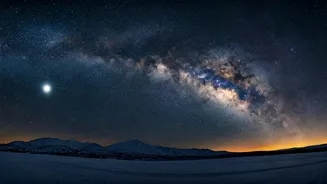
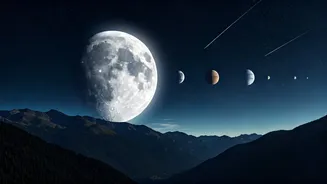
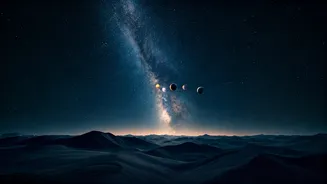
While the aurora often takes center stage, 2026 also presented other compelling celestial events for skywatchers. The Eta Aquarid meteor shower, typically peaking in early May, offered a chance to witness shooting stars streaking across the night sky. Furthermore, the New Moon in January provided ideal, dark conditions for observing planets like Jupiter and Saturn, as well as the dazzling Winter Milky Way. The source material also mentioned various 'skywatching events' and astronomical discoveries in 2025 and 2026, alongside full moon calendars, indicating a year filled with opportunities for stargazing enthusiasts. These events, from meteor showers to planetary alignments, often require specific timing and knowledge of celestial mechanics, complementing the dynamic nature of aurora forecasting and providing a diverse range of cosmic spectacles to explore throughout the year.