Revolutionary Culinary Shift
Before the dramatic events of 1789, Parisian society’s culinary landscape was rigidly stratified. The opulent kitchens of kings, nobles, and the wealthy
elite were the exclusive domain for meticulously crafted, elaborate meals, served by highly skilled chefs. For the common populace, sustenance typically consisted of simple stews, basic bread, and whatever meager ingredients they could afford. The very notion of perusing a menu or partaking in a refined public dining setting was an alien concept for the vast majority of citizens. However, the winds of change, heralded by the French Revolution, would irrevocably alter this order. As the nation convulsed and the guillotine tragically claimed many aristocrats, their personal chefs found themselves suddenly without employment. The patrons they once served were either deceased, imprisoned, or had fled into exile, leaving a generation of master culinarians without their accustomed kitchens and a sense of purpose.
New Beginnings Emerge
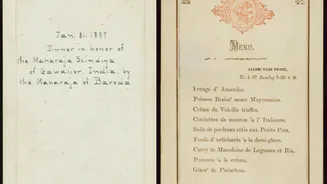
Concurrently with the revolution's societal upheaval, the nascent French government enacted a significant policy change by dismantling the archaic guild system. This abolition of restrictive trade regulations meant that any individual was now legally permitted to establish and operate a food-related business. Paris, in essence, became a fertile ground for culinary innovation and entrepreneurial spirit. The formerly displaced chefs, armed with their considerable expertise, astutely recognized this unprecedented opportunity. They began to open public eating establishments, christening them 'restaurants'. This nomenclature was derived from the nourishing broths, known as 'restoratives,' which they offered to help revive and invigorate the tired citizens of Paris. These establishments represented a marked departure from the traditional taverns, which primarily offered simple, pre-determined meals and drinks. Restaurants, for the first time, empowered patrons with the ability to select their dishes individually from a list. This revolutionary concept of ordering à la carte fundamentally transformed the act of dining out into a personalized and customizable experience, laying the groundwork for modern restaurant culture.
Democratizing Fine Dining
Among the vanguard of this culinary transformation was Chef Antoine Beauvilliers, who established 'La Grande Taverne de Londres.' This establishment became a benchmark, encapsulating all the elements we now associate with the quintessential fine dining experience. It boasted elegant interiors, impeccable and attentive service, a meticulously curated wine cellar, and a sophisticated culinary operation. Beauvilliers essentially recreated an environment that was once exclusively the preserve of aristocrats, but he made it accessible to any individual who possessed the means to partake in such an experience. This development transcended mere business innovation; it signified a profound democratization of food and dining. The ability to savor gourmet meals was no longer a privilege reserved for the elite few, and the act of dining out evolved into both a social pleasure and a significant cultural activity.
Explosion of Eateries
By the dawn of the 19th century, Paris had undergone a truly astonishing metamorphosis, evolving from a city with only a handful of taverns to an astonishing landscape boasting over three thousand restaurants. This rapid proliferation was fueled by a potent confluence of factors: a violent political revolution that reshaped society, a surplus of highly skilled chefs suddenly available due to the demise of the aristocracy, and the burgeoning appetite of an increasingly urbanized and food-appreciative population. These elements collectively provided the foundational blueprint for the global restaurant industry as we understand it today. Whether one finds themselves in a lavish Michelin-starred dining room or enjoying a humble meal at a local neighborhood café, the experience is a direct descendant of this culinary tradition, forged in the crucible of revolution and perfected on the streets of Paris.