Cosmic Beginnings Revealed
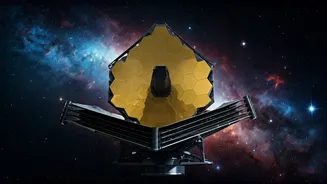
The James Webb Space Telescope (JWST) is revolutionizing our understanding of the early universe, particularly the formation of the very first supermassive
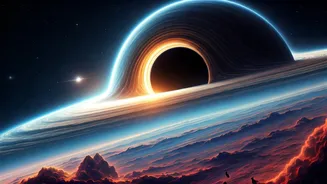
black holes. These colossal entities, often found at the centers of galaxies, are now believed to have originated much earlier and through different mechanisms than previously theorized. Webb's advanced infrared capabilities allow it to peer through cosmic dust and gas, detecting light from these nascent black holes when the universe was just a fraction of its current age. This groundbreaking data suggests that these early black holes may have grown much more rapidly, potentially by accreting vast amounts of matter directly from their surroundings rather than relying solely on mergers with smaller black holes. This new perspective challenges existing cosmological models and offers a fresh narrative for the seeding of galactic evolution and the structure of the cosmos as we know it, pushing the boundaries of astrophysics.
Earth's Magnetic Dance
Scientists have recently uncovered a surprising and dynamic behavior within Earth's magnetic field, an invisible shield protecting us from harmful solar radiation. This discovery points towards a more complex and fluid geodynamo at the planet's core than previously understood. Evidence suggests that shifts and fluctuations in this magnetic field might not be gradual but could occur in more unpredictable, episodic bursts. Understanding these 'episodic-squishy lid' dynamics is crucial, not only for comprehending our planet's internal processes but also for guiding the search for habitable worlds beyond Earth. Such findings could inform the search for exoplanets with similarly robust magnetic fields, increasing their potential to harbor life by safeguarding their atmospheres.
Celestial Encounters and Exploration
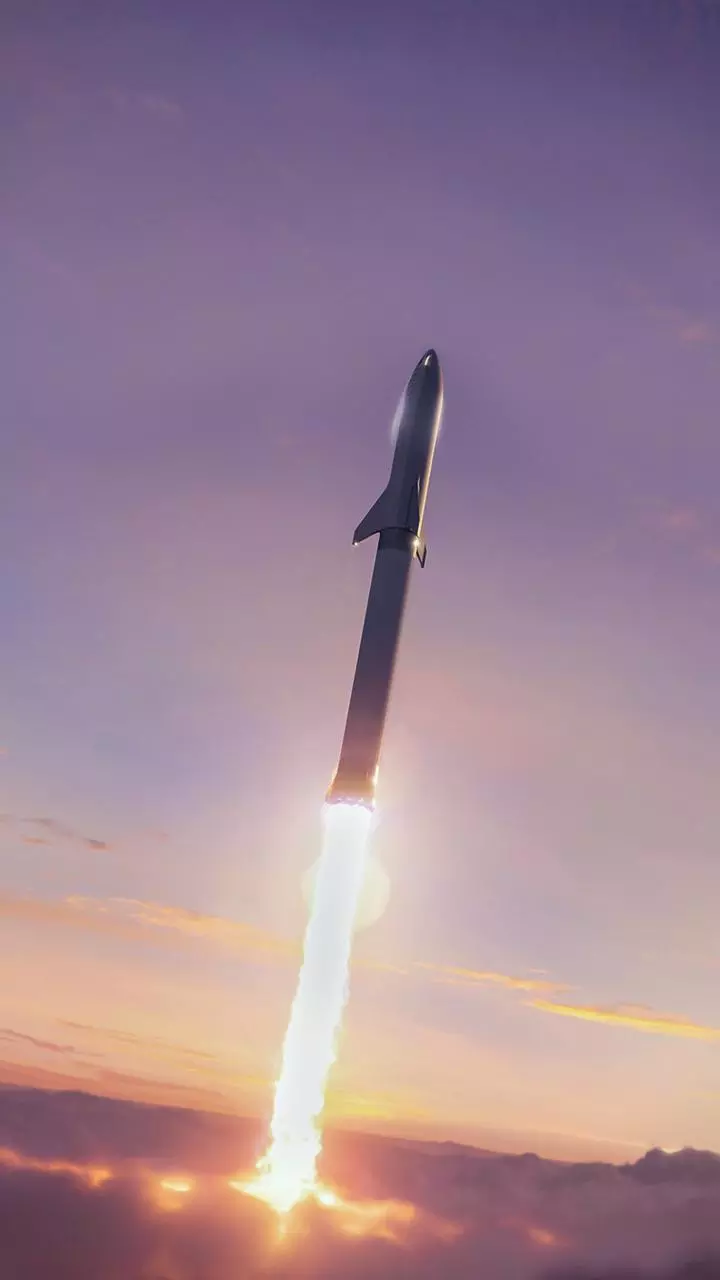
The realm of space exploration continues to buzz with activity and significant discoveries. SpaceX's upcoming astronaut launch for NASA, scheduled for February 11, has received clearance from the FAA for its Falcon 9 rocket to fly again, marking a crucial step forward after a period of review. Meanwhile, observations from space highlight ongoing environmental changes, such as a 40-year-old iceberg melting and turning blue, captured by satellite imagery. Further afield, the icy moon Europa of Jupiter shows potential signs of sinking ice, a process that might be supplying its subsurface ocean with essential ingredients for life. The JWST has also detected precursors to the 'building blocks of life' in a nearby galaxy, hinting at the widespread presence of the necessary components for life's emergence throughout the cosmos. Additionally, evidence from Mars suggests a past that was significantly wetter and warmer, with bleached rocks offering new clues, though their origin remains a puzzle.
Martian Echoes and Vulnerable Systems
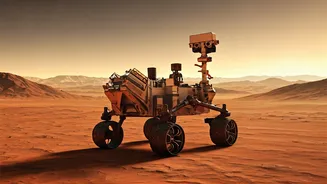
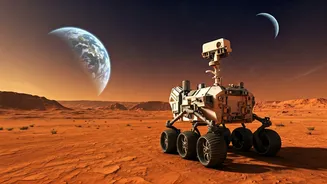
Our understanding of Mars is deepening, with recent findings suggesting the Red Planet's geological history was much more dynamic and water-rich than previously thought. The discovery of bleached Martian rocks is providing fresh evidence of a past climate that supported liquid water, yet the exact source of this transformation remains an intriguing scientific question. Beyond Mars, the broader implications of Earth's climate and geological processes are being studied. For instance, how Earth's orbital variations might influence the location of oil reserves beneath the surface is a subject of ongoing research, highlighting unexpected connections between celestial mechanics and terrestrial resources. Simultaneously, a growing concern is the increasing vulnerability of critical infrastructure, both on Earth and in orbit, from space debris to cyber threats, prompting experts to warn about our profound dependence on these systems and the potential consequences of their failure.