The Mysterious Swirl
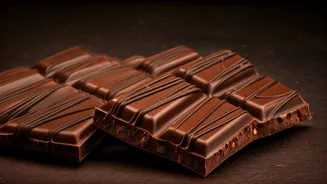
Delicate swirls adorning hand-dipped chocolates often spark curiosity, leading many to question if they hold a secret code to the filling within. While
visually appealing, the meaning behind these patterns is not a universal language. Historically, some chocolatiers did employ distinctive markings as a way to differentiate between various fillings like caramel, cream, or fruit centres, especially within assortments. This practice aimed to provide a visual key for consumers and staff, eliminating the need to guess or damage the chocolate to discover its contents. However, it's crucial to understand that this was never a standardized industry-wide convention. Each chocolatier or brand developed its own unique system, meaning a swirl's significance could vary dramatically from one maker to another. The idea of 'squiggle codes' was indeed discussed in confectionery circles, but they never solidified into a formal, globally recognized method of identification. As chocolate production evolved with increased mechanization and improved packaging, the reliance on these intricate markings diminished, with printed flavour guides on boxes becoming the predominant method for conveying information about a chocolate's interior.
Decoding Filled Chocolates
To truly appreciate the role of these surface markings, it's beneficial to understand the construction of many popular filled chocolates. Often referred to as pralines in the confectionery world, these treats typically consist of a finely tempered outer shell crafted from chocolate. Encased within this shell is a soft, flavorful centre, which can vary widely in its composition. Common fillings include rich ganache, smooth caramel, creamy custards, decadent nut pastes, or even a hint of liqueur. This style of filled chocolate has deep roots in Belgian and French chocolate-making traditions, where both aesthetic presentation and a diverse array of flavors are highly prized. The artistry involved in creating both the outer shell and the unique filling is a hallmark of these esteemed chocolate cultures, contributing to the overall sensory experience that consumers enjoy.
Indian Chocolate's Unique Approach
India's burgeoning artisan chocolate scene has cultivated a distinct identity over the past decade, diverging from traditional swirl-coding methods. Contemporary Indian craft chocolatiers largely prioritize bean-to-bar production, emphasizing single-origin cacao beans and innovative flavour profiles inspired by local ingredients and tastes. Rather than relying on surface patterns to indicate fillings, these artisans typically opt for clear and direct communication with their customers. This includes meticulously labelled boxes, informative tasting cards accompanying assortments, detailed descriptions available in-store, and comprehensive flavour guides on their websites. There is currently no widespread evidence to suggest that Indian chocolate makers widely adopt swirl-coding as a standard system for identifying their products. The focus within the Indian artisan chocolate culture is predominantly on the origin and quality of the cacao, the exploration of new flavour fusions, and the overall narrative of the chocolate's journey, rather than on decorative codes applied to the chocolate's exterior.
Modern Marks and Reliable Identification
In contemporary chocolate crafting, any patterns you observe on the surface of chocolates generally fall into a few distinct categories. Firstly, they might be specific flavour markers employed by a particular brand within a single assortment, intended to guide consumers through that brand's unique offerings. Secondly, these marks can simply be decorative finishing touches, added by hand to enhance the visual appeal of the chocolate as a piece of edible art. Lastly, natural patterns can emerge during the process of dipping or drizzling the chocolate, creating organic and often beautiful textures. Given the absence of a universal system for marking chocolates, the most dependable method for ascertaining what lies within remains consistent: consult the packaging, refer to the provided flavour guide, or directly inquire with the chocolatier. While some makers have historically used surface markings to signal fillings, this practice is far from a global standard and is not widely observed, particularly in regions like India. Therefore, swirls on chocolates should be viewed as potentially meaningful in specific artisan contexts, but equally, they can simply serve as an aesthetic flourish.