Our Place in Space
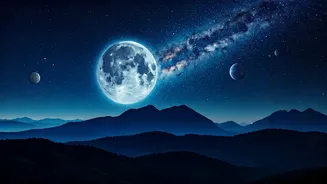
Humanity has long gazed at the night sky, pondering our place within the vast expanse of the universe. Astronomy, the scientific study of celestial objects
and phenomena, allows us to explore this cosmic tapestry. From our own solar system's dazzling planets and intriguing moons to distant galaxies and the enigmatic nature of dark matter and energy, our understanding of the universe is constantly expanding. Telescopes, both on Earth and in orbit, provide us with unprecedented views, revealing the birth and death of stars, the formation of planetary systems, and the sheer scale of cosmic structures. This ongoing exploration not only satisfies our innate curiosity but also provides crucial insights into the fundamental laws governing reality, pushing the boundaries of scientific knowledge and inspiring future generations to reach for the stars. The quest to comprehend the cosmos is a testament to human ingenuity and our enduring drive to explore the unknown.
The Thrill of Space Travel
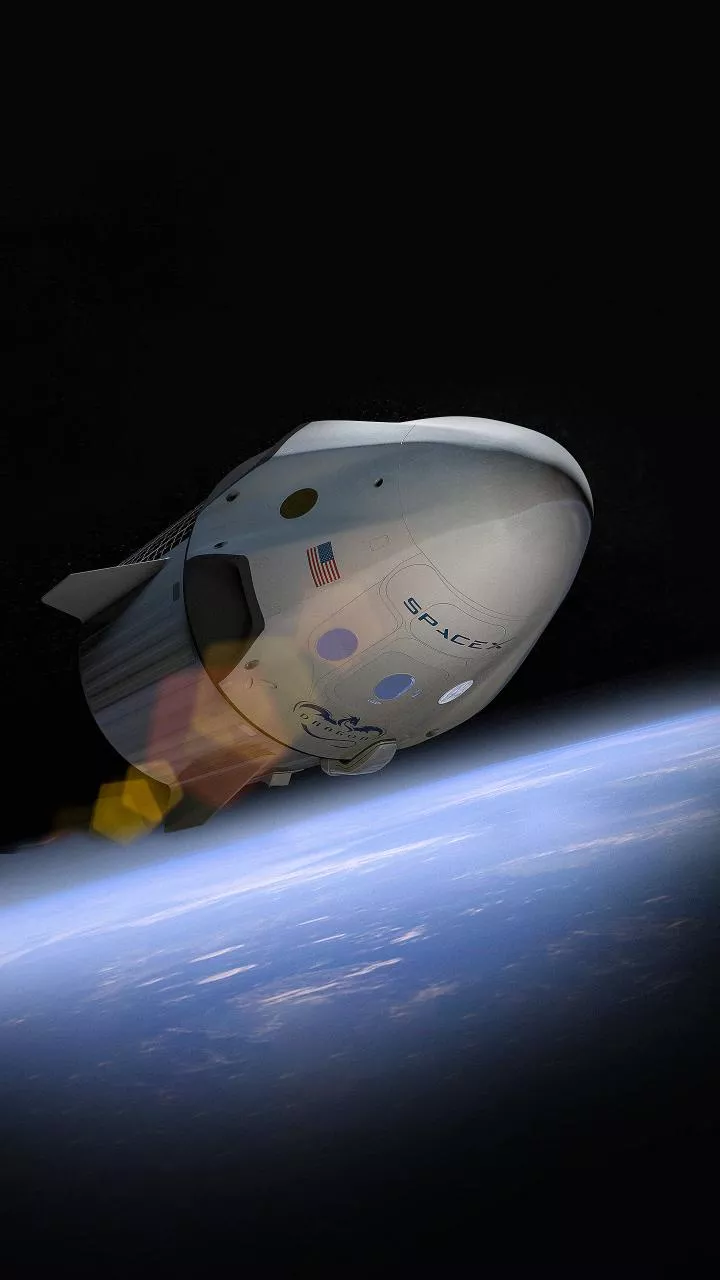
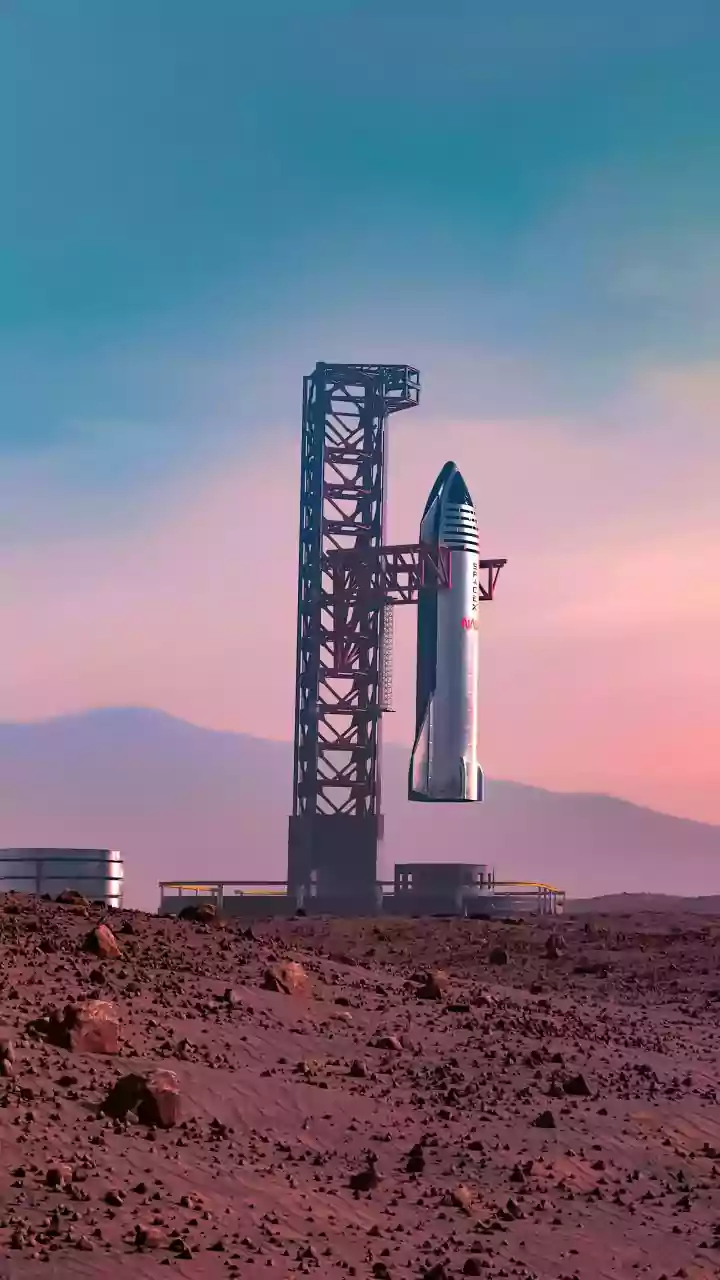
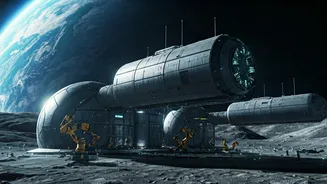
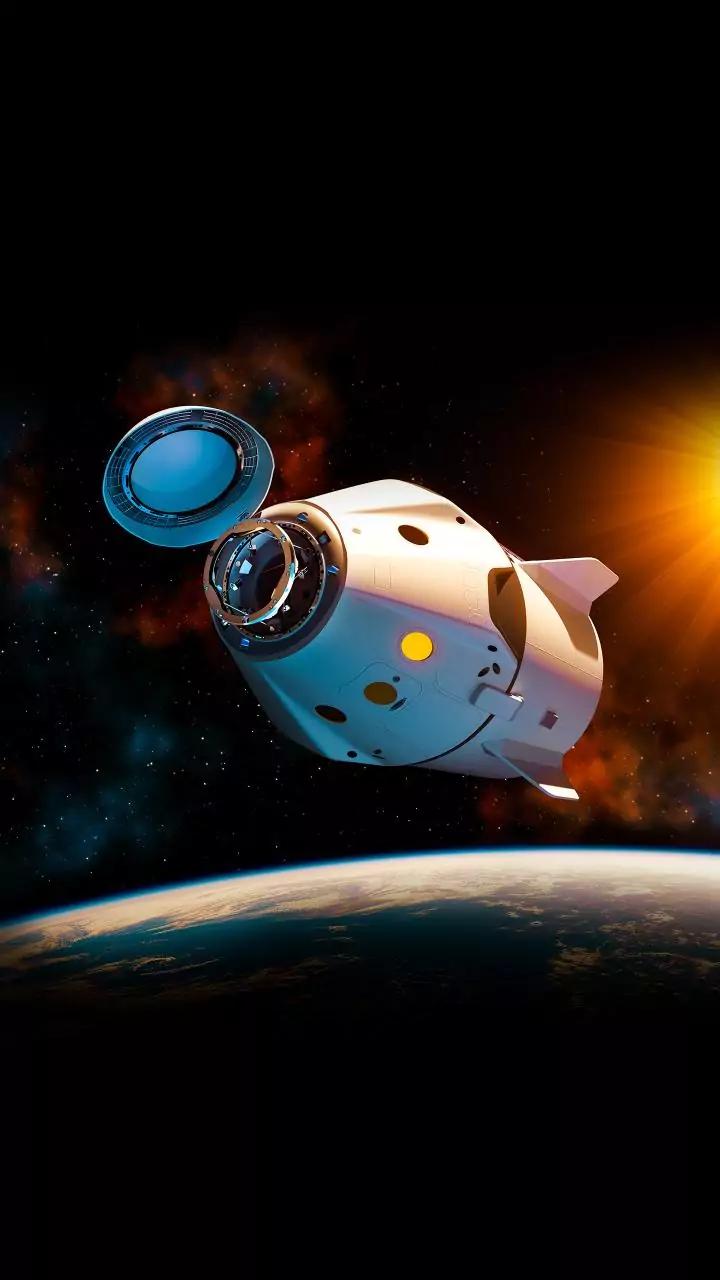
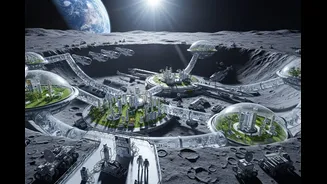
The dream of venturing beyond Earth's atmosphere has captivated humankind for centuries, transitioning from science fiction to tangible reality. Space travel, once a concept confined to the imagination, is now an evolving frontier with growing opportunities for exploration and even tourism. Missions to the International Space Station have paved the way for longer durations in orbit, while advancements in rocket technology and spacecraft design are making voyages to the Moon and Mars increasingly feasible. Future endeavors promise even more ambitious journeys, potentially leading to the establishment of permanent lunar bases and expeditions to the outer reaches of our solar system. The challenges are immense, from overcoming the harsh vacuum of space and the physiological effects on astronauts to the immense logistical and financial requirements. Nevertheless, the pursuit of space travel continues to drive innovation, foster international cooperation, and offer a unique perspective on our home planet, Earth, from the silent majesty of the void.
Celestial Wonders Unveiled
The universe is a breathtaking spectacle, teeming with celestial wonders that continue to inspire awe and scientific inquiry. Our solar system alone hosts a diverse array of worlds, from the fiery surface of the Sun and the swirling storms of Jupiter to the majestic rings of Saturn and the icy plains of Pluto. Beyond our solar neighborhood, the cosmos reveals nebulae, vibrant clouds of gas and dust where stars are born, and supernovae, the explosive deaths of stars that scatter heavy elements across the galaxy. Galaxies, like our own Milky Way, are colossal collections of billions of stars, gas, and dust, many of which host their own planetary systems. Exoplanets, planets orbiting stars other than our Sun, are being discovered in ever-increasing numbers, some residing in habitable zones where liquid water could exist, fueling hopes of finding life elsewhere. These celestial marvels not only enrich our understanding of cosmic evolution but also serve as constant reminders of the universe's vastness and the ongoing quest for discovery.