A Breath of Space
Mongolia offers a stark contrast to the increasingly crowded tourist hotspots found elsewhere in Central Asia. While destinations like Uzbekistan's Silk
Road cities are undeniably beautiful, they often feel overwhelmed by tour groups. Similarly, popular trekking routes in Kyrgyzstan and Tajikistan can become packed during peak seasons, and Kazakhstan's modern urban centers, though impressive, may lack the immersive feel some travelers crave. Mongolia, however, provides an antidote to this over-tourism. With one of the lowest population densities globally, a staggering 3.5 million people spread across 1.56 million square kilometers, vast expanses of untouched wilderness are the norm. Imagine driving for hours without seeing another soul, traversing diverse terrains from rolling steppes and dramatic deserts to rugged mountains and frozen lakes, all within a single journey. This sense of immense space and profound silence is a luxury for those yearning for an escape from the bustling, familiar routes, presenting Central Asia as it might have been before the masses arrived.
Landscapes Lead the Way
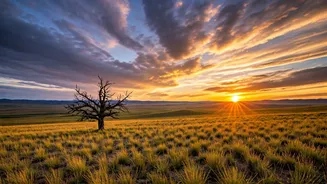
Unlike its neighbors, Mongolia's primary allure lies not in its cities but in its breathtaking natural environment. The defining features of most Mongolian adventures are its sweeping, undulating steppes, the profound, awe-inspiring emptiness of the Gobi Desert, the majestic Altai Mountains, and the ever-shifting hues of its sprawling grasslands. Travelers frequently recount journeys where days pass without encountering another tourist vehicle, reinforcing an exceptional sense of isolation that has become a highly sought-after commodity in our increasingly populated world. This emphasis on the land means itineraries are often structured around traversing these magnificent, wild territories, offering an immersive experience of nature's grandeur that is rarely interrupted by the presence of other travelers, making it feel like a truly private expedition.
Living Nomadic Heritage
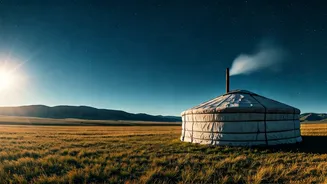
Mongolia's most significant distinction is that its nomadic culture isn't a performance for visitors; it's a vibrant, lived reality. This ancient pastoral way of life is recognized by UNESCO and continues to be practiced by approximately a quarter of the nation's population. Travelers have the unique opportunity to stay in traditional gers (yurts), gallop across vast plains on horseback, actively participate in herding livestock, and share meals with families who have upheld these traditions for generations. In an era where authenticity is increasingly rare, this genuine immersion into a centuries-old lifestyle feels exceptionally precious and deeply rewarding. Beyond its cultural significance, the aesthetic of nomadic life, with its picturesque landscapes and traditional dwellings, also makes for visually stunning content, appealing to those who appreciate both substance and social media-worthy moments.
Distinct Cultural Tapestry
While geographically positioned within Central Asia, Mongolia's cultural identity possesses a distinct character that sets it apart. Its spiritual landscape is predominantly shaped by Buddhism and ancient shamanistic beliefs, diverging significantly from the Islamic heritage prevalent in many neighboring countries. The profound historical resonance of Genghis Khan, the vast Mongol Empire, and the remnants of ancient capitals like Karakoram imbue the country with a historical narrative that differs markedly from the well-trodden Silk Road chronicles found further west. This unique cultural blend offers a compelling proposition for travelers seeking novel experiences without venturing too far from the region, providing a refreshing alternative that feels both exotic and accessible, blending historical gravitas with a unique spiritual foundation.
Affordable Adventures Unfold
The notion that Mongolia offers considerable value for money, as suggested in online discussions, remains accurate. Compared to heavily touristed destinations in Southeast Asia, Mongolia presents a more budget-friendly option. While Ulaanbaatar, the capital, naturally has higher costs, overall expenses for accommodation, transportation, and food often fall below those of popular hubs like Thailand or Vietnam. Traveling outside the capital dramatically reduces expenditures, making it an attractive proposition for extended stays, photographers, slow travelers, and digital nomads prepared to embrace local conditions. The Mongolian Tugrik (MNT) is a low-value currency, with approximately 39.40 to 39.60 MNT equaling 1 Indian Rupee, further enhancing its affordability for international visitors and making every dollar stretch further.
Enhanced Connectivity Now
Historically, the primary hurdle for tourism in Mongolia has been its infrastructure. Roads outside major routes can be challenging, domestic flights limited, and facilities in remote areas quite basic. However, this situation is steadily improving. The government is actively investing in upgrading road networks, expanding air travel routes within the country, and enhancing visitor amenities at key attractions. For travelers arriving from India, convenient one-stop flights are available from major metropolitan cities like Mumbai, Delhi, and Bengaluru. While accommodations, restaurants, and transport services in Ulaanbaatar have seen noticeable improvements, ongoing tourism training programs are also addressing service consistency in rural regions. Crucially, this development is happening without diluting Mongolia's essential character; the country retains its raw, untamed feel, becoming just more accessible.
Digital Spotlight Ignites
The widespread influence of social media has played a pivotal role in bringing Mongolia into the global travel spotlight. Photographers, influencers, and travel writers have adeptly showcased the country's stunning landscapes, vibrant festivals, and unique nomadic lifestyle through captivating imagery and compelling narratives. This digital dissemination has generated a considerable amount of curiosity and interest, translating directly into a surge in bookings. What traditional marketing campaigns struggled to achieve, visually driven platforms have accomplished organically, making Mongolia a more tangible and desirable destination for a broader audience, sparking wanderlust through authentic visual storytelling and shared experiences.
Global Interest Grows
Recent data indicates a significant increase in international visitors to Mongolia, highlighting its evolving status as a sought-after destination. In 2024, major source markets included China, Russia, and South Korea, followed by Japan and the United States. While geographic proximity certainly contributes to these numbers, the growing interest from long-haul travelers suggests that Mongolia is no longer perceived as an overly difficult or remote location to reach. This broadening appeal signifies a shift in how the country is viewed on the global tourism map, moving from a niche interest to a recognized destination capable of attracting diverse international demographics. The increasing number of visitors, even from distant countries, underscores its growing reputation and accessibility.