Origins of Anpodu
The genesis of 'Anpodu Kanmani' is deeply rooted in the agrarian traditions and community spirit of South India, particularly in the fertile regions where
rice and lentils form the staple diet. Historically, this dish emerged as a humble yet nourishing meal, often prepared during festivals and family gatherings, symbolizing togetherness and abundance. Its name, translating roughly to 'love and affection,' reflects the care and warmth infused into its preparation. The foundational ingredients, like dal (lentils) and rice, were readily available, making it an accessible and economical dish for many households. Over time, regional variations began to appear, with different spices and vegetables being incorporated, each adding a unique local flavor while preserving the dish's core identity. The ancestral kitchens would have seen generations perfecting the ratios and cooking techniques, passing down the art of balancing flavors and textures, establishing 'Anpodu Kanmani' as a beloved staple across various communities.
Crafting the Dish
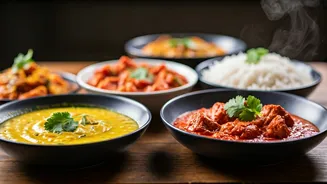
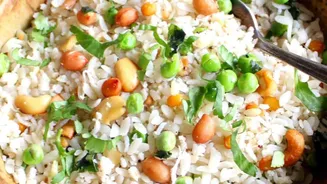
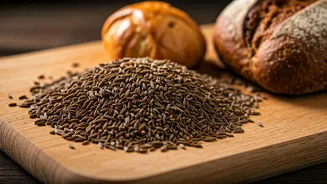
The creation of 'Anpodu Kanmani' is a meticulous yet rewarding process that requires attention to detail to achieve its signature taste and texture. The primary components are typically rice and a variety of lentils, such as toor dal or moong dal, which are thoroughly washed and then cooked until they reach a soft, mushy consistency. This forms the creamy base of the dish. A crucial step involves tempering, known as 'tadka' or 'thalipu,' where whole spices like mustard seeds, cumin seeds, fenugreek seeds, and dried red chilies are fried in ghee or oil until fragrant. This is then infused into the cooked dal and rice mixture, along with aromatic ingredients like curry leaves, asafoetida, and finely chopped ginger and garlic. Freshly ground turmeric adds a vibrant color and earthy notes. Some variations might include finely chopped onions or tomatoes sautéed before being added to the pot. The final seasoning often involves a touch of tamarind pulp for a subtle tang and freshly ground black pepper for a hint of warmth, with cilantro leaves sprinkled as a garnish for added freshness.
Cultural Significance
'Anpodu Kanmani' transcends its role as mere sustenance; it is a culinary emblem of love, hospitality, and shared heritage in South Indian culture. This dish is frequently prepared to welcome guests, signifying that they are being offered the very best of the home's provisions, prepared with 'anpodu' – love. Its presence on the dining table during festivals and auspicious occasions further underscores its importance, symbolizing prosperity and well-being. The act of sharing a bowl of 'Anpodu Kanmani' often brings families together, fostering conversation and strengthening bonds. In many households, the recipe is a cherished heirloom, passed down through mothers and grandmothers, each adding their personal touch, making every preparation a unique expression of family tradition. The dish's comforting nature and wholesome ingredients also make it a popular choice for new mothers and the elderly, highlighting its nourishing and nurturing qualities.