Breakfast Imbalance
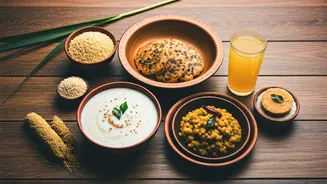
A significant number of individuals begin their day with meals predominantly composed of carbohydrates, such as poha, upma, or dosa. While these dishes
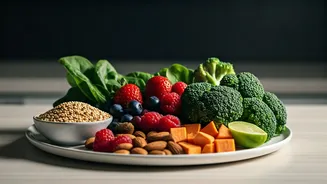
can provide immediate fullness, their lack of protein means satiety is short-lived. To combat this, integrating protein sources like eggs, paneer, sprouts, or even Greek yogurt into your breakfast is crucial. This addition not only extends feelings of fullness but also plays a vital role in muscle development and repair, contributing to overall metabolic health and a more toned physique.
Carb Overload Trap
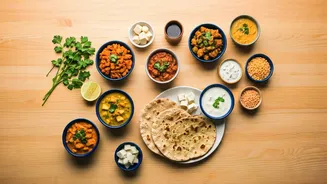
A prevalent issue in typical Indian meal plating involves an excessive consumption of grains, often seen as 5 rotis accompanied by meager portions of vegetables and very little protein. Experts advocate for a reversed plate composition: aim for just one to two rotis or a controlled portion of rice, a generous serving of diverse vegetables, and a substantial source of protein. This protein can be derived from legumes like dal, rajma, or chole, or from non-vegetarian options such as chicken, fish, or eggs, ensuring a more balanced and nutrient-dense meal that supports sustained energy and muscle maintenance.
Cardio's Limitations
While cardiovascular exercise, like walking, is undeniably beneficial for health, an over-reliance on it can lead to unmet fitness aspirations, particularly for those seeking a toned physique. Building muscle mass through strength training is a critical component that is often overlooked. Muscle tissue is metabolically active, meaning it burns more calories at rest than fat tissue. Therefore, incorporating resistance training alongside cardio can significantly enhance metabolism, improve body composition, and contribute to the desired toned appearance that cardio alone might not achieve.
Misconceptions About Fats
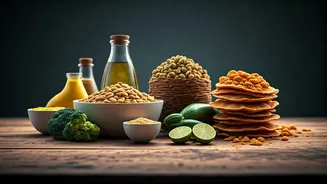
There's a widespread apprehension towards dietary fats, leading many to unnecessarily restrict them, which can be counterproductive. Not all fats are detrimental; in fact, healthy fats are essential for numerous bodily functions, including hormone production and maintaining satiety. Sources like nuts, seeds, and appropriate cooking oils, when consumed in moderation, can be highly beneficial. For instance, a small handful of almonds (around 4-5) offers valuable nutrients without contributing excessive calories, highlighting the importance of portion awareness rather than complete avoidance of these vital nutrients.
Balanced Plate Examples
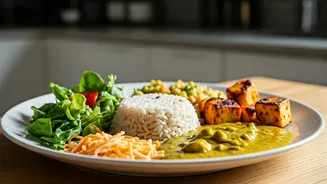
To illustrate effective dietary adjustments, several balanced meal examples showcase how to integrate protein, vegetables, and controlled carbohydrates. Consider options like 200 grams of rajma paired with 100 grams of rice and Greek yogurt, or 200 grams of dal with a bean and cashew sabzi, one dosa, and sugar-free kheer. Other balanced combinations include palak paneer with rice and yogurt, matar paneer with rice and beet, or shrimp biryani with yogurt, eggs, and beet. Even meals like chicken curry with rice and yogurt, or fish fry with rice and bhindi sabzi demonstrate the principle. The consistent theme across these examples is portion-controlled carbohydrates, ample protein, and the inclusion of vegetables, often enhanced by yogurt for added protein, proving that traditional Indian cuisine can be optimized for health without complete overhaul.