Chiku & Sugar Levels
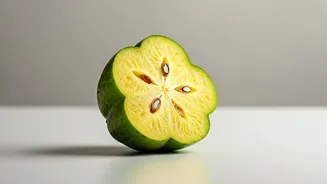
Chiku, a fruit cherished for its soft texture and caramel-like sweetness, presents a common dilemma for individuals managing diabetes. While generally
healthy, its impact on blood glucose needs careful consideration. Scientific data indicates that chiku possesses a moderate glycaemic index, typically ranging between 55 and 65. This means that its consumption can indeed lead to a rise in blood sugar levels, especially if eaten in uncontrolled quantities. Nutritionists emphasize that while the fibre content in whole fruits does contribute to a slower sugar release compared to processed forms, the overall portion size remains a critical factor for diabetics. Therefore, experts strongly advise against making chiku a daily indulgence. Instead, it's recommended to limit intake to very small servings, perhaps just a few slices, and to consume it occasionally rather than regularly. Furthermore, it is often suggested that chiku be eaten after a meal rather than on an empty stomach, as this can help buffer the blood sugar response. For those whose diabetes is currently uncontrolled, abstaining from chiku altogether is the safest course of action until their sugar levels are better managed.
Digestive & Antioxidant Power
Beyond its impact on blood sugar, chiku offers significant nutritional advantages that contribute to overall well-being. One of its key benefits lies in its substantial dietary fibre content. This fibre plays a crucial role in promoting regular bowel movements, effectively combating constipation and supporting a healthy digestive system. The presence of fibre also contributes to a feeling of fullness, which can be beneficial for weight management. Moreover, chiku is a noteworthy source of various antioxidants, including polyphenols and flavonoids, as highlighted by research from institutions like the National Institutes of Health (NIH). These potent compounds are instrumental in combating cellular damage caused by oxidative stress and inflammation within the body. By neutralizing harmful free radicals, these antioxidants contribute to protecting cells and potentially reducing the risk of chronic diseases over time. This antioxidant profile also extends its benefits to supporting healthier skin and bolstering the body's immune defences.
Bone Health & Immunity
The nutritional profile of chiku extends to supporting vital bodily functions, including bone strength and immune system resilience. This delightful fruit is a source of essential minerals such as calcium, phosphorus, and magnesium. These minerals are fundamental building blocks for strong and healthy bones, contributing to bone density and potentially warding off fragility as one ages. Incorporating mineral-rich foods like chiku occasionally can be a valuable addition to a balanced diet aimed at maintaining skeletal health. Furthermore, chiku plays a role in bolstering the immune system. It provides vitamin C, an essential nutrient known for its immune-boosting properties, along with other vital micronutrients that support the body's natural defence mechanisms. These components work together to help the body fight off common infections and cope better with everyday environmental stressors. The inherent antioxidant properties of chiku also complement these immune-supporting functions, contributing to a more robust overall defence system.
Skin Glow & Balanced Enjoyment
Chiku's goodness also reflects positively on skin health, thanks to its rich content of vitamin E and other powerful antioxidants. These nutrients work synergistically to combat the signs of premature aging, helping to maintain a more youthful appearance and supporting the skin's natural hydration and nourishment. Regular inclusion of antioxidant-rich foods can contribute to a healthier, more radiant complexion. However, for individuals managing diabetes, the key takeaway regarding chiku is thoughtful and moderate consumption. While its nutritional benefits are undeniable, prioritizing blood sugar balance is paramount. By adhering to expert recommendations on portion size, timing, and frequency, diabetics can still enjoy the unique, sweet pleasure of chiku without jeopardizing their health goals. It's about savouring the fruit's goodness wisely, ensuring that each bite contributes to well-being rather than posing a risk.