Decode Your Cravings
Salty snacks often derail healthy eating plans, but there's more to these urges than simple indulgence. Nutritional coach Saachi explains that cravings
can stem from inadequate carbohydrate intake, dehydration, overly restrictive calorie deficits, or elevated stress hormones like cortisol. When your body is signaling a need that isn't being met, it can manifest as an intense desire for salty treats. Understanding these underlying causes is the first crucial step in effectively managing and ultimately overcoming these persistent desires, paving the way for sustained wellness and fitness achievements.
Embrace Complex Carbs
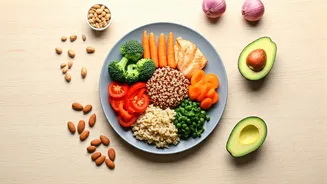
To combat the siren call of salty snacks, consciously increase your consumption of complex carbohydrates. Foods such as whole grains, oats, and legumes are excellent choices because they help stabilize blood sugar levels and promote a feeling of fullness, reducing the likelihood of snacking. When these carb-rich foods are paired with healthy fats and lean protein, their satiety-boosting effects are amplified, further diminishing the drive for less nutritious salty options. Nutrition coach Saachi advises incorporating staples like roti, rice, and potatoes into your diet, emphasizing that your calorie deficit should not exceed 200 calories from your regular intake to ensure adequate nourishment and energy.
Prioritize Hydration
Dehydration is a frequent, often overlooked, culprit behind mistaken hunger and cravings. Saachi highlights the critical importance of consistent water intake, as the body can easily confuse thirst signals with the desire to eat. A simple yet effective tactic is to drink a full glass of water whenever a craving strikes. By waiting 10 to 20 minutes after hydrating, you can often discover that the craving was merely your body signaling a need for fluids, effectively quenching the perceived hunger without resorting to snacks.
Manage Stress Wisely
The body's response to stress, particularly elevated cortisol levels, can directly trigger salt cravings. This physiological reaction often leads individuals to seek out comfort foods that provide quick energy and a sense of balance. Saachi suggests that rather than relying on chips for relief, focusing on structuring your daily life and finding equilibrium is key. Implementing strategies to manage stress effectively, such as establishing a routine and incorporating stress-reducing activities, can help regulate cortisol and diminish the physiological drive for salty snacks, leading to a more balanced and controlled approach to eating.