Understanding Silicone Safety
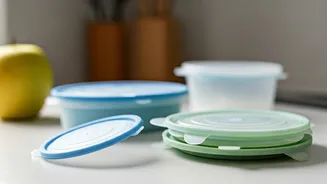
Silicone lids have surged in popularity as a sustainable alternative to disposable plastic wrap and containers. Their flexibility, heat resistance, and ease
of cleaning make them a kitchen favourite, especially for those embracing eco-conscious habits. However, questions frequently arise regarding their direct contact with food. Scientific investigations indicate that high-quality, food-grade silicone is generally stable for regular kitchen use. Research, including a 2023 study, suggests that minimal silicone oligomer migration into food might occur, predominantly under extreme laboratory conditions and high temperatures, rather than during typical everyday use. A 2020 paper also noted detectable oligomer release in food simulants when silicone baking moulds were subjected to temperatures exceeding normal storage parameters, particularly with high-fat substances. Nevertheless, these studies did not deem the material unsafe for standard applications. Furthermore, an environmental safety review from 2025 highlighted concerns about trace cyclic siloxanes (D4, D5, D6) in some silicone products. It clarified that reputable food-grade silicone undergoes rigorous purification to minimise these residues, rendering it an inert and dependable material for kitchen applications when used within specified temperature ranges.
Mastering Silicone Care
To ensure your silicone lids remain hygienic and effective, proper cleaning is paramount. After each use, a simple wash with mild dish soap and warm water effectively removes food particles and oils. Many food-grade silicone lids are also designed for top-rack dishwasher use, offering a convenient daily cleaning solution. For persistent odours, such as those from strong spices or garlic, a soak in a mixture of baking soda and warm water for 20-30 minutes can work wonders. A brief rinse with vinegar can help cut through stubborn grease and further neutralise any lingering smells. Crucially, always inspect your lids before storing them. Signs of stickiness, cracking, or discoloration indicate that the material may be degrading, and it's time to replace them to maintain food safety and product integrity.
Avoiding Silicone Pitfalls
Even premium silicone products can lose their efficacy if misused. It's vital to steer clear of common errors that could compromise safety and longevity. Never opt for uncertified or suspiciously cheap silicone products, as they may contain unsafe fillers. Always verify that your lids meet food-grade standards, such as FDA or LFGB certification. Be mindful of temperature limits; avoid placing silicone lids directly under a broiler, on open flames, or at temperatures exceeding the manufacturer's recommendations. Silicone is heat-resistant but not flame-proof, and direct exposure to fire will cause damage. When cleaning, refrain from using abrasive materials like steel wool or harsh scrubbing pads, as these can create microscopic scratches where bacteria and food particles can accumulate. Finally, don't ignore early signs of wear like persistent odours or a sticky texture, as these can signal material breakdown and necessitate prompt replacement to ensure continued safety.
Silicone vs. Plastic
A primary driver for consumers switching to silicone lids is the desire to avoid chemicals commonly found in plastics, such as BPA and phthalates, which have well-documented health concerns. When certified as food-grade, silicone does not contain these harmful substances and generally exhibits greater stability at higher temperatures. This makes it a more appealing option for those prioritizing health and environmental impact. However, the distinction between high-quality, certified food-grade silicone and lesser alternatives is crucial. Ensuring you are purchasing products specifically designed for food contact and made from reputable materials guarantees the benefits and safety associated with silicone, differentiating it significantly from the potential risks linked to certain plastics used in food storage.