Beyond the Sweat Session
It's a common frustration: you dedicate time every day to exercising, pushing your body, and yet, the number on the scale remains stubbornly stagnant.
Many believe that simply putting in the hours at the gym or on the track is the sole determinant of weight loss. However, experts emphasize that while physical activity is crucial, it's only one piece of a much larger puzzle. The intensity, duration, and type of your workouts play a significant role, but so do external factors you might not be considering. For instance, not challenging your body enough, or conversely, overtraining without adequate recovery, can both impede progress. Furthermore, if your workouts are primarily focused on endurance without incorporating strength training, you might be missing out on the metabolic benefits that building muscle mass provides. Understanding these nuances of exercise programming is key to unlocking your body's potential for fat loss, ensuring your efforts translate into tangible results rather than just expended calories.
Dietary Dominance in Weight Loss
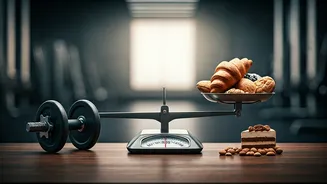
The adage 'you can't outrun a bad diet' holds a significant amount of truth when it comes to shedding pounds. While your daily workout routine burns calories, the energy you consume through food often has a far greater impact on your overall energy balance. It’s easy to underestimate the calorie content of what we eat and drink; a few extra snacks, a creamy coffee, or larger portion sizes can quickly negate the deficit created by your exercise. Experts consistently point to nutrition as the primary driver of weight loss. This doesn't mean you have to starve yourself or adhere to overly restrictive plans, but rather make conscious, informed choices about the quality and quantity of your food intake. Focusing on whole, unprocessed foods, managing portion sizes, and understanding macronutrient balance can make a profound difference. Without a strategic approach to diet, even the most rigorous workout regimen will struggle to deliver the desired outcomes.
Sleep and Stress Factors
Beyond the gym and the kitchen, two often-overlooked pillars of weight management are sleep and stress. Insufficient sleep can wreak havoc on your body's hormonal balance, directly influencing appetite and fat storage. When you're sleep-deprived, your body produces more cortisol, a stress hormone that can promote abdominal fat accumulation. Simultaneously, it increases ghrelin, the hunger hormone, while decreasing leptin, the satiety hormone, leading to increased cravings for high-calorie, unhealthy foods. Chronic stress has a similar effect, elevating cortisol levels and contributing to weight gain, particularly around the midsection. Therefore, prioritizing adequate, quality sleep and actively managing stress through techniques like meditation, yoga, or engaging in hobbies can be just as critical for weight loss as your exercise routine. Addressing these physiological responses is vital for creating an environment conducive to burning fat and achieving a healthier body composition.
Individualized Responses Vary
It's essential to recognize that every individual's body is unique, and responses to exercise and diet can differ significantly. Factors like genetics, metabolism, age, and hormonal profiles all play a crucial role in how effectively you lose weight. What works wonders for one person might yield minimal results for another, even if they follow the exact same plan. This is why a one-size-fits-all approach to weight loss is often unsuccessful. Experts advocate for a personalized strategy that takes into account your specific physiological makeup and lifestyle. Understanding your body's unique needs and tailoring your nutrition, exercise, and recovery protocols accordingly can unlock your weight loss potential. Instead of getting discouraged by comparing your progress to others, focus on what works best for *your* body and consult with professionals who can help you create a sustainable, effective plan.