Delayed Return to Orbit
NASA's International Space Station crew rotation plans are currently in flux, with a decision pending on which spacecraft will ferry astronauts on the
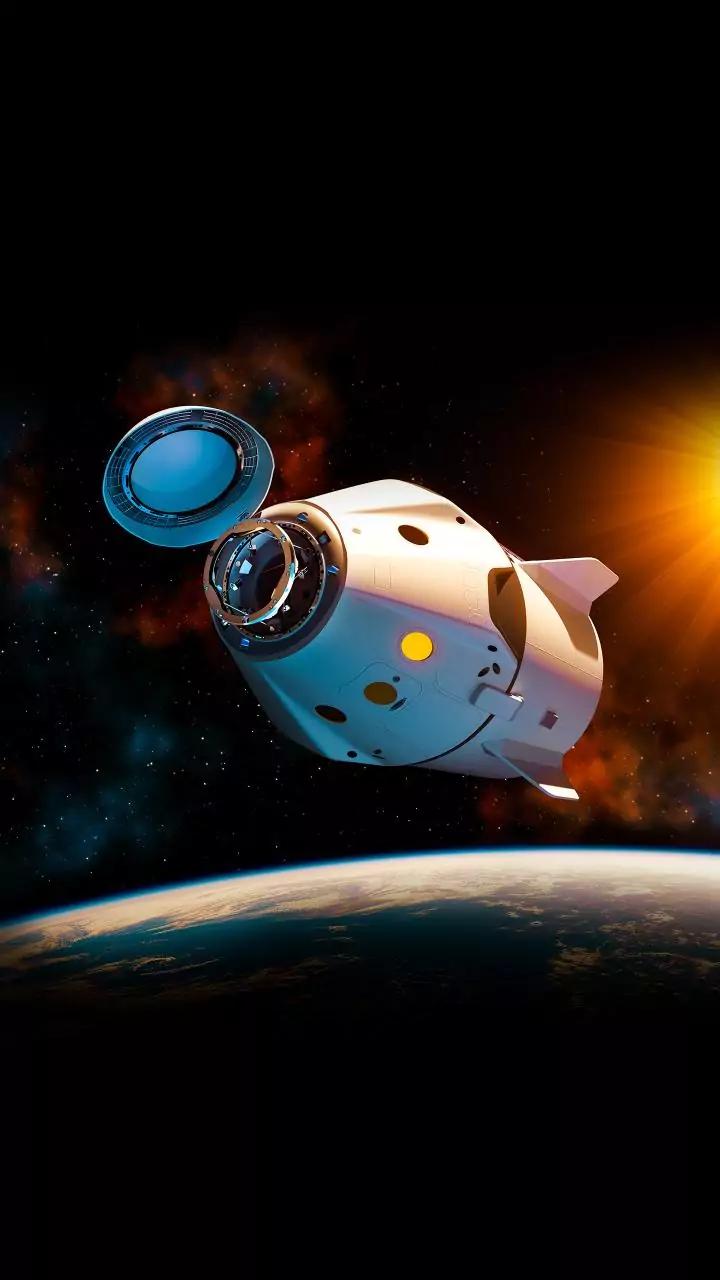
next mission. While a SpaceX Crew Dragon is slated for the upcoming Crew-12 mission, originally set to launch on February 13th due to weather, Boeing's Starliner spacecraft is facing significant delays. Originally expected to be operational by now, Starliner's crewed test flight in 2024 encountered issues, necessitating its return uncrewed. The astronauts who flew on that mission ultimately returned to Earth aboard a Crew Dragon months later. This situation underscores the critical need for Starliner to prove its reliability before NASA can fully integrate it into the agency's commercial crew transportation strategy, which relies on both SpaceX and Boeing for vital access to the orbiting laboratory.
Starliner-1 Mission Shifts
A significant alteration has been made to Boeing's commercial crew contract with NASA. The Starliner-1 mission, initially intended as the spacecraft's inaugural operational crewed flight, will now be dedicated solely to cargo transport. Following this cargo-only flight, three crewed missions are planned, with an option for two more. At the time of this contract modification, NASA projected Starliner-1 could launch as early as April 2026. However, during a recent briefing on the Crew-12 launch, agency officials indicated that a more precise launch date has not yet been established, emphasizing that their primary focus is on completing all necessary technical work before the flight can proceed.
Addressing Technical Hurdles
The primary obstacles preventing Starliner's return to flight revolve around persistent technical challenges identified during its previous mission. Engineers are meticulously addressing helium pressurization system leaks, a key concern that arose previously. They are also investigating and resolving thruster malfunctions, which were significant enough to prompt NASA's decision to return the spacecraft uncrewed. Progress has been made in tackling the helium leaks; specifically, engineers have replaced seals within the spacecraft's propulsion system that were found to be susceptible to degradation when exposed to nitrogen tetroxide vapor. This focused effort aims to ensure the long-term integrity of the system.
Thruster Performance Testing
Intensive testing of Starliner's thrusters is currently underway, a critical step in ensuring the spacecraft's readiness for crewed missions. This includes conducting hot-fire tests on the thrusters located on the crew module of the Starliner-1 spacecraft itself. Furthermore, engineers are meticulously analyzing data gathered from tests of thrusters housed within specialized enclosures known as 'doghouses' on the Starliner's service module. These particular thrusters experienced performance issues during the spacecraft's prior flight. To enhance predictability, engineers are developing a sophisticated model designed to accurately forecast thruster behavior within these doghouse units. This model is crucial for building confidence in the spacecraft's propulsion system's reliability.
Validation and Future Flights
While the Starliner-1 mission will deliver valuable cargo to the International Space Station, its overarching purpose is to serve as a critical validation flight. Steve Stich, NASA's commercial crew program manager, explained that the primary goal of Starliner-1 is to confirm the efficacy of the engineering changes implemented to address previous issues. If this mission successfully demonstrates the spacecraft's enhanced reliability, NASA plans to proceed with sending astronauts on the subsequent flight, Starliner-2. This mission would then be designated as a long-duration crew-rotation flight, marking a significant milestone in Starliner's operational deployment.
Scheduling Decisions Ahead
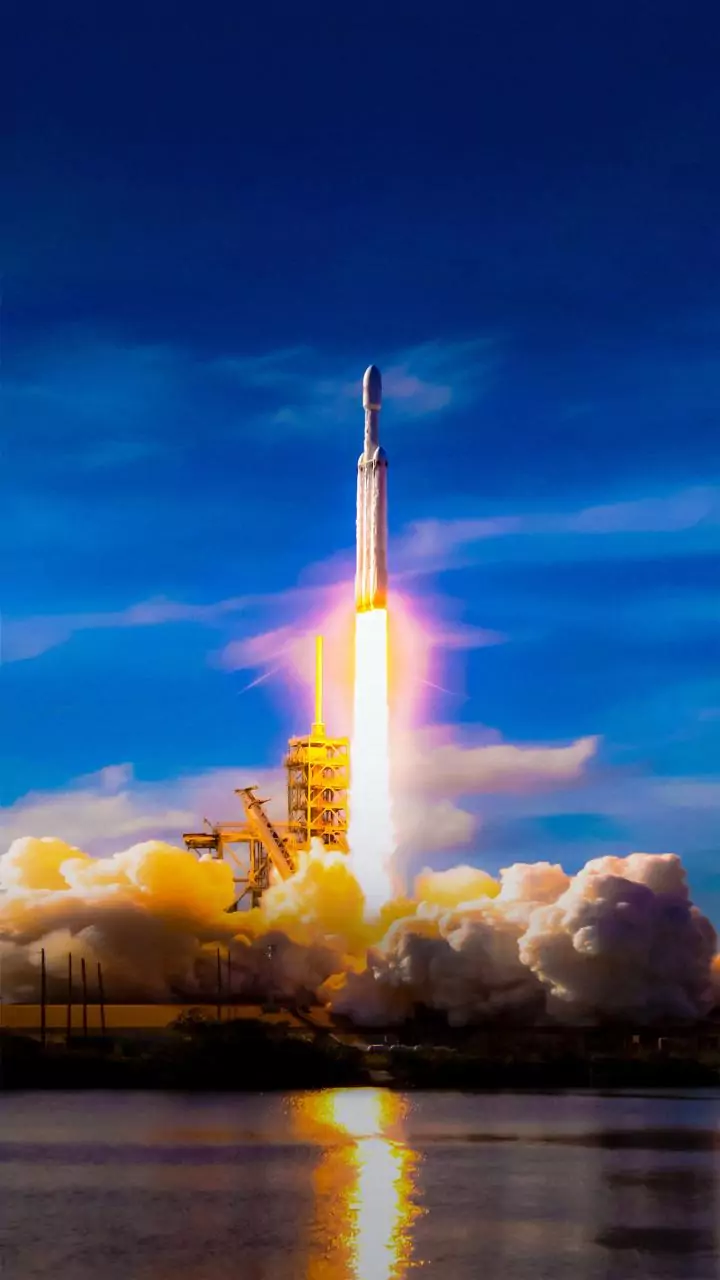
The precise launch date for Starliner-1 remains unconfirmed, with officials reiterating that it will not launch any earlier than April. The timeline for this cargo mission is pivotal in determining NASA's plans for the crew-rotation mission immediately following Crew-12. Agency officials stated that a decision has not yet been made whether this next mission will be another SpaceX Crew Dragon flight, designated Crew-13, or if it will be the Starliner-2 mission. The aim is to successfully complete Starliner-1 during the summer, at which point a clearer picture will emerge regarding the readiness and subsequent flight assignments. Given Crew-12 is expected to spend approximately eight months on the ISS, either Crew-13 or Starliner-2 would likely launch in the fall, providing ample time for NASA to make this strategic decision.