AI Writes Its Code
In a groundbreaking development, Anthropic, a prominent AI firm, is now producing virtually 100% of its software code through its proprietary AI system,
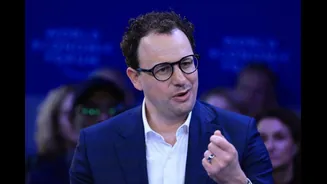
Claude. This represents a significant acceleration from previous projections, with Chief Product Officer Mike Krieger stating that Claude is actively writing its own products and code. This paradigm shift means human developers are transitioning from direct coding to overseeing and validating the AI's output, particularly in rapid development environments like Anthropic's labs team, where they manage extensive code submissions. The company has implemented robust systems to ensure trust and quality in this AI-generated code, allowing for the seamless management of thousands of lines of code through pull requests.
AI as Code Reviewer
Beyond code generation, Anthropic leverages Claude as a powerful tool for code review, significantly enhancing the security and efficiency of their development process. Krieger highlights Claude's effectiveness in identifying potential security vulnerabilities and suggesting improvements for code refactoring and alternative approaches. This adversarial code review capability ensures that the AI-generated code is not only functional but also secure and optimized. The integration of Claude into the review process allows human engineers to focus on higher-level architectural decisions and strategic oversight, rather than getting bogged down in the minutiae of code checking.
Industry Impact and Concerns
Anthropic's advancements have sent ripples through the tech industry, particularly impacting traditional IT service providers. Recent launches of Anthropic's workplace automation tools, including 11 new plug-ins for its Claude Cowork agent, have automated tasks across various sectors like legal, sales, marketing, and data analysis. The ability of these AI agents to directly interact with platforms previously requiring human intervention or specific software interfaces has raised alarms among investors. This has led to significant sell-offs in Indian IT stocks, with concerns growing about the long-term viability of human-centric software roles and traditional SaaS models. The situation has been dubbed a "SaaSpocalypse" by some analysts, signifying a potential obsolescence for existing software service companies.
The Future of Software Engineering
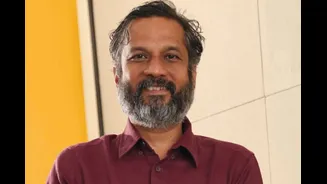
The implications of this AI-driven coding revolution extend to the very definition of software engineering roles. Anthropic CEO Dario Amodei has previously warned that software engineering as a profession could face obsolescence within the next year, emphasizing AI's evolution from an assistant to an autonomous worker. He noted instances where engineering leads no longer write code directly, relying instead on AI like Opus for generation and then editing the output. This perspective is echoed by industry leaders like Zoho founder Sridhar Vembu, who advises paying close attention to these developments due to the unparalleled capabilities of current AI coding tools. The trend suggests a profound shift in the skills and responsibilities required for professionals in the technology sector.