
'%3e%3cpath%20fill-rule='evenodd'%20clip-rule='evenodd'%20d='M6%200C10.4183%200%2014%203.58171%2014%207.99999V14.0003C14%2018.4186%2017.5817%2022.0003%2022%2022.0003H122C126.418%2022.0003%20130%2018.4186%20130%2014.0003V8C130%203.58172%20133.582%200%20138%200H6Z'%20fill='%23EDF2E7'/%3e%3c/g%3e%3cdefs%3e%3cfilter%20id='filter0_d_12223_4749'%20x='0'%20y='0'%20width='144'%20height='36'%20filterUnits='userSpaceOnUse'%20color-interpolation-filters='sRGB'%3e%3cfeFlood%20flood-opacity='0'%20result='BackgroundImageFix'/%3e%3cfeColorMatrix%20in='SourceAlpha'%20type='matrix'%20values='0%200%200%200%200%200%200%200%200%200%200%200%200%200%200%200%200%200%20127%200'%20result='hardAlpha'/%3e%3cfeOffset%20dy='8'/%3e%3cfeGaussianBlur%20stdDeviation='3'/%3e%3cfeComposite%20in2='hardAlpha'%20operator='out'/%3e%3cfeColorMatrix%20type='matrix'%20values='0%200%200%200%200.356863%200%200%200%200%200.427451%200%200%200%200%200.270588%200%200%200%200.7%200'/%3e%3cfeBlend%20mode='normal'%20in2='BackgroundImageFix'%20result='effect1_dropShadow_12223_4749'/%3e%3cfeBlend%20mode='normal'%20in='SourceGraphic'%20in2='effect1_dropShadow_12223_4749'%20result='shape'/%3e%3c/filter%3e%3c/defs%3e%3c/svg%3e)
Unexplained Fatigue
Persistent tiredness that isn't relieved by rest can be a sign that your heart isn't pumping blood efficiently. When the heart struggles, it can lead to
a general lack of energy and a feeling of exhaustion, even after a full night's sleep. This can impact daily activities, making even simple tasks feel overwhelming. If you find yourself constantly drained without a clear reason, like illness or lack of sleep, it's worth investigating. This symptom often goes unnoticed, as people might attribute it to stress or a busy lifestyle. However, a weakened heart can mean your body isn't receiving enough oxygen-rich blood, leading to this pervasive fatigue. It's important to differentiate this from normal tiredness and consider it a potential indicator of a more significant issue that requires medical attention. Early detection of such symptoms can lead to timely intervention and better management of heart conditions.
Shortness of Breath
Experiencing breathlessness during everyday activities, like climbing stairs or carrying groceries, can indicate that your heart isn't circulating blood effectively. This can cause fluid to build up in the lungs, making it difficult to breathe. This symptom might also manifest as waking up suddenly at night feeling like you can't catch your breath. It’s different from being out of shape; it's a feeling of being unable to get enough air even with minimal exertion. When the heart is compromised, it can’t meet the body’s oxygen demands, leading to this sensation. Ignoring persistent shortness of breath can be dangerous, as it could be a sign of developing heart failure or other serious cardiovascular problems. If you notice this happening more frequently, it’s a clear signal to consult a healthcare professional for a thorough evaluation.
Swelling in Extremities
Noticeable swelling, particularly in your ankles, feet, and legs, can be a symptom of your heart's inability to manage fluid balance effectively. When the heart's pumping action is weakened, blood can pool in the veins, causing fluid to leak into surrounding tissues. This condition, known as edema, often worsens throughout the day, especially after standing or sitting for long periods. The swelling might make your shoes feel tight or leave indentations when you press on the skin. While other factors can cause swelling, persistent edema, especially when accompanied by other heart-related symptoms, should not be dismissed. It signifies that the circulatory system isn't functioning optimally, which is a critical concern for heart health. Prompt medical assessment is advised if you experience this type of swelling.
Chest Discomfort or Pain
While often associated with heart attacks, chest discomfort can manifest in various ways, including pressure, tightness, squeezing, or a burning sensation. This pain might radiate to the arms, neck, jaw, or back, and can be triggered by physical or emotional stress. It’s crucial to differentiate this from indigestion or muscle strain. If you experience chest discomfort that is persistent, severe, or accompanied by symptoms like shortness of breath or sweating, seek immediate medical attention. This is a primary warning sign that your heart muscle might not be receiving enough oxygen. Don't delay in seeking help, as prompt treatment can be life-saving. Recognizing the diverse ways chest pain can present is vital for early detection and intervention.
Irregular Heartbeat
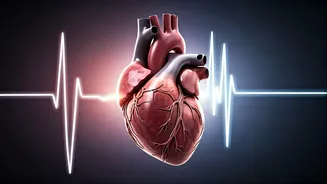
Feeling your heart skip a beat, flutter, race, or beat too slowly can be indicative of an irregular heartbeat, also known as arrhythmia. While occasional palpitations can be harmless, persistent or pronounced irregularities warrant attention. These sensations can sometimes be felt in the chest, throat, or neck. Arrhythmias can arise from various issues affecting the heart's electrical system, and they can impact the heart's ability to pump blood efficiently. If you frequently experience these sensations, or if they are accompanied by dizziness, fainting, or chest pain, it's important to get evaluated by a doctor. Understanding your heart's normal rhythm and recognizing deviations is key to maintaining cardiovascular health.