Perfect Burger Form
Achieve flawlessly shaped burger patties by employing a simple yet effective technique: firmly press the portioned meat against your cutting board to eliminate
air pockets. This action ensures the meat is dense and compact. Following this, create a slight indentation in the center of each patty. This small dimple is crucial as it counteracts the tendency of burgers to puff up excessively in the middle during cooking, resulting in a uniformly flat and appealing final product. This method guarantees a more consistent and enjoyable burger experience, making every bite as delicious as the last.
Flavorful Herb Stems
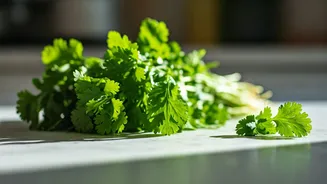
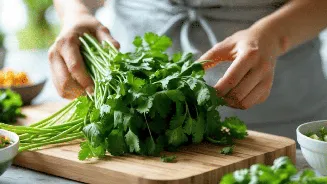
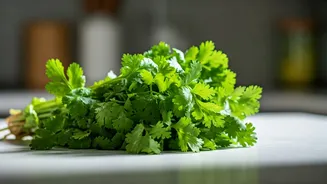
Don't discard those herb stems! After harvesting the leaves of fresh herbs like cilantro and parsley, save the stems. Store them in a sealed plastic bag in your refrigerator. These stems are a treasure trove of flavor, perfect for infusing soups, stews, and stocks with depth. When you're ready to use them, bundle the stems together with kitchen twine or a long stem. Add this bouquet garni to your simmering dishes, and remember to remove and discard the bundle before serving. This resourceful practice maximizes flavor and minimizes waste in your kitchen.
Bundling Woody Herbs
Similar to leafy herbs, woody varieties such as thyme and rosemary can be utilized effectively through bundling. Tie these tougher stems together with butcher's twine before introducing them to your cooking pot. This method allows you to easily extract the entire bundle at the conclusion of the simmering process, saving you the trouble of picking individual leaves. The herbs will impart their aromatic essence to your dish as it cooks, enriching the overall flavor profile without requiring extra prep time at the beginning.
Essential Bench Scraper
A bench scraper is an indispensable tool for any busy kitchen. Keep one readily accessible on your cutting board. This versatile implement simplifies the transfer of chopped ingredients from the board to pots and bowls. It also serves as an efficient way to clean your cutting surface, neatly gathering food scraps. Using a bench scraper is considerably more hygienic and effective than using your hands, and it prevents the dulling of your knife blades that can occur when trying to scrape with the edge of the knife itself.
Strategic Salt Seasoning
Master the art of seasoning by sprinkling salt from a height, ensuring even distribution across your food. This technique prevents clumps of salt from adhering to individual pieces, even after stirring. Professionals recommend seasoning your dishes gradually at every stage of the cooking process, rather than oversalt-ing at the beginning or end. This approach creates a more balanced and nuanced flavor profile throughout the entire dish, leading to a significantly more delicious outcome.
The Roll Cut Technique
Introduce visual appeal and varied texture to your ingredients with the 'roll cut' method. This technique involves cutting cylindrical ingredients, such as carrots or zucchini, in a way that creates pieces thicker in the center and tapered at the ends. This differential thickness results in slightly varied cooking times for each piece, adding an intriguing textural dimension to your finished dish. It's a simple yet effective way to elevate the presentation and mouthfeel of your culinary creations.
Fluffy Jasmine Rice
To achieve perfectly fluffy jasmine rice, begin by rinsing it thoroughly under cold water before cooking. This step removes excess starch that can lead to gummy results. Use a precise 1:1 ratio of rice to water for optimal texture. For instance, one cup of rice requires one cup of water. This straightforward approach ensures each grain is distinct and tender, providing an ideal base for any meal, whether it's a simple side or part of a complex culinary endeavor.
Resting Cooked Rice
Even without a rice cooker, perfectly fluffy rice is achievable with careful timing. Once the rice has finished cooking, resist the urge to lift the lid immediately. Let it rest, covered and off the heat, for approximately 10 minutes. This crucial resting period allows the residual moisture to redistribute evenly throughout the grains. The result is rice that is consistently fluffy from the bottom to the top, avoiding any mushiness or dryness.
Fried Rice Pan Prep
For consistently successful fried rice, a unique pan preparation is key: fry an egg first. This initial step creates a non-stick surface, preventing the rice from adhering to the pan as you continue cooking. The residual oils and cooked egg protein seem to create a barrier that repels subsequent ingredients. This seemingly simple trick, honed through years of practice in busy kitchens, ensures that your fried rice doesn't stick, making the cooking process smoother and the final dish easier to manage.
Trussing Poultry
Trussing poultry, such as chicken or turkey, before roasting significantly contributes to more even cooking and tender breast meat. By using butcher's twine to secure the legs and wings close to the body, you encourage uniform heat circulation. This method helps prevent the breast meat, which cooks faster, from drying out while ensuring the darker meat parts reach the desired temperature. The result is a more succulent and perfectly cooked roast.
The Clarity of Butter
Clarified butter offers the rich flavor of regular butter but with a higher smoke point, making it superior for many cooking applications. Regular butter contains milk solids that burn at lower temperatures. By removing these solids, clarified butter can withstand higher heat without scorching. This makes it ideal for high-heat cooking methods like pan-frying and roasting. Preparing a batch in advance and storing it in the refrigerator ensures you always have this versatile cooking fat on hand; it remains stable for up to three months.
Biscuit Dough by Hand
When preparing biscuit dough, always opt for mixing by hand rather than using a food processor or electric mixer. The critical factor for achieving perfectly flaky biscuits lies in how the butter is incorporated into the dry ingredients. This manual process provides superior control, allowing you to achieve the ideal texture, often described as 'coarse cornmeal.' Overworking the dough with machinery can lead to tough biscuits, whereas hand-mixing ensures tenderness.
Crack Eggs Wisely
To avoid shell fragments getting into your eggs, always crack them on a flat, even surface such as your countertop or a cutting board. Cracking an egg on the rim of a bowl often pushes pieces of the shell inward, making them difficult to remove. A clean crack on a solid surface minimizes this risk, ensuring your eggs are ready for use without unwanted debris.
Pierce Yolks First
Before you begin whisking eggs, it's advisable to pierce the yolks with a fork. This simple step significantly eases the process of thoroughly blending the egg whites and yolks together. Breaking the membrane of the yolk first allows for a smoother, more uniform mixture, which is essential for many recipes, especially when making custards, omelettes, or batters.
Omelette Pan Technique
Achieving a perfectly 'fat' (not flat) omelette involves a nuanced pan technique in the final moments of cooking. While advanced, this method, perfected by culinary experts, adds a professional flourish. It requires a specific movement or manipulation of the pan just as the omelette is setting. Mastering this subtle trick can impress diners and elevate a simple omelette to a work of art.
DIY Smoker Flavor
You can impart a wonderful smoky flavor to foods using a DIY smoker created with a Dutch oven, wood chips, and two heatproof metal bowls. This technique is perfect for quickly infusing fruits and vegetables with smoke, rather than for slow cooking. It's a convenient way to add complexity and a gourmet touch to dishes without needing specialized outdoor equipment, providing a concentrated burst of smoky aroma in a short time.
Nonstick Pan Limitations
Nonstick skillets are best reserved for specific items like eggs, pancakes, and occasionally French toast. These pans typically don't reach the high temperatures needed for achieving a crispy sear on most foods, and their nonstick coating can inhibit browning. Their primary function is to prevent sticking, making them ideal for delicate items that don't require browning or crisping, thereby preserving their intended texture and ease of cooking.