Freezing Temperatures Observed
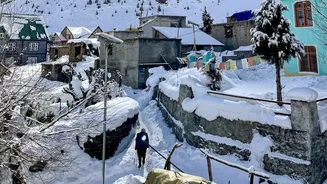
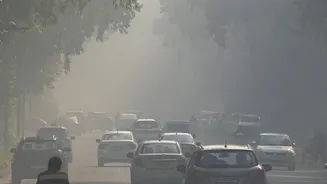
The capital witnessed a particularly frosty morning, with the temperature plummeting to a three-year low of 3.2°C in January. This stark chill was more
intense than the temperatures recorded in Shimla, highlighting the severity of the cold wave gripping Delhi-NCR. Such conditions underscore the importance of staying informed and taking necessary precautions to avoid health issues during this period. The unexpected dip in temperature served as a reminder of the need to adapt to the fluctuating weather patterns of the region. This information is crucial for residents and visitors alike, emphasizing the significance of preparing for extreme weather conditions.
Winter's Intensifying Grip
Experts from the India Meteorological Department (IMD) have predicted that the winter season is set to become even more severe. This forecast indicates that the cold wave will persist, bringing with it the possibility of further temperature drops. This projection is crucial for residents, as it encourages them to stay updated on weather alerts and to take necessary measures to protect themselves from the cold. The IMD's warnings also encourage public awareness, urging people to follow guidelines and stay prepared for the winter's intensifying impact. Staying informed and adopting precautionary actions is crucial, especially in light of the forecast for a prolonged and potentially harsher winter season ahead. This helps everyone prepare accordingly.
Health Risks and Advice
The cold wave in Delhi brings with it increased risks for certain health conditions. Notably, the frosty conditions can exacerbate heart problems, lung issues, and diabetes. AIIMS (All India Institute of Medical Sciences) has issued advice, recommending the implementation of a 'cold action plan' to mitigate the adverse effects. Such plans usually involve keeping warm, avoiding prolonged exposure to cold environments, and taking extra care of vulnerable groups. By staying informed and adopting these precautionary measures, people can minimize health risks. This emphasizes the need for public health awareness and the importance of individual preparedness in the face of extreme weather conditions. Adhering to these recommendations can greatly improve well-being during the winter months.