Understanding Tartar Buildup
Dental tartar, a hardened form of plaque, is a common concern for oral hygiene. Plaque itself is a sticky film comprising food particles, minerals, and
bacteria that adheres to teeth. When plaque isn't removed through regular brushing and flossing, it calcifies, transforming into tartar. This yellow or brownish deposit is not only unsightly but also poses a threat to your oral health. Tartar can irritate gums, potentially leading to gingivitis and other periodontal issues. While professional dental cleanings are the most effective way to remove tartar, certain natural remedies can aid in its reduction and prevention from the comfort of your home.
The Power of Baking Soda
Baking soda is a widely recognized agent for its gentle abrasive qualities, making it a fantastic ally in the fight against plaque and tartar. You can create a simple yet effective toothpaste by combining a teaspoon of baking soda with your regular toothpaste. Alternatively, for a slightly stronger effect, mix baking soda with a pinch of salt. Apply this mixture to your toothbrush and brush your teeth as usual, followed by rinsing with lukewarm water. It's advisable to use this method sparingly, perhaps twice a week, to avoid excessive abrasion of tooth enamel. The mild alkalinity of baking soda helps neutralize acids in the mouth, further contributing to a cleaner environment.
Guava Leaves and Fruit
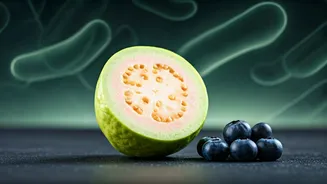
Guava, both its leaves and unripe fruit, offers remarkable benefits for oral health due to its potent anti-plaque properties. Chewing fresh, clean guava leaves daily can help disrupt the formation and buildup of plaque and tartar. This practice also aids in reducing gum inflammation, contributing to healthier gums. If guava leaves are not readily available, you can opt for an unripe guava. Sprinkle a little salt on it and chew it thoroughly once or twice a day. The fibrous nature of the fruit combined with the natural compounds in the leaves works synergistically to clean your teeth and gums.
White Vinegar's Antimicrobial Action
White vinegar possesses significant antibacterial properties that are beneficial in combating tartar and plaque. The acetic acid present in white vinegar can help in the demineralization process of tooth enamel, which, when used as a mouthwash, aids in loosening tartar deposits. To prepare an effective mouthwash, combine half a cup of water with two teaspoons of white vinegar and half a teaspoon of salt. Stir this mixture well until the salt dissolves. Swish this solution around your mouth twice daily, ensuring it reaches all areas. Regular use can help prevent further accumulation of plaque and tartar, promoting a cleaner mouth.
Orange Peel for Brightening
The natural oils and mild acidity found in orange peels can be surprisingly effective for teeth cleaning and tartar removal. You can directly use a piece of orange peel to rub gently over your teeth for approximately two minutes. The residue can be left on for a short while before rinsing your mouth with warm water. For those who prefer a paste-like application, finely ground orange peel can be mixed with a little water to form a scrub, which can then be used to clean your teeth. This method, repeated two to three times per week, offers a cost-effective and natural way to address superficial tartar and brighten your smile.
Aloe Vera Paste Power
While aloe vera has a naturally bitter taste, its therapeutic properties make it a valuable ingredient for oral care, including tartar removal. To create a potent cleaning paste, combine one teaspoon of aloe vera gel with four teaspoons of glycerin. Add five tablespoons of baking soda, a few drops of lemon essential oil for flavor and added cleaning power, and enough water to form a paste. Use this mixture to brush your teeth daily until you notice a reduction in plaque and tartar. Once the desired results are achieved, you can switch to a less frequent application, such as every three to four days, for maintenance.
Vitamin C Rich Foods
Foods rich in Vitamin C, such as strawberries and tomatoes, can play a role in maintaining oral hygiene by combating bacteria. The antimicrobial properties of Vitamin C help reduce the bacterial load in the mouth, thereby preventing the buildup that leads to tartar formation. To utilize this benefit, you can create a pulp from ripe tomatoes and strawberries. Apply this pulp to your teeth and leave it on for about five minutes before rinsing your mouth thoroughly. Incorporating this practice twice a week can contribute to a cleaner oral environment and potentially reduce tartar accumulation.
Spicy Foods and Saliva
Incorporating spicy foods into your diet can be a surprisingly simple yet effective way to aid in tartar control. The consumption of spicy foods stimulates increased saliva production in your mouth. Saliva is crucial for oral health as it helps to wash away food particles and neutralize acids, acting as a natural cleaning agent for both your teeth and gums. By increasing saliva flow, you enhance the mouth's natural ability to cleanse itself, which can assist in preventing the buildup of plaque and tartar over time. Enjoying a bit of spice can thus contribute to a healthier, cleaner mouth.