Pre-Wash Colour Removal
The initial step after Holi involves gently removing excess colour powder before introducing water, a crucial measure to prevent pigments from embedding
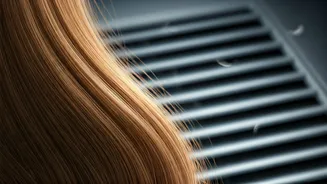
deeper into the hair shaft. Begin by using a wide-tooth comb or a soft brush to meticulously detangle and dislodge as much dry gulal as possible. This unhurried process can effectively lift a significant amount of colour before any washing commences. Following this, generously apply a nourishing oil such as coconut, almond, or olive oil to both your scalp and strands. The natural fats in these oils can help dissolve many synthetic colour components, simultaneously loosening stubborn pigment and forming a protective barrier. Allow this oil treatment to penetrate for approximately 45 to 60 minutes, ensuring maximum effectiveness in colour removal and hair conditioning.
Soothing Hair Masks
Following the pre-wash treatment, focus on replenishing lost moisture and repairing the hair's natural barrier with deep conditioning. A rich hair mask formulated with ingredients like argan oil, shea butter, or ceramides is highly beneficial. These components work to mend the hair cuticle and reintroduce softness and suppleness. Apply the mask liberally, ensuring every strand is coated, and leave it on for a minimum of 15 minutes before rinsing. For those who prefer natural solutions, a simple mixture of plain yogurt and honey can be an excellent alternative. The lactic acid in yogurt offers a gentle cleanse for the scalp, while honey acts as a humectant, sealing in moisture and smoothing the hair's texture. If your scalp feels particularly itchy or inflamed due to the festival's harsh elements, applying fresh aloe vera gel can provide immediate soothing relief and calm the irritated skin.
Gentle Washing Techniques
When it's time to wash your hair, it's essential to adopt a gentle approach to avoid further stripping natural oils and exacerbating dryness. Opt for lukewarm or cool water instead of hot, as hot water can open the hair cuticles excessively, potentially allowing colour remnants to penetrate deeper. Select a mild, sulfate-free shampoo. Your scalp has likely been through a lot, so it's best to avoid harsh anti-dandruff or deep-cleansing formulas. A more effective method is to shampoo twice with a gentle formula rather than attempting a single aggressive wash. During the washing process, focus on light massage of the scalp rather than vigorous scrubbing, which can cause friction and breakage on weakened strands.
Post-Wash Hydration
After washing and when your hair is still slightly damp, it's crucial to seal in the moisture and combat frizz. Apply a light leave-in serum or conditioner to help protect the hair cuticles and maintain hydration throughout the day. This step is vital for keeping hair manageable and preventing it from looking dry and frizzy. Furthermore, consider a light trim. The ends of the hair are often the most compromised after exposure to sun, hard water, and colours. Removing these split or dry ends not only improves the immediate appearance of your hair but also prevents further damage from travelling up the hair shaft, promoting healthier growth.
Rest and Recovery Period
To allow your hair to fully recover after the festival, it needs a break from damaging styling practices and chemical treatments. Refrain from using heat styling tools such as blow dryers, straighteners, or curling irons for at least seven to ten days. These appliances can significantly worsen dryness and increase the likelihood of breakage. Whenever possible, allow your hair to air dry naturally. Additionally, postpone any chemical hair treatments, including bleaching, colouring, rebonding, or keratin treatments, for a minimum of two weeks. Even hairstyles should be considered; avoid tight ponytails, buns, or braids that can put undue stress on weakened hair. Opt for loose styles that give your hair space to rest and recover.