A Gastronomic Tapestry
India's culinary landscape is a magnificent tapestry woven with threads of diverse regional influences, historical trade routes, and a profound reverence
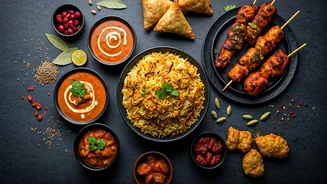
for ingredients. Each state and even sub-region boasts a unique gastronomic identity, shaped by its climate, geography, and cultural history. For instance, the south, with its abundance of coconut and tamarind, offers dishes rich in tangy and aromatic flavors, like the iconic dosas and idlis of Tamil Nadu and Kerala, often accompanied by sambar and a variety of chutneys. Moving north, the cuisine transforms, incorporating more dairy, wheat, and robust spices, leading to the hearty gravies and tandoori preparations prominent in Punjab and Haryana. The east, known for its subtle sweetness and use of rice and fish, features delicacies such as Bengali mishti doi and Macher Jhol, while the west, influenced by desert conditions and coastal proximity, presents a blend of fiery spices and unique cooking techniques, exemplified by Gujarati khakhra and Maharashtrian Vada Pav. This intricate interplay of flavors and techniques creates an unparalleled culinary journey across the subcontinent.
Street Food Sensations
India's bustling streets are a vibrant hub of culinary innovation, offering an explosion of flavors that capture the essence of local life. From the tangy and spicy pani puri and bhel puri that tantalize the taste buds in Mumbai, to the steaming momos found in the north and northeast, street food is an integral part of the Indian gastronomic experience. Kolkata's phuchka and various chaats, Delhi's aloo chaat and chole bhature, and Lucknow's kebabs are just a few examples of the diverse array of popular street snacks. These dishes are not merely food; they are cultural artifacts, passed down through generations, often prepared with secret family recipes and a whole lot of passion. The experience of savoring these quick, flavorful bites amidst the lively chaos of Indian street markets is truly unforgettable. Each bite tells a story, reflecting the local palate and the vibrant street culture, making street food a must-try for anyone wanting to truly understand Indian cuisine.
Regional Culinary Gems
Delving deeper into India's regional cuisines reveals a treasure trove of distinct flavors and cooking methods. In Gujarat, the emphasis is on a subtle sweetness and vegetarian fare, with dishes like the undhiyu, a mixed vegetable preparation cooked underground, and the diverse array of farsan (savory snacks). Rajasthan's cuisine, born from arid conditions, is characterized by hearty, robust dishes such as dal baati churma and gatte ki sabzi, often employing ghee extensively. Uttar Pradesh offers a rich Mughlai influence, evident in its decadent biryanis, kebabs, and rich, creamy curries found in cities like Lucknow and Agra. Moving south, Kerala's cuisine showcases the liberal use of coconut and spices, with specialties like appam and stew, and flavorful seafood preparations. Tamil Nadu is renowned for its comforting staples like idli, dosa, and vada, often served with a spicy sambar and a variety of flavorful chutneys, reflecting a harmonious balance of taste and tradition.
The Art of Spices
Spices are the soul of Indian cooking, transforming simple ingredients into complex and aromatic masterpieces. India's unparalleled biodiversity provides an incredible array of spices, each contributing its unique essence. Cardamom, cinnamon, cloves, and black pepper form the base of many garam masalas, while turmeric adds its vibrant color and earthy notes. Cumin, coriander, and mustard seeds are fundamental in tempering (tadka), a technique that infuses oils with flavor before adding them to dishes. Fenugreek, asafoetida (hing), and red chilies add pungency and heat, creating the signature spicy kick many associate with Indian food. The strategic use of these spices, often toasted and ground fresh, unlocks layers of flavor, aroma, and therapeutic properties, making Indian cuisine not only delicious but also deeply rooted in traditional wellness practices. The masterful blending of these potent ingredients is an art form, meticulously honed over centuries.
Festivals and Feasts
Indian festivals are intrinsically linked to elaborate culinary traditions, with specific dishes prepared to mark auspicious occasions. During Diwali, the festival of lights, sweets like ladoos, barfis, and jalebis are central to celebrations, symbolizing prosperity and joy. Holi, the festival of colors, is accompanied by the consumption of gujiya, a sweet pastry, and malpua, a type of pancake, often enjoyed with a refreshing glass of thandai. Eid sees the preparation of rich biryanis and sewaiyan (vermicelli pudding), while Christmas brings festive cakes and baked goods, reflecting the nation's multicultural tapestry. Even regional festivals have their own distinct culinary rituals, such as Pongal in Tamil Nadu with its sweet rice dish, or Onam with its grand sadya, a multi-course vegetarian feast served on a banana leaf. These celebratory meals are not just about sustenance but also about community, togetherness, and the passing down of cherished culinary heritage.