Wood Haven Elegance
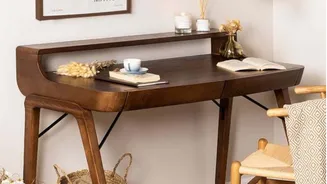
Embrace the warmth and natural beauty of wood with the 'Wood Haven' design. This approach focuses on rich, natural wood finishes for cabinetry, shelves,
and decorative elements. Think of polished teak, walnut, or oak creating an inviting and grounded atmosphere. The design can incorporate clean lines for a modern feel, or more traditional carvings for a classic touch. Ample storage for idols, prayer books, and incense is essential, often integrated seamlessly into the wooden structure. Lighting plays a key role, with soft, diffused lights highlighting the wood's grain and creating a peaceful ambiance. Consider wooden Jalis or intricate wooden screens for partitions, adding both privacy and aesthetic appeal. This style offers a timeless appeal, making your pooja room a tranquil retreat from the outside world, radiating serenity and devotion through its organic textures and hues.
Stone Game Foundation
The 'Stone Game' design brings a sense of grounding and permanence to your Pooja room, utilizing natural stone elements. This could involve marble, granite, or even textured stone cladding for the walls and flooring, offering a cool, sophisticated feel. For a modern interpretation, consider sleek, polished marble in neutral tones or granite with subtle patterns. Alternatively, textured stone can add a rustic charm. Integrated stone shelves or platforms for idols can create a unified look. Combining stone with other materials like wood or metal can add depth and contrast. For instance, a marble base can be complemented by wooden cabinetry. The natural variations in stone ensure each Pooja room is unique. This design choice emphasizes durability and a serene, almost timeless aesthetic, contributing to a deeply spiritual and calm environment perfect for meditation and prayer.
White Delight Sanctuary
The 'White Delight' design focuses on purity, light, and serenity through an all-white or predominantly white color scheme. This approach can make even small Pooja rooms feel spacious and airy. Crisp white marble, painted wood, or even white textured walls can create a clean canvas. Accents of silver, gold, or subtle pastels can be introduced through decorative items, idols, or soft furnishings to add warmth without overwhelming the pristine aesthetic. Intricate white marble carvings or minimalist white shelves can enhance the visual appeal. Soft, warm lighting is crucial to prevent the space from feeling sterile, casting a gentle glow. This design is perfect for those seeking a minimalist yet divine atmosphere, promoting peace and spiritual focus through its uncluttered and luminous presence.
Neutral Palette Serenity
Opting for a 'Neutral Palette' creates a calming and sophisticated Pooja room. This design utilizes soft beiges, creams, greys, and subtle earthy tones to foster an atmosphere of tranquility and introspection. These colors provide a versatile backdrop, allowing the vibrant colors of idols, flowers, and prayer essentials to stand out. Materials like natural stone, wood with a light finish, or textured paints in muted shades work well. Consider incorporating subtle patterns through wallpapers or tiles in neutral tones for added texture. The aim is to build a serene and understated space that promotes focus and peace, avoiding visual clutter. This approach is ideal for those who prefer a subtle yet deeply spiritual environment, where the emphasis remains on devotion and inner calm.
Playful Prints Appeal
Inject personality and a touch of joy into your Pooja room with the 'Playful Prints' design. This concept involves incorporating subtle, spiritually relevant patterns or motifs. Think of floral designs, auspicious symbols, or even abstract geometric patterns on wallpapers, screen partitions, or accent tiles. The key is to use prints judiciously so they enhance rather than distract from the spiritual purpose of the space. A printed backdrop behind the idols can create a focal point, or patterned tiles on the floor can add a unique touch. Combining prints with solid, calming colors in the overall scheme ensures balance. This design is for those who want their Pooja room to reflect a vibrant spirit while maintaining an atmosphere of reverence and peace, making it a welcoming and uplifting space.
Cabinetry Focus
Maximize functionality and aesthetic appeal by bringing your cabinetry into full use in the Pooja room design. This involves creating custom-built wooden or engineered wood cabinets that offer ample storage for religious texts, idols, diyas, and other prayer essentials. Sleek, handle-less cabinets can contribute to a minimalist look, while traditional carved cabinets add an ornate touch. Integrated lighting within the cabinets can beautifully illuminate stored items. Consider varied cabinet depths and heights to accommodate different items. A well-designed cabinet system keeps the Pooja room clutter-free and organized, enhancing the sense of peace and order. This approach blends practicality with elegance, ensuring your spiritual space is both beautiful and highly functional, reflecting meticulous attention to detail and thoughtful planning.
Monochrome Magic
Embrace the sophistication and visual impact of 'Monochrome Magic' in your Pooja room. This design style relies on variations of a single color, often black, white, or grey, to create a striking and cohesive look. For instance, a black and white theme can be achieved with black marble flooring and white marble accents, or vice-versa. Matte and gloss finishes within the chosen color palette can add depth and visual interest. Consider using metallic accents, like gold or silver, to introduce a touch of opulence and contrast. Monochrome designs can be incredibly elegant and modern, creating a powerful yet serene atmosphere conducive to prayer and reflection. The simplicity of this approach allows for a focus on the spiritual elements, making the idols and offerings the true centerpieces of the divine space.
Sunshine Yellow
Infuse your Pooja room with the uplifting energy of 'Sunshine Yellow'. This design incorporates shades of yellow, from soft pastels to vibrant ochres, to create a warm, inviting, and optimistic atmosphere. Yellow is often associated with knowledge, happiness, and prosperity, making it a fitting color for a sacred space. This can be achieved through painted walls, decorative tiles, or even yellow-hued furnishings and textiles. Consider pairing yellow with neutral tones like white or beige to balance the vibrancy. A yellow backdrop can make the deities and offerings pop, drawing the eye and fostering a sense of joy. This design choice ensures your Pooja room feels like a beacon of light and positivity, encouraging a cheerful and devotional spirit during your prayers.
Vibrant Backdrop
Create a captivating focal point by brightening up the space with a 'Vibrant Backdrop'. This design element involves using a richly colored or intricately patterned wall behind the main altar or deity placement. This could be a textured paint finish in a deep jewel tone like emerald green or sapphire blue, a beautifully crafted wallpaper with spiritual motifs, or even a decorative stone cladding. The vibrant backdrop draws attention, adding depth and personality to the Pooja room. It allows the serene white or neutral tones of other elements to provide a calming contrast. This approach transforms the spiritual corner into an artistic expression, enhancing the meditative and devotional experience by providing a visually stimulating yet peaceful sanctuary.
Intricate Borders
Elevate your Pooja room's aesthetic by focusing on 'Intricate Borders'. This design technique involves adding decorative borders around the flooring, walls, or even the ceiling edges. These borders can be made from contrasting tiles, carved wood, or even metallic elements, featuring traditional Indian patterns, geometric designs, or floral motifs. An intricately bordered floor can define the sacred space beautifully, while a border along the ceiling can add architectural interest. This attention to detail adds a layer of sophistication and craftsmanship, enhancing the overall visual appeal without overwhelming the spiritual atmosphere. It's a subtle yet impactful way to infuse artistry and elegance into your divine sanctuary, making it feel truly bespoke and cherished.
Hangings Talking
Let decorative hangings become the focal point of your Pooja room with this design concept. This approach emphasizes the use of beautifully crafted wall hangings, string art, or fabric art that convey spiritual messages or depict auspicious imagery. Think of embroidered tapestries, intricately woven dreamcatchers, or delicate thread art featuring deities or mantras. These elements add texture, color, and a personal touch to the space. They can be strategically placed to draw the eye and create a serene ambiance. When combined with simple, clean-lined furniture and neutral walls, these hangings become the artistic stars, infusing the Pooja room with a sense of devotion and artistic expression that resonates deeply.
White Marble Elegance
The 'Intricate White Marble' design brings timeless sophistication and purity to your Pooja room. White marble, known for its smooth texture and elegant veining, provides a luxurious and serene foundation. This can be used for flooring, wall cladding, or as a custom-built altar and shelving unit. Intricate carvings or minimalist designs can be etched into the marble to add detail and character. The coolness of marble creates a calming atmosphere, ideal for spiritual practice. Accents of gold or silver can be introduced through decorative items or metal inlay work to add a touch of opulence. This design choice ensures your Pooja room is not just a place of worship, but a breathtaking sanctuary of refined beauty and spiritual tranquility.
Cut-Out Glamour
Add a touch of subtle opulence and artistic flair with 'Cut-Out Designs'. This concept involves incorporating decorative screens, panels, or partitions with intricate cut-out patterns. These can be made from wood, metal, or even composite materials, featuring traditional Indian motifs, floral designs, or geometric shapes. The cut-outs allow light to filter through, creating beautiful patterns and adding a dynamic visual element to the space. They can be used as decorative screens behind idols, as cabinet door panels, or even as standalone art pieces. This design adds a layer of sophisticated detail and visual interest, elevating the Pooja room from functional to remarkably decorative while maintaining an elegant and spiritual ambiance.
Wooden Cabinet Design
Opt for a 'Simple Yet Sophisticated Wooden Cabinet Design' to bring both elegance and practicality to your Pooja room. This approach focuses on clean lines and minimalist aesthetics, utilizing high-quality wood for custom-built cabinets. These cabinets provide essential storage for all your prayer needs, keeping the space organized and clutter-free. Consider incorporating subtle details like elegantly routed edges or sleek hardware for a refined look. Natural wood finishes, like light oak or rich walnut, can add warmth and a sense of groundedness. Such a design ensures your Pooja room remains a peaceful sanctuary, with every item neatly stored and easily accessible, reflecting a thoughtful and elegant approach to spiritual space design.
Accent Doors
Make a striking statement with 'Modern Pooja Room Design with Accent Doors'. This design concept focuses on the entrance to your sacred space, using a door that stands out through its material, color, or design. This could be a door in a bold color, featuring intricate carvings, adorned with metallic accents, or crafted from a unique material like stained glass or intricately patterned wood. The accent door serves as a beautiful transition from the everyday world to the spiritual sanctuary within. It adds a personalized touch and hints at the beauty and serenity that lies beyond. This element provides a focal point and sets a tone of reverence and elegance for the entire Pooja room.
Lighted Up Backdrop
Create a truly enchanting atmosphere with a 'Pooja Room Design With Lighted Up Backdrop'. This design centers around illuminating the area behind the deity or altar to create a soft, ethereal glow. This can be achieved using LED strip lights embedded along the edges of shelves or the wall, subtle spotlights focused on the idols, or even decorative backlit panels. The soft lighting enhances the spiritual ambiance, drawing focus to the divine presence and creating a sense of peace and serenity. It transforms the Pooja room into a tranquil haven, making the devotional experience more profound and visually captivating, especially during prayer times.
Arch Design
Incorporate architectural elegance with an 'Arch Pooja Room Design with Iron Screen'. This approach uses arches to define the entrance or key areas within the Pooja room, adding a sense of grandeur and flow. The archway can be complemented by a decorative iron screen, which adds a touch of vintage charm and intricate detail. The iron screen can feature traditional Indian motifs or geometric patterns, allowing light and air to pass through while providing a sense of enclosure and privacy. This design blends classic architectural elements with decorative metalwork to create a visually stunning and spiritually uplifting space that feels both grand and intimate.
Sleek White
Experience purity and minimalist beauty with a 'Simple, Sleek White Pooja Room with Intricate Design'. This concept combines the clean, serene aesthetic of white with subtle yet intricate details. The white surfaces, whether marble, paint, or wood, create a bright and airy feel. The intricacy can be found in the form of delicate carvings on wooden elements, subtle patterned tiles on the floor, or fine fretwork on a partition screen. This careful detailing adds depth and character without compromising the overall sense of calm and simplicity. It’s a design that speaks to quiet devotion and refined taste, making the Pooja room a peaceful sanctuary of understated elegance.
Marble Pooja Room
Indulge in the timeless luxury of an 'Intricate White Marble Pooja Room'. This design showcases the inherent beauty of white marble, enhanced with detailed craftsmanship. Think of marble flooring with delicate inlay work, intricately carved marble columns supporting the altar, or a marble backdrop featuring detailed reliefs of deities or auspicious symbols. The coolness and smooth texture of marble contribute to a serene and tranquil atmosphere, perfect for spiritual contemplation. This design emanates a sense of purity, elegance, and permanence, transforming the Pooja room into a truly sacred and visually stunning space that inspires reverence and peace.
Corner Pooja Room
Optimize your living space with a 'Pooja Room Design for Corners'. This thoughtful design maximizes utility in compact areas by utilizing corner spaces efficiently. Whether it's a built-in unit that fits snugly into the corner or a cleverly designed freestanding temple, the aim is to create a dedicated spiritual zone without encroaching on other living areas. These designs often feature corner shelves, multi-tiered platforms for idols, and integrated storage solutions. The corner placement can create a sense of intimacy and focus. This approach is ideal for apartments or smaller homes, proving that a dedicated Pooja space can be both beautiful and functional, regardless of the available square footage.
Back Wall Stone
Create a unique and textured focal point with a 'Pooja Room Design with Back Wall Stone Cladding'. This design uses natural or engineered stone tiles to cover the back wall behind the altar, adding depth, character, and a touch of earthy elegance. Options range from rustic slate to sophisticated granite or sleek marble. The stone cladding provides a natural, grounding element that contrasts beautifully with other materials like wood or paint. It adds visual interest and a tactile quality to the space, enhancing the overall ambiance. This design choice creates a strong visual anchor, making the Pooja room feel more substantial and spiritually grounding.
Partition Design
Introduce defined spaces and aesthetic appeal with a 'Pooja Room Design with Partition'. This design element uses screens, jaalis, carved panels, or even elegant curtains to subtly separate the Pooja area from the rest of the living space. Partitions can be made from wood, glass, metal, or fabric, offering various levels of transparency and privacy. They can also serve as decorative elements, adding intricate patterns or colors to the room. A well-designed partition not only adds a sense of sanctity and focus to the Pooja area but also contributes to the overall interior design, enhancing the flow and aesthetics of your home.
Traditional Wooden
Embrace timeless tradition with a 'Traditional Wooden Pooja Room With Jali Door'. This design celebrates the rich heritage of Indian craftsmanship, focusing on intricate woodwork and classic motifs. The Pooja room is constructed primarily from wood, featuring detailed carvings on pillars, shelves, and decorative elements. The highlight is often the 'Jali' door – a door made of latticed wood – which adds a sense of mystique and allows light to filter through beautifully, creating mesmerizing patterns. This design evokes a sense of peace, reverence, and cultural pride, making the Pooja room a cherished sanctuary of devotion and artistry.
Modern Indian Style
Discover contemporary aesthetics blended with Indian traditions in 'Modern Indian-style Pooja Room Designs'. This approach marries the clean lines and minimalist principles of modern design with the cultural richness and spiritual elements of Indian Pooja rooms. Expect sleek cabinetry, neutral color palettes, and smart use of space, accented with traditional Indian motifs, spiritual symbols, or cultural artifacts. Materials like polished wood, marble, and metal are often combined. The goal is to create a functional, aesthetically pleasing, and deeply spiritual space that feels relevant to contemporary living while honoring ancient practices and beliefs.
Pooja Room With Steps
Incorporate a subtle elevation for your deities with a 'Pooja Room Design with Steps'. This design features one or more steps leading up to the main altar or deity placement, creating a distinct raised platform. These steps can be crafted from marble, wood, or stone, harmonizing with the overall design of the Pooja room. The elevated platform visually separates and highlights the sacred area, adding a sense of reverence and importance. This design element can also be incorporated into custom-built Pooja units, adding both functional definition and aesthetic depth to the spiritual space.
Glam Up Designs
Elevate the aesthetic appeal of your sacred space with 'Glam Up Your Pooja Room with Cut-Out Designs'. This design strategy focuses on adding elements of sophistication and visual richness through the clever use of cut-out patterns. These intricate designs, often seen in decorative screens, panels, or cabinet doors, create mesmerizing play of light and shadow. They can feature traditional Indian motifs, floral designs, or geometric patterns, adding a unique artistic flair. This approach transforms the Pooja room into a beautifully adorned sanctuary, where every detail contributes to an atmosphere of refined elegance and spiritual devotion.