Identifying Undocumented Residents
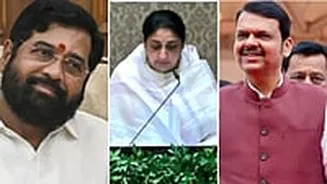
In a decisive move, Maharashtra's Deputy Chief Minister and Mumbai’s Guardian Minister, Eknath Shinde, has issued clear directives to district authorities
and the Mumbai police. The primary objective is to initiate rigorous verification drives across the city to pinpoint individuals residing illegally, specifically focusing on Bangladeshi nationals. This directive emphasizes a thorough check of residency status and aims to root out those who have circumvented legal immigration procedures. The instruction is to meticulously identify these individuals, scrutinize any documents they might possess, and initiate the necessary legal processes to ensure their departure from Mumbai as per established laws and regulations. This action is presented as a critical step towards maintaining order and security within the metropolis, ensuring that only legally documented residents contribute to the city's fabric. The administration’s intent is to create a more secure environment by addressing the presence of undocumented individuals.
Document Verification and Deportation
Following the identification of individuals suspected of illegal residency, a stringent process of document verification will be undertaken. This includes a specific focus on fraudulently obtained identity documents, such as Aadhaar cards, which may have been acquired through misrepresentation. The authorities are empowered to cancel these illegal documents, effectively nullifying any legal standing they might have granted to the holders. Subsequently, deportation proceedings will be initiated in strict adherence to the law. This multi-pronged approach aims to not only remove undocumented individuals but also to deter future attempts at obtaining fraudulent documentation. The government’s commitment is to ensure that Mumbai remains a safe and well-governed city, free from the potential challenges posed by illegal immigration and the misuse of identification systems. The Chief Minister himself is reportedly very serious about this matter, underscoring the high-priority nature of this crackdown.
Broader Urban Improvement Plan
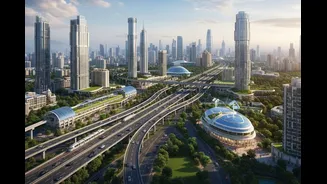
The crackdown on illegal immigration is not an isolated measure but is integrated into a much larger and comprehensive action plan designed to transform Mumbai into a world-class city. This broader vision encompasses making Mumbai drug-free and encroachment-free, alongside significant improvements in urban governance. The plan extends to various crucial aspects of city development, including accelerating pending Slum Rehabilitation Authority (SRA) projects and fast-tracking the redevelopment of dilapidated and dangerous buildings. Furthermore, efforts are underway to address infrastructure upgrades, enhance pollution control measures, bolster public health services, optimize traffic management, and implement robust anti-drug initiatives. The government is also focused on housing, aiming to fulfill the vision of building four million homes across Maharashtra. For instance, the Ramabai Ambedkar Nagar redevelopment project, which involves 17,000 homes, is being moved forward with support from the MMRDA, demonstrating a commitment to tangible urban renewal.
Enhancing Public Safety and Infrastructure
Under the 'Drug-Free Mumbai' initiative, a dedicated focus will be placed on establishing de-addiction centers, counseling services, and rehabilitation units within every municipal hospital. This approach seeks to combine strict enforcement with effective treatment and support for those struggling with addiction. In parallel, the city is prioritizing pre-monsoon preparation works, including road repairs, desilting of drains, flood control measures, and the operation of holding ponds, all to be completed on a priority basis. The completion of concrete road projects, in phases, is also progressing. Additionally, a special drive will be launched to clear footpaths of encroachments, alleviate traffic congestion, and install mobile and pink toilets for women near key public areas like railway stations and markets. To combat air pollution, dust-control measures, such as sprinklers and protective netting, will be made mandatory at all construction sites, contributing to a healthier urban environment.