Beyond Surface Level
Relationship disagreements commonly stem from aspects beyond daily habits. While habits can play a minor role, the primary drivers of conflict exist at a deeper
level. The timing of interactions, including when and how conversations are initiated, considerably influences the outcomes. For example, trying to discuss a serious matter when one partner is already stressed from work is a recipe for heightened tensions. The state of the nervous system is another critical component. When people are in a heightened state of stress, anxiety, or feeling overwhelmed, they are less likely to respond calmly. Their reactions become more reactive, and conflicts escalate more easily. This can lead to misunderstandings, hurt feelings, and a breakdown in communication. Finally, unmet emotional needs are the most prominent factor. If one or both partners feel unheard, unappreciated, unsupported, or unloved, conflict becomes almost inevitable. This is because these unmet needs create underlying resentment and distance. Addressing this requires a conscious effort to identify, communicate, and fulfill each other's emotional requirements.
Timing is Everything
Timing significantly impacts how relationship conflicts unfold. Couples must be mindful of when they initiate important conversations. Choose moments when both partners are relatively relaxed and receptive. For instance, bringing up sensitive topics during a hectic morning rush or when either partner is preoccupied with other stressors rarely yields positive outcomes. Instead, strive for moments of calm, such as after a relaxing evening or during a quiet weekend. Communication is key to recognizing that timing might be off; if either person feels stressed, tired, or emotionally vulnerable, it's often best to postpone the discussion. This doesn't mean avoiding difficult conversations entirely but rather choosing an opportune time to maximize the chances of a productive discussion. Making a habit of delaying important discussions until a better time reflects respect for both partners and reduces the likelihood of arguments spiraling out of control. Effective timing paves the way for both partners to approach sensitive topics with greater emotional intelligence and compassion.
Nervous System States
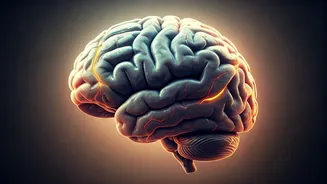
Nervous system states play a critical role in how individuals react during relationship disagreements. When either partner is experiencing stress, anxiety, or overstimulation, their reactions often become more reactive than considered. In these instances, the body’s fight-or-flight response is activated, leading to heightened emotions and difficulty in controlling reactions. This makes it challenging to engage in calm, rational communication. Instead of focusing on resolving the issue, individuals become preoccupied with protecting themselves, often becoming defensive or aggressive. Recognizing and understanding one's own and their partner's nervous system states during conflict is essential. This starts with becoming aware of the physical signs of stress or anxiety. This awareness allows individuals to pause, take deep breaths, and regain composure before responding. Creating a secure environment, where both partners feel safe and supported, allows for the nervous system to relax. In such environments, individuals are better equipped to approach issues with empathy and understanding.
Unmet Emotional Needs
Many relationship conflicts arise from unmet emotional needs. If one or both partners consistently feel unheard, unappreciated, or unsupported, resentment begins to fester, and conflicts are inevitable. These unmet needs create underlying feelings of disconnect and dissatisfaction, which can manifest in various ways. To address this, partners must identify and communicate their emotional needs. This involves open and honest discussions about feelings, desires, and expectations. It's about expressing what each individual requires to feel loved, validated, and secure within the relationship. Partners can explore their needs by asking questions such as, 'Do I feel seen and understood in this relationship?'. Couples can start to heal the cracks within the relationship by learning to effectively communicate and validate each other’s needs. The mutual fulfillment of emotional needs is essential for building a stronger and more resilient connection. Creating a loving relationship requires ongoing effort and the ability to adapt to each other’s needs as they evolve over time.
Mature Love and Literacy
Mature love requires emotional literacy. This entails the capacity to identify, understand, and manage one's own emotions, as well as the ability to recognize and respond to the emotions of others. In the context of relationships, emotional literacy is crucial for navigating conflicts. It allows partners to approach disagreements with empathy and compassion rather than defensiveness or judgment. Practicing this form of literacy involves active listening, where each partner strives to understand the other's perspective, even if they don't agree. Emotional literacy enables individuals to respond to their partner's needs constructively. In essence, it's about creating a space where both partners feel safe, understood, and supported. Continuous work on emotional literacy strengthens the emotional bond between the partners and cultivates a foundation of trust, understanding, and love.