Rapid Sugar Absorption
When consumed, especially on an empty stomach, the sugars in orange juice enter your bloodstream rapidly. This is because liquids are digested more quickly
than solid foods, and juices often lack the protein and fats that would otherwise slow down this process. Consequently, both your blood sugar and insulin levels can experience a quick surge. This effect is amplified when comparing juice to the whole fruit; a whole orange contains fiber that moderates sugar absorption, a benefit lost in juicing. Even orange juice with added pulp doesn't provide a significant amount of fiber, as most brands contain negligible amounts. To mitigate these rapid sugar releases, it's advisable to consume orange juice as part of a balanced meal that includes fiber, protein, and healthy fats. These components work to decelerate the digestion of the juice's sugars, thereby reducing the potential for blood sugar spikes.
Comparative Glycemic Impact
An 8-ounce serving of 100% orange juice contains approximately 24 grams of carbohydrates and 20 grams of natural sugars, which naturally influences blood sugar levels. However, compared to many other fruit juices, orange juice may not cause as dramatic an increase. This is partly attributed to its relatively low glycemic index (GI) of 43. The GI is a scale measuring how quickly foods elevate blood sugar, with lower scores indicating a slower rise. For context, other juices like papaya (GI 50) and mango (GI 56) have higher scores, suggesting they might impact blood sugar more significantly than orange juice. This means that while all carbohydrate-containing beverages will affect blood sugar, orange juice's specific composition can lead to a more moderate response than some alternatives.
Beneficial Bioactive Compounds
Beyond its sugar content, orange juice is a rich source of beneficial phytonutrients, contributing to its favorable impact on blood sugar. These plant compounds, including antioxidants, may play a role in studies that show orange juice doesn't consistently have negative effects on blood glucose. A single 8-ounce serving is also a good source of essential nutrients like potassium, folate, and thiamin, and an excellent source of vitamin C. Notably, hesperidin, a flavonoid primarily found in citrus fruits, has shown promise in research. Studies suggest this antioxidant may help protect against high blood glucose levels and could also contribute to reducing serum and liver lipid levels, offering potential health benefits beyond its vitamin content.
Strategic Enjoyment Tips
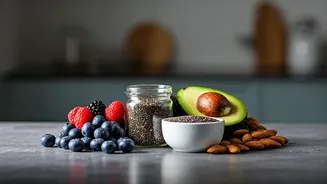
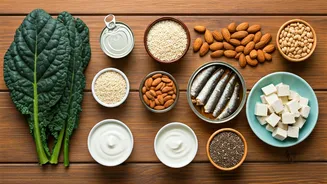
Incorporating orange juice into a blood sugar-conscious diet is achievable with a few smart strategies. Always opt for 100% orange juice, avoiding imitation drinks that often contain added sugars and artificial flavors. Stick to a modest portion size, ideally around 8 ounces, to manage sugar intake effectively. The most crucial tip is to pair your orange juice with a balanced meal. Combining it with sources of lean protein, fiber (like whole grains or vegetables), and healthy fats (such as nuts or avocado) will significantly slow down the absorption of its sugars. Another useful approach is to use orange juice as a flavor enhancer for other beverages, such as seltzer or tea, or even in salad dressings, allowing you to enjoy its taste without consuming a full serving of juice.