A Blue Surprise
While most Indian kitchens are well-acquainted with the vibrant yellow hue of everyday turmeric, a lesser-known relative exists, boasting an astonishing
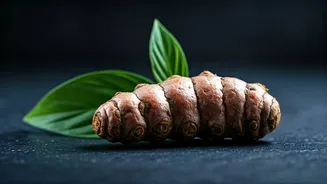
indigo-blue core. This is blue turmeric, scientifically identified as Curcuma caesia, also referred to as black turmeric or kali haldi. Externally, its rhizome might resemble its common yellow cousin or ginger, but slicing it open reveals a striking deep violet or bluish-black interior. Native to parts of India and Southeast Asia, blue turmeric diverges significantly from its culinary staple cousin, Curcuma longa. Instead of gracing our plates daily, it is predominantly revered for its therapeutic applications within Ayurvedic and traditional medicinal practices. Edwina Raj, Head of Services at Aster CMI Hospital's Clinical Nutrition & Dietetics, highlights a key distinction: regular turmeric's yellow color and widespread use stem from its high curcumin content, whereas blue turmeric possesses a more potent aroma and a taste profile described as bitter and camphor-like, rendering it less appealing for general cooking.
Chemical Contrasts Revealed
The fundamental divergence between blue and yellow turmeric lies in their intricate chemical compositions. Common turmeric, Curcuma longa, is celebrated for its abundant curcumin levels, the very compound responsible for its potent anti-inflammatory and antioxidant effects, making it a staple in food, supplements, and home remedies. Blue turmeric, conversely, contains a significantly lower concentration of curcumin. Its therapeutic prowess is attributed to a rich array of essential oils, including camphor, ar-turmerone, and other phenolic compounds. These specific constituents impart its characteristic sharp, camphoraceous fragrance and a distinctively bitter, pungent flavor. Consequently, blue turmeric finds minimal application in daily culinary endeavors, its value being primarily recognized for specific therapeutic interventions within traditional healing systems.
Traditional Healing Properties
Within the frameworks of Ayurveda and indigenous folk medicine, blue turmeric is traditionally believed to confer a range of benefits when administered judiciously. Its purported virtues include aiding in the relief of pain and inflammation, with applications involving the topical use of its paste on affected joints, bruises, and sore muscles. Furthermore, it is recognized for its potential to support respiratory health, being employed historically for conditions such as coughs, asthma, bronchitis, and nasal congestion, largely due to its camphoraceous components. Blue turmeric is also thought to possess antimicrobial properties, assisting the body in combating infections and promoting the healing of wounds. For digestive well-being, small quantities are believed to help alleviate gas and general stomach discomfort. In skincare, its soothing qualities have led to its use for minor rashes, itching, and skin irritations. It is crucial to note, however, that these traditional uses are primarily based on historical practices, and extensive scientific validation for blue turmeric remains less developed compared to its yellow counterpart.
Why It's Rare
The scarcity of blue turmeric in everyday spice racks can be attributed to a combination of factors, encompassing both its sensory profile and its availability. Its intensely bitter, camphor-like taste renders it unsuitable for incorporation into daily meals, setting it apart from the milder, versatile yellow turmeric. Beyond its flavor, blue turmeric is inherently rarer and faces vulnerability in certain regions due to the risk of over-harvesting. In numerous indigenous communities across India, this unique herb also holds profound cultural and spiritual significance, sometimes playing a role in traditional rituals and ceremonies. This blend of limited culinary appeal, lower natural abundance, and conservation concerns contributes to its status as a specialized and less commonly encountered botanical.
A Cautionary Note
It is imperative to understand that blue turmeric is a potent substance and should not be consumed with the same casualness as regular turmeric. Due to its concentrated volatile oils and active compounds, excessive intake can potentially lead to adverse effects. Particular caution is advised for specific groups, including pregnant or breastfeeding women, individuals with pre-existing liver conditions, those currently on medication, and people with underlying health issues. Before incorporating blue turmeric into any supplement regimen or as a therapeutic remedy, seeking consultation with a qualified healthcare professional is strongly recommended. This information is provided for educational purposes only and does not substitute professional medical advice.