The Sacred Date
In 2026, the revered festival of Maha Shivratri, often referred to as the 'Great Night of Shiva,' will grace devotees on Sunday, February 15th. This important
occasion honours Lord Shiva, a central deity in Hinduism, revered as one of the Supreme Lords. While it's observed globally by Hindus, its cultural resonance is particularly strong in India and Nepal. The festival marks a transition from winter to spring, symbolizing renewal and spiritual awakening. Across different regions of India, the precise timing might align with lunar calendars in Phalgun (North India) or Magh (South India), but the observance consistently falls on this significant night, typically occurring in February or March each year.
Auspicious Timings for 2026
For those observing Maha Shivratri in 2026, specific auspicious timings have been designated for devotion. The Nishita Kaal Puja, considered the most sacred period for worshipping Lord Shiva, will commence at 12:09 AM on February 16th and conclude at 01:01 AM on the same day. Following this, the Shivaratri Parana, the time when devotees break their fast, is scheduled from 06:59 AM until 03:24 PM on February 16th. These timings are crucial for devotees aiming to perform their rituals during the most spiritually potent hours of this significant night.
Observing the Vrat
The observance of Maha Shivratri often includes a rigorous fast, or vrat, which is typically undertaken starting from Trayodashi, the day preceding Chaturdashi, which marks the actual Shivratri. Devotees often adhere to eating only one meal a day in the lead-up to their fast. After performing morning rituals associated with Shivratri, it is customary to take a solemn vow, known as Sankalp, to fast for the entire duration of the festival, with the intention of breaking the fast only on the following day, thereby dedicating the full period to spiritual reflection and devotion to Lord Shiva.
Key Puja Rituals
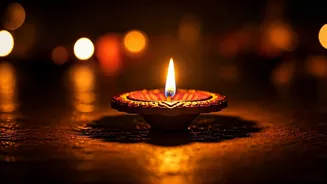
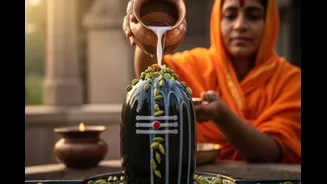
The Maha Shivratri puja is rich with symbolic rituals, each carrying profound spiritual meaning. Six crucial acts of devotion are commonly observed. Firstly, bathing the Shivalingam with water and milk, accompanied by bel leaves, represents the purification of the soul. Secondly, applying vermilion after the ritualistic bath signifies the embrace of virtue. Thirdly, offering fruits during the worship symbolizes the attainment of desires and longevity. Fourthly, burning incense sticks is associated with fostering prosperity. Fifthly, presenting betel leaves indicates contentment with worldly achievements. Finally, the lighting of a lamp symbolizes the illumination of wisdom and understanding, guiding devotees towards spiritual enlightenment.