Digestive Distress Concerns
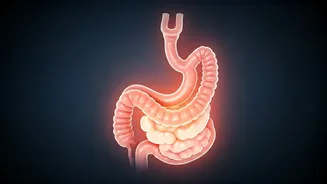
For many, onions are a flavor powerhouse and a healthy addition to meals. However, a significant portion of the population finds that onions cause digestive
upset. People suffering from conditions like Irritable Bowel Syndrome (IBS) often report increased bloating, gas, and general abdominal discomfort after consuming onions. This is due to certain fermentable carbohydrates found in onions, known as FODMAPs, which can be difficult for some digestive systems to process. Therefore, individuals experiencing these gastrointestinal issues are frequently advised to reduce their onion intake to alleviate symptoms and improve their digestive comfort. Paying close attention to how your body reacts after eating onions is key to managing these digestive challenges effectively.
Allergy and Acidity Issues
Beyond digestive discomfort, some individuals may encounter more direct reactions to onions, including allergic responses. These allergies can manifest in various ways, such as skin reactions like rashes, irritation in the throat, or a persistent runny nose shortly after consuming onions. If you suspect an onion allergy, it's crucial to seek medical advice for proper diagnosis and management. Furthermore, those who frequently suffer from heartburn or acid reflux might find that onions, particularly when eaten raw, can exacerbate their symptoms. Cooking onions thoroughly can sometimes mitigate these effects, but for some, a complete reduction in consumption may be necessary to manage acidity and prevent discomfort.
Blood Pressure and Pre-Surgery
Onions also warrant consideration for individuals managing blood pressure and those preparing for surgical procedures. It's noted that onions possess properties that can naturally lower blood pressure. For individuals who already have low blood pressure, consuming excessive amounts of onions might lead to adverse effects such as dizziness or a feeling of weakness. Therefore, moderation is advised for this group. Additionally, medical professionals often recommend reducing onion intake for a period before undergoing surgery. This precaution is related to the fact that onions may have a slight influence on blood clotting, and minimizing this effect is considered prudent in the lead-up to an operation.
Individual Tolerance Matters
Ultimately, the impact of onions on an individual's health is highly personal. While many can enjoy onions freely without any negative repercussions, others may experience a range of unpleasant symptoms. The most effective approach is to remain attuned to your body's unique responses to different foods, including onions. If you consistently experience discomfort or suspect a health-related issue stemming from onion consumption, consulting a healthcare professional is always the recommended course of action. Understanding your body's limits and seeking expert guidance ensures that you can enjoy a balanced diet where food benefits your health appropriately.