What is House Burping?
House burping, a casual American term for the German practice known as 'Lüften,' is essentially a method of rapidly exchanging stale indoor air for fresh
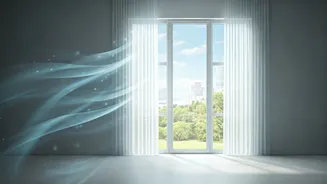
outdoor air. This technique involves fully opening windows wide open for short periods, typically between 5 to 10 minutes, once or twice daily. It's practiced even in chilly weather to ensure a constant flow of new air, a habit deeply ingrained in German culture and sometimes even mandated in rental agreements to prevent issues like dampness and the growth of mould. The core principle is to achieve a quick and efficient air change without prolonged exposure to cold temperatures, which can be both energy-inefficient and less effective at clearing the air.
The Science of Stoßlüften
The most effective method within 'house burping' is called Stoßlüften, or shock ventilation. This involves opening windows on opposite sides of a room or house simultaneously to create a powerful cross-draft. Unlike simply tilting windows, which only cools the walls without significantly refreshing the air, Stoßlüften ensures a rapid exchange of indoor atmosphere with outdoor air. This approach is highly economical and time-efficient, minimizing energy loss while maximizing the benefits of fresh air circulation. The concept of cross-ventilation further enhances this by connecting different rooms, allowing stale air to be expelled and fresh air to be drawn in across the entire living space.
Health Benefits Unveiled
Implementing this ventilation strategy offers significant health advantages. By regularly airing out homes, you can effectively reduce the concentration of volatile organic compounds (VOCs) that emanate from everyday items like furniture, cleaning products, and cosmetics. According to the U.S. Environmental Protection Agency (EPA), these VOCs can contribute to symptoms such as headaches and eye irritation. Dr. Parham Azimi, a research associate at the Harvard T.H. Chan School of Public Health, highlights that tightly sealed modern homes can become breeding grounds for mould due to trapped moisture and pollutants. By improving airflow, house burping helps to dilute and remove airborne irritants and allergens, leading to a healthier indoor environment and mitigating potential respiratory issues.
Viral Trend and Winter Wisdom
The practice of Lüften surged in popularity globally during the COVID-19 pandemic, with German Chancellor Angela Merkel herself endorsing it as an inexpensive yet effective way to curb virus transmission. This attention propelled it onto platforms like TikTok, where it gained traction as a simple hack for improving air quality. The trend has resurfaced, particularly during winter months, demonstrating its year-round applicability. Despite cold weather, brief periods of full window opening are still beneficial. This is because they effectively prevent moisture buildup from activities like cooking and showering without leading to excessive heating costs. Insulated homes tend to trap pollutants, making these quick airing sessions crucial for diluting viruses, smoke particles, and other airborne contaminants rapidly.
Practicing Smart Ventilation
To maximize the benefits of house burping, strategic timing is key. It's advisable to incorporate airing out your home into your daily routine, ideally in the morning, midday, and evening. During these times, opening windows fully ensures the most efficient air exchange. However, it's important to exercise caution on days with exceptionally high outdoor air pollution or during peak allergy seasons, where it might be wiser to keep windows closed. This simple, natural method offers a superior way to keep homes fresh and healthy compared to relying solely on air filtration systems, embodying a philosophy of elegant simplicity that has clearly resonated worldwide.