Understanding Hidden Fat
Body fat isn't all the same; it broadly falls into two types: subcutaneous and visceral. Subcutaneous fat is the visible layer just beneath your skin,
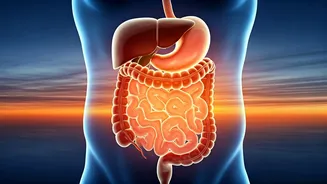
commonly found on arms, thighs, and the waist. Visceral fat, however, is far more insidious. It resides deep within your abdominal cavity, encasing vital organs like the liver, pancreas, and intestines. According to fitness expert Dan Go, this internal fat actively releases inflammatory compounds into your bloodstream continuously. This persistent inflammation significantly elevates risks for metabolic and cardiovascular issues. Go emphasizes that excessive visceral fat can silently damage your body and brain. Research indicates that individuals with the highest quartile of visceral fat face a substantially increased risk of serious health problems, including a tenfold higher likelihood of hypertension and a sixfold higher chance of developing diabetes. The danger extends to cardiovascular disease, with a 55% surge in risk, and even early markers for Alzheimer's disease have been linked to midlife belly fat up to 20 years before symptoms manifest.
The Optimized Diet
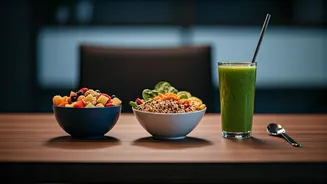
Reducing visceral fat doesn't necessitate extreme dietary measures. Dan Go proposes a remarkably simple approach he terms the 'world's easiest diet,' which he claims can reduce visceral fat by 14% without visible weight loss. This plan deliberately avoids the restrictive nature of ketogenic or carnivore diets and explicitly excludes calorie counting. Instead, it champions an 'Optimized Mediterranean Diet.' When compared to standard healthy eating plans and even the traditional Mediterranean model, this optimized version, which heavily features polyphenol-rich foods, demonstrated superior results, leading to a 14% drop in visceral fat. The core principles of this approach focus on incorporating nutrient-dense, anti-inflammatory, and antioxidant-rich foods that support metabolic function while specifically targeting visceral fat storage.
Key Diet Components
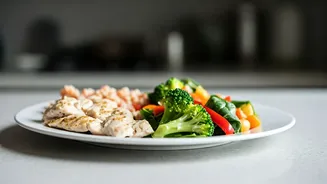
Adhering to this dietary strategy involves several crucial, non-negotiable habits. Firstly, complete abstinence from alcohol is advised. Eliminating all processed foods is another fundamental rule. A significant focus is placed on protein intake, aiming for 0.7 to one gram per pound of body weight. The diet prioritizes the consumption of fish and chicken as primary protein sources. Daily intake includes two cups of dark berries, recognized for their antioxidant properties. To further enhance health benefits, individuals are encouraged to swap their second cup of coffee for green tea. Incorporating polyphenol-rich leafy greens, such as spinach, kale, and arugula, into every meal is also essential. Finally, the inclusion of fermented foods and bone broth is recommended to support gut health, contributing to overall metabolic well-being and reducing inflammation.
Timing Is Crucial
Beyond the specific food choices, the timing of your meals plays a pivotal role in managing visceral fat. Dan Go highlights time-restricted eating as an exceptionally effective strategy to complement dietary changes. This practice involves concluding your final meal of the day a few hours before going to sleep, specifically three to five hours prior. Go emphasizes that the timing of when you cease eating can be as important as what you consume. The underlying mechanism is quite straightforward: by extending the fasting period overnight, your body gets a much-needed break from continuous digestion. This break allows insulin levels to drop, facilitating the body's transition into fat-burning mode. This strategic eating window supports metabolic flexibility and enhances the body's ability to utilize stored fat for energy.
Exercise for Fat Loss
While diet is paramount, a comprehensive approach to reducing visceral fat requires integrating regular physical activity. The fitness coach stresses the importance of pairing nutritional strategies with a structured exercise regimen. Strength training is vital for preserving muscle mass, which is crucial for maintaining a healthy metabolism as body fat decreases. Daily walking offers a consistent and accessible way to increase calorie expenditure and improve overall cardiovascular health. Incorporating occasional high-intensity interval training (HIIT) sessions can further boost fat burning and improve metabolic function. This combination of strength training, consistent aerobic activity, and targeted HIIT not only aids in fat reduction but also supports overall metabolic health, ensuring that progress is measured in terms of body composition rather than just scale weight.
Commitment to Results
Achieving noticeable reductions in visceral fat is heavily contingent on sustained effort and consistency. Dan Go estimates that approximately 90 days of dedicated, focused effort are required to witness significant improvements. He clarifies that this refers to 90 days of 'solid execution,' not merely 'pretty good' adherence. The overarching message from his framework is clear: tackling visceral fat isn't about embarking on short-term crash diets or relying on fleeting bursts of motivation. It's about establishing a consistent nutritional pattern, adhering to a well-defined training plan, and cultivating habits that are inherently sustainable. This long-term commitment ensures that the benefits gained during the initial 90-day period are maintained and amplified well into the future.