Inclusive Space Journeys Begin
The landscape of space tourism is expanding significantly, with recent developments marking a new era of accessibility. Notably, a groundbreaking flight
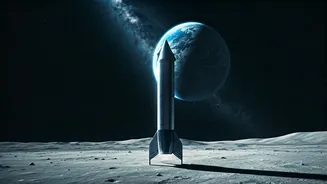
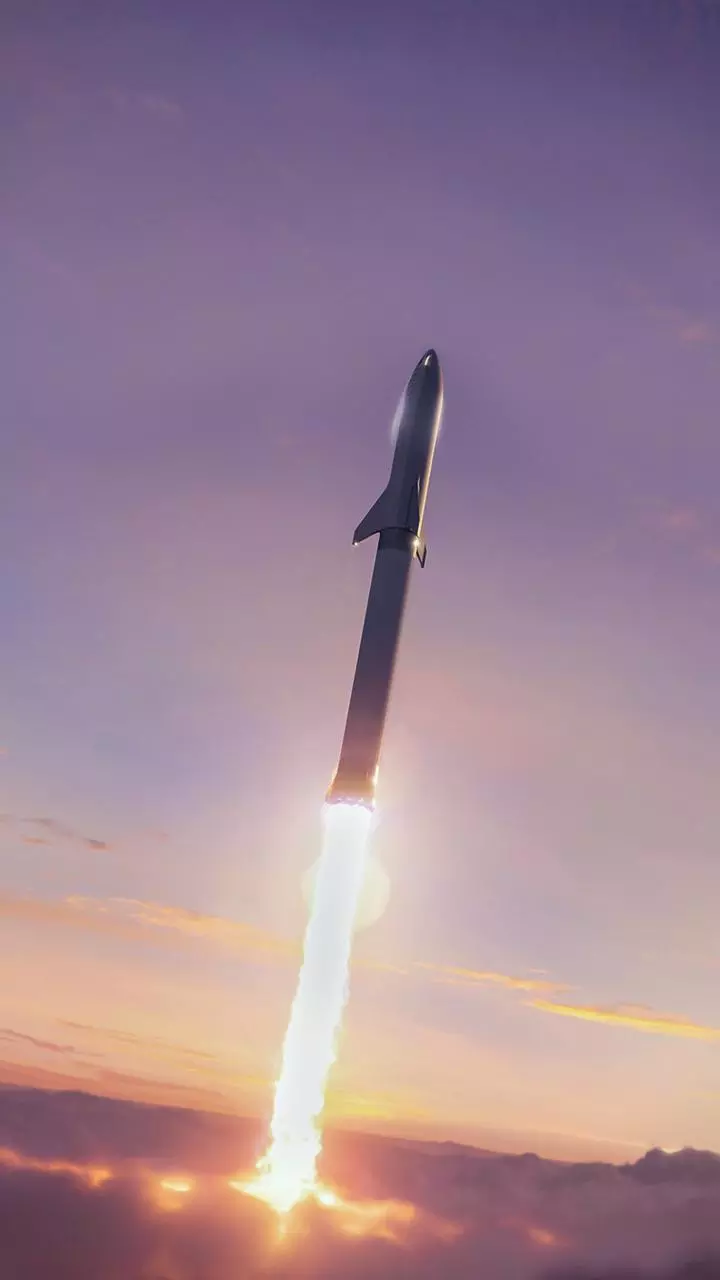
is set to carry a wheelchair user into space for the very first time. This initiative, spearheaded by a private aerospace company, represents a monumental step towards making space travel a reality for individuals with disabilities. Following this historic event, further flights are being targeted to continue this inclusive approach. This not only offers a unique experience to those who might have previously thought space travel was out of reach but also signals a broader commitment to democratizing access to the cosmos. The successful execution of these missions will undoubtedly inspire countless others and pave the way for future endeavors that cater to a diverse range of passengers, challenging traditional notions of who can venture beyond Earth's atmosphere and fostering a more equitable future for space exploration.
2026: A Leap Back to the Moon
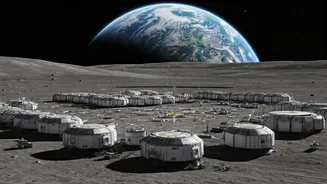
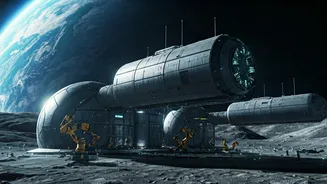
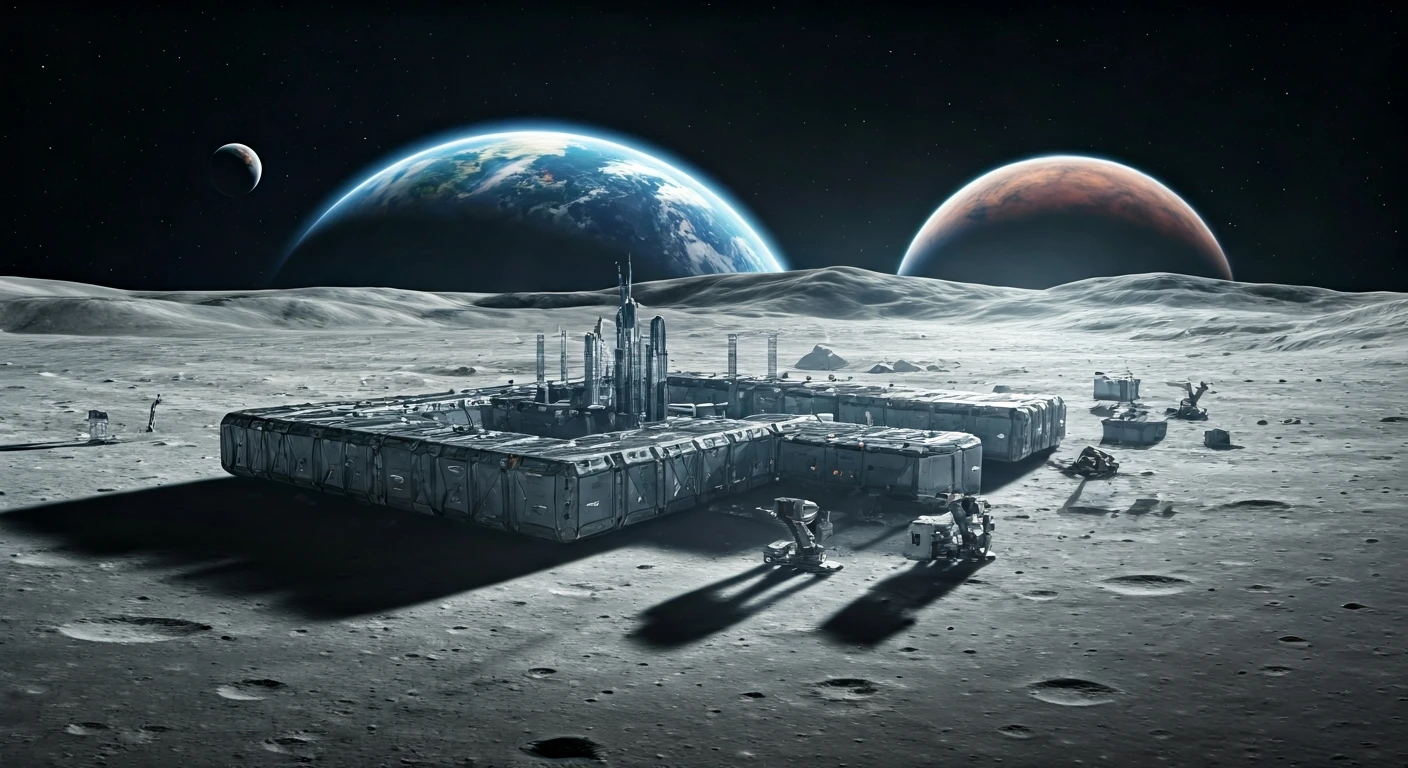
The year 2026 is poised to be a pivotal moment in space exploration, marked by humanity's return to the lunar surface. This ambitious undertaking involves significant international collaboration, alongside burgeoning competition, to achieve a new chapter in lunar exploration. Plans include deploying advanced space telescopes to study the universe from new vantage points and establishing a more robust presence on the Moon. The coordinated efforts aim to push the boundaries of scientific understanding and technological capability. This renewed focus on lunar missions is not just about revisiting a familiar celestial body; it’s about laying the groundwork for future deep space endeavors and potentially utilizing lunar resources. The convergence of global cooperation and national ambitions is set to make 2026 an exceptionally dynamic year for those captivated by the wonders of space and the ongoing quest for cosmic knowledge.
Lessons from the ISS
Even within the confines of the International Space Station (ISS), the realities of healthcare in extreme environments are being constantly evaluated. A recent instance involving the first medical evacuation from the ISS highlighted both the challenges and the resilience of spacefarers and ground support teams. Astronauts involved in the mission reported that while the situation was difficult, the crew's preparedness and collaborative spirit turned it into a learning opportunity with a positive outcome, a 'silver lining.' This event provides invaluable insights into the protocols and medical capabilities required for long-duration space missions. Understanding how to manage health emergencies far from Earth is crucial as we aim for longer voyages to the Moon, Mars, and beyond. The experience underscores the importance of robust medical training, advanced remote healthcare technologies, and the unwavering dedication of the individuals who venture into space, ensuring safety and well-being are paramount.