The Rise of Oud
As the holy month of Ramadan unfolds in 2026, the enduring appeal of oud continues to dominate the fragrance scene for men across the Gulf region. This
rich, woody, and often smoky note, derived from agarwood, stands as a cornerstone of traditional Arabic perfumery. Its complex aroma, ranging from sweet and balsamic to intensely leathery and animalic, offers a depth that resonates deeply with cultural heritage and personal expression. Perfumers are increasingly exploring nuanced interpretations of oud, blending it with complementary notes to create modern, yet timeless, scents. Expect to encounter oud paired with warm spices like cardamom and saffron, or softened by floral undertones of rose and jasmine, offering a sophisticated and inviting olfactory experience that perfectly complements the contemplative spirit of Ramadan. The versatility of oud allows it to be both a statement-making signature scent and a subtle, lingering aura, making it a perennial favorite that adapts to individual preferences and formal occasions alike during this significant time.
Floral & Fruity Accents
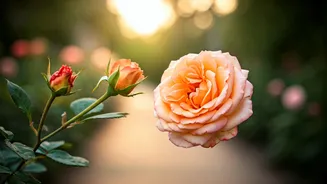
Beyond the profound depths of oud, Ramadan 2026 sees a noticeable trend towards the integration of lighter, yet equally captivating, floral and fruity accords within men's fragrances in the Gulf. These elements add a refreshing and vibrant dimension, offering a welcome contrast to heavier profiles. Think delicate hints of jasmine, tuberose, or orange blossom, which bring an ethereal sweetness and a touch of sophistication. Fruity notes, often featuring nuances of date, fig, or even subtle citrus like bergamot, introduce a natural sweetness and a touch of zest. These combinations create fragrances that are both inviting and elegantly complex, suitable for the warmer climate and the festive yet introspective atmosphere of Ramadan. The skillful layering of these lighter notes with more traditional Arabic bases like musk or amber results in scents that are modern, approachable, and possess a captivating sillage, appealing to a broader spectrum of personal style and preference.
Spicy & Resinous Notes
The aromatic tapestry of men's fragrances for Ramadan 2026 in the Gulf is further enriched by the prominent use of warm spices and intoxicating resins. These notes inject a sense of exoticism and warmth, perfectly harmonizing with the spiritual ambiance of the season. Clove, cinnamon, and nutmeg offer a comforting and festive spiciness, reminiscent of traditional Arabian kitchens and gatherings. Meanwhile, resins like frankincense and myrrh contribute a sacred, almost meditative, aroma. Frankincense, with its balsamic and slightly citrusy facets, and myrrh, offering a richer, earthier profile, evoke a sense of ancient traditions and deep introspection. When masterfully blended, these spicy and resinous elements create fragrances that are both grounding and uplifting. They add a distinctive character that is both bold and refined, embodying the rich cultural heritage and the spirit of warmth and generosity associated with Ramadan in the Gulf, making a memorable and enduring olfactory statement.
Musk and Amber Foundations
Anchoring the diverse olfactory profiles trending for men's style in the Gulf during Ramadan 2026 are the foundational notes of musk and amber. These classic elements provide a sensual, warm, and long-lasting base that ensures the longevity and overall character of a fragrance. Musk, in its various interpretations, offers a clean, skin-like sensuality or a more potent, animalic depth, providing a captivating allure. Amber, a rich and often sweet resinous accord, brings warmth, depth, and a touch of opulence. The synergy between musk and amber is particularly potent, creating a velvety smooth, enveloping scent that is both comforting and luxurious. These notes act as the perfect canvas for other elements, enhancing their complexity and projection. Their presence signifies a mature and sophisticated approach to fragrance, embodying elegance and understated power, making them indispensable in the perfumer's palette for the discerning gentleman during this significant period.