Carb-Centric Breakfasts
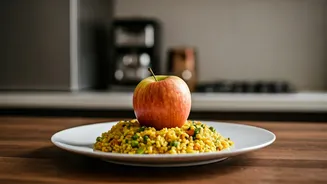
A prevalent issue identified by fitness coach Saachi is the tendency for many Indian breakfasts to be overwhelmingly carbohydrate-based. Dishes like poha,
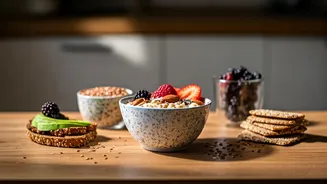
upma, and dosa, while culturally popular and quick to prepare, often lack sufficient protein. This carb-heavy start to the day might provide a rapid energy boost but fails to sustain fullness, leading to mid-morning hunger pangs. To counteract this, Saachi suggests incorporating protein-rich elements such as eggs, paneer (Indian cottage cheese), sprouts, or Greek yogurt. Including these components not only enhances satiety but also plays a crucial role in muscle health and repair, contributing to a more balanced and effective start to the day. This simple adjustment can significantly impact energy levels and appetite control throughout the morning.
Roti & Rice Imbalance
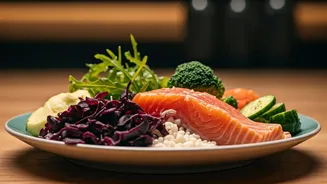
Another significant dietary imbalance often observed in Indian meals is the disproportionate consumption of grains like roti and rice, with vegetables and protein sources taking a backseat. Saachi highlights a common plate composition featuring multiple rotis, a minimal amount of sabzi (vegetable dish), and a negligible protein component. The recommended approach advocates for a reversal of this ratio: limiting rotis to one or two portions, significantly increasing the volume of vegetables, and ensuring a substantial serving of protein. Protein can be derived from various Indian staples such as dals, rajma (kidney beans), chole (chickpeas), paneer, chicken, fish, or eggs. This recalibration of the plate's components is vital for promoting satiety, supporting muscle mass, and achieving a healthier metabolic balance.
Cardio Over Strength
While cardiovascular exercise like walking is undoubtedly beneficial for overall health, Saachi points out that an overemphasis on cardio without incorporating strength training can limit desired physique outcomes. Building muscle mass is crucial because it significantly boosts metabolism, aiding in calorie expenditure even at rest. Furthermore, well-developed muscles contribute to a more toned and sculpted appearance, which many individuals strive for. Relying solely on cardio might lead to weight loss but may not result in the defined body shape many seek. Integrating a strength training regimen alongside cardio is therefore recommended for a comprehensive approach to fitness and body recomposition.
Misunderstanding Healthy Fats
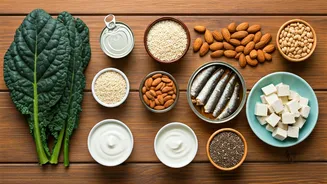
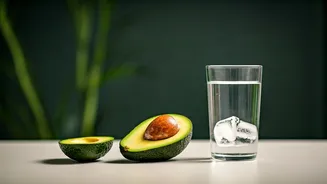
There's a pervasive misconception in many diets, including some Indian ones, that all dietary fats should be strictly avoided. However, Saachi emphasizes that not all fats are detrimental; in fact, certain types are essential for bodily functions and contribute to satiety. Healthy fats, found in nuts, seeds, and quality cooking oils, play a vital role in hormone production and can help individuals feel fuller for longer periods. The key, as with all macronutrients, lies in portion control. For instance, consuming a moderate handful of almonds (around 4-5) is beneficial, whereas excessive intake, even of healthy fats, can lead to calorie surplus. Mindful consumption of these nutrient-dense sources is crucial for overall well-being.