Scalp Stimulation Techniques
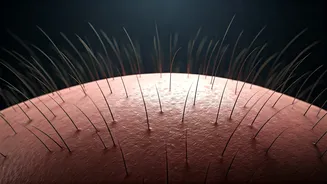
Optimizing your scalp's health is the bedrock of accelerated hair growth. Regular, gentle massage can significantly improve blood circulation to the hair follicles.
This enhanced blood flow delivers essential nutrients and oxygen, crucial for stimulating new hair growth and strengthening existing strands. Incorporating specific techniques, like using a derma roller with fine needles, can also create micro-injuries on the scalp, prompting the skin to initiate a healing process that includes increased collagen production and follicle regeneration. Additionally, consider adding essential oils known for their hair-boosting properties, such as peppermint or rosemary oil, diluted with a carrier oil like coconut or jojoba, to your scalp massages for an extra nutrient boost.
Nutritional Foundations for Hair
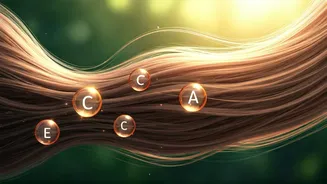
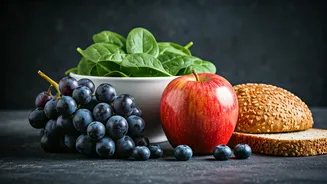
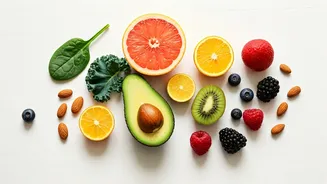
The key to robust hair growth lies deeply within your diet. Ensuring a balanced intake of proteins, vitamins, and minerals is paramount. Biotin, often hailed as 'hair vitamin,' plays a crucial role in keratin production, the primary protein that makes up hair. Look for it in eggs, nuts, and sweet potatoes. Iron is vital for carrying oxygen to hair follicles; deficiency can lead to hair loss, so include leafy greens, red meat, and lentils in your meals. Vitamins A, C, D, and E also contribute significantly to scalp health and hair strand strength. Vitamin C, in particular, aids in collagen production and iron absorption. Omega-3 fatty acids found in fish and flaxseeds can help keep your scalp hydrated and reduce inflammation, fostering a healthy environment for hair growth.
Gentle Hair Care Practices
Harsh treatments and styling can be detrimental to hair growth, leading to breakage and thinning. Minimizing heat styling, such as blow-drying, straightening, or curling, is essential. When heat is unavoidable, always use a heat protectant spray. Avoid tight hairstyles like ponytails or braids that put excessive tension on the hair follicles, as this can cause traction alopecia. Opt for looser styles and use fabric-friendly hair ties. Regular trims are also beneficial; they don't make hair grow faster, but they remove split ends, preventing further damage and allowing hair to appear healthier and fuller. Use wide-tooth combs and detangle hair gently, starting from the ends and working your way up.
The Power of Serums & Treatments
Targeted treatments can offer a significant boost to your hair growth efforts. Serums containing ingredients like minoxidil or natural compounds such as saw palmetto can help inhibit DHT, a hormone linked to hair loss, and stimulate follicle activity. Peptides and growth factors in specialized formulas can also encourage cellular regeneration within the scalp. When choosing a serum, look for products that also address scalp health by providing hydration and anti-inflammatory benefits. For deeper penetration and activation, consider using these treatments in conjunction with scalp massages or derma rolling, as this can enhance the absorption and efficacy of the active ingredients. Consistency is key with these types of treatments.
Stress Management for Hair
The connection between stress and hair loss is well-documented. Chronic stress can disrupt the hair growth cycle, pushing a larger percentage of hair follicles into the resting phase, leading to noticeable thinning. Implementing effective stress-reduction techniques is therefore critical for promoting healthy hair growth. Practices such as mindfulness meditation, yoga, deep breathing exercises, and regular physical activity can help manage stress levels. Ensuring adequate sleep is also vital, as the body performs essential repair and regeneration processes during sleep. Prioritizing mental well-being can have a direct and positive impact on your hair's vitality and growth rate.
Hydration and Internal Health
Maintaining optimal hydration levels throughout your body is fundamental for overall health, including hair growth. Water is essential for transporting nutrients to the cells, including those in your hair follicles. Dehydration can lead to dry, brittle hair that is more prone to breakage, hindering any progress in achieving longer locks. Aim to drink an adequate amount of water daily, adjusting based on your activity level and climate. Beyond just water intake, ensure your diet is rich in water-dense foods like fruits and vegetables, which contribute to your overall fluid intake and provide beneficial vitamins and minerals that support hair health from within. This holistic approach to hydration supports a healthy scalp and robust hair structure.
Understanding Hair Cycle
Comprehending the natural hair growth cycle is essential for setting realistic expectations and optimizing your approach. The cycle consists of three main phases: anagen (growth), catagen (transition), and telogen (resting). Most of your hair follicles are in the anagen phase, which can last for several years. Factors like genetics, hormones, and overall health influence the duration of this phase. Hair loss often occurs when this cycle is disrupted, for instance, if the anagen phase is cut short or if more follicles than usual enter the telogen phase prematurely. By understanding these phases, you can better appreciate why certain treatments take time to show results and why consistent, supportive care is crucial for maximizing hair growth potential.
Avoiding Chemical Damage
The use of harsh chemicals in hair treatments can severely compromise hair health and impede growth. Processes like bleaching, perming, straightening, and dyeing can strip the hair of its natural oils, weaken the protein structure, and damage the cuticle. This damage makes hair brittle, prone to breakage, and can even affect the scalp's health. Opting for gentler, natural hair dyes or low-chemical alternatives can make a significant difference. If you do choose to undergo chemical treatments, ensure you follow up with intensive conditioning and restorative treatments to help repair any damage. Reducing the frequency of these processes and allowing your hair time to recover is key to fostering a healthy environment for growth.
Scalp Exfoliation Benefits
Just as body skin benefits from exfoliation, so does your scalp. Regularly removing dead skin cells, product buildup, and excess sebum from the scalp creates a cleaner, healthier environment for hair follicles to thrive. This process can unclog pores, allowing for better absorption of hair growth serums and treatments, and can also stimulate circulation. You can achieve scalp exfoliation through specially formulated scalp scrubs, brushes, or even by using gentle DIY treatments like a mixture of sugar or salt with a carrier oil. It's important to be gentle and not over-exfoliate, which could lead to irritation. Aim for once a week or every other week, depending on your scalp's sensitivity and needs.
Monsoon & Hair Care
The monsoon season often brings increased humidity, which can lead to several hair concerns that might affect growth. Increased moisture can make hair frizzy and prone to breakage, while a damp scalp can become a breeding ground for fungal infections, impacting follicle health. To combat this, ensure your hair is thoroughly dried after washing and avoid tying it up when wet. Use anti-frizz products and consider incorporating hair masks that provide protein and moisture without weighing down your hair. Maintaining scalp hygiene is crucial; opt for gentle, clarifying shampoos that can help manage dandruff and keep the scalp clean. Protecting your hair from rain and humidity will help prevent damage and support consistent growth.