The Power of Steam
Steaming stands as a cornerstone of moist heat cooking, renowned for its ability to preserve nutrients and natural flavors while rendering food exceptionally
tender. This technique involves cooking food in the vapor generated by boiling liquid, such as water, broth, or wine, without direct contact with the liquid itself. The gentle, pervasive heat of steam cooks food evenly and slowly, ideal for delicate items like fish, vegetables, dumplings, and even some fruits. Unlike dry heat methods that can cause moisture loss and toughening, steaming keeps ingredients succulent and soft. Imagine perfectly steamed broccoli, retaining its vibrant green hue and a satisfying crisp-tender bite, or a delicate fish fillet that flakes effortlessly. This method also requires minimal added fat, making it a healthy choice that highlights the inherent taste of the ingredients. The simplicity of steaming, often involving just a pot, a steamer basket, and a lid, makes it accessible and efficient for everyday cooking, offering a pure and unadulterated taste experience.
Simmering for Tenderness
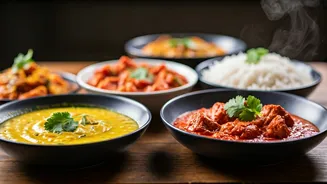
Simmering is another fundamental moist heat technique where food is cooked in liquid just below the boiling point, typically between 185°F and 205°F (85°C and 96°C). This gentle bubbling action is perfect for breaking down tougher cuts of meat, transforming them into fork-tender delights over time. Think of hearty stews, rich curries, or comforting soups – these dishes owe their incredible depth of flavor and melt-in-your-mouth texture to the slow, steady heat of simmering. The liquid not only cooks the food but also acts as a flavor infusion medium, absorbing and imparting tastes from aromatics like herbs, spices, onions, and garlic. This method is also excellent for cooking grains like rice and quinoa, or for creating sauces and reductions. The controlled temperature prevents rapid evaporation and scorching, ensuring that ingredients cook through evenly and absorb moisture, contributing to a more tender and palatable final product. Simmering allows for a hands-off cooking approach, enabling flavors to meld beautifully and produce deeply satisfying results.
Poaching: Delicate Flavors
Poaching involves submerging food in liquid at a temperature significantly lower than simmering, usually between 160°F and 180°F (71°C and 82°C). This ultra-gentle method is ideal for very delicate ingredients that could easily break apart or toughen with higher heat. It's particularly favored for cooking eggs, fish, and fruits. When poaching, the liquid is heated until small bubbles just begin to form at the bottom of the pan, but it never reaches a rolling boil. The chosen poaching liquid can be water, milk, broth, wine, or a combination, often infused with herbs, spices, or citrus zest to impart subtle flavors. For instance, poaching fish in a court bouillon (a seasoned broth) not only cooks it perfectly but also adds a delicate flavor profile without overwhelming its natural taste. Poached eggs, with their soft, yielding whites and luscious, runny yolks, are a classic example of this technique's prowess. Fruits poached in syrup or wine become tender and infused with the sweet or spiced liquid, creating a wonderful dessert. This method ensures maximum moisture retention and a smooth, tender texture.
Braising: Deep Flavor Mastery
Braising combines two cooking methods: initial searing in fat followed by slow, moist cooking in a covered pot with a small amount of liquid. This technique is primarily used for tougher cuts of meat, such as brisket, lamb shanks, or pork shoulder, transforming them into exceptionally tender and flavorful dishes. The initial searing creates a rich, brown crust, adding depth and complexity through the Maillard reaction. Subsequently, the food is transferred to a heavy-bottomed pot or Dutch oven, partially submerged in a flavorful liquid like broth, wine, or tomato sauce, and then tightly covered. The dish is then cooked at a low temperature, either on the stovetop or in the oven, for an extended period. During this long, slow cook, the connective tissues in the meat break down, rendering it incredibly tender and moist. The liquid also absorbs and concentrates the flavors of the ingredients, creating a rich, unctuous sauce that complements the main component beautifully. This method is perfect for creating hearty, rustic meals that are both comforting and deeply satisfying.