East-Facing Home Overview
East-facing homes, as per Vastu Shastra, are often considered auspicious, as they receive the morning sun, considered a source of positive energy. The
sun's rays are believed to bring health, vitality, and prosperity to the residents. This orientation is seen as especially beneficial for personal growth and career advancement. When designing or arranging an east-facing home, the principles of Vastu emphasize the importance of balancing the elements, maximizing natural light, and ensuring a smooth flow of energy. A well-designed east-facing home can become a sanctuary of peace, fostering a balanced and fulfilling life for its occupants. It's important to consider the placement of different rooms, the main entrance, and the use of colors and materials to enhance positive energies and minimize negative ones. Proper planning and implementation of Vastu principles can transform an east-facing home into a haven of well-being.
Main Entrance Door
The main door, or the entrance, is considered the gateway for energy into the home, making its placement crucial in Vastu. For an east-facing house, the ideal placement of the main door is towards the east or the northeast. The northeast direction is particularly favored as it aligns with the direction of the rising sun and is associated with positive energy and auspiciousness. When positioning the main door, ensure it opens inwards and is free from any obstructions, allowing for an unobstructed flow of energy. Avoid placing the door directly opposite a staircase or a toilet, as this can disrupt the flow of positive energy. The door should be made of high-quality wood and should be decorated in a way that reflects the overall aesthetic of the home while adhering to Vastu principles. Consider adding a threshold and a nameplate that complements the design. Regular maintenance of the door is important to maintain its beauty and ensure its proper function.
Living Room Placement
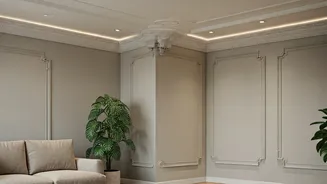
The living room, where families spend time together, should be positioned in the east or north direction. These directions allow for ample natural light, which is considered essential for positive energy flow. The east-facing living room benefits from the morning sun, which fills the space with vitality and freshness. The arrangement of furniture in the living room should be done in a way that promotes easy movement and avoids clutter. Heavy furniture can be placed in the southwest direction, while lighter items can be placed in the north or east. The seating arrangement should be such that residents face east or north while interacting. Decorate the living room with light colors, such as white, cream, or light shades of blue or green, to create a sense of spaciousness and serenity. Avoid using dark colors, as they can absorb light and create a feeling of negativity. Include artwork or decorative items that reflect positive themes, like nature or spirituality. Ensure the living room is well-ventilated to maintain a fresh and vibrant atmosphere.
Bedroom Vastu Guidelines
The master bedroom should ideally be located in the southwest direction of the home, as it is believed to promote good health, peace, and prosperity for the occupants. The southwest direction is considered to be the zone of rest and relaxation, thus it is optimal for sleeping. The bed should be positioned with the headboard towards the south or west, as this allows you to sleep with your head in the south or west direction. Avoid placing the bed directly in front of the door or under a beam, which can cause disturbances and obstruct the energy flow. The bedroom should be decorated with light and soothing colors, such as light blue, green, or pastel shades, which promote a restful atmosphere. Keep the bedroom clean and clutter-free to maintain a positive energy flow. Minimize the use of electronic devices in the bedroom, as they can disrupt sleep. Incorporate natural elements, such as plants or artwork depicting natural landscapes, to create a sense of harmony. The bedroom should be a sanctuary of peace, where residents can relax and rejuvenate.
Kitchen Vastu Principles
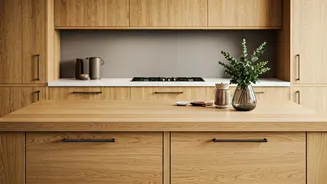
In an east-facing house, the kitchen should ideally be located in the southeast direction, as this direction is associated with fire, which is essential for cooking. The kitchen can also be placed in the northwest direction. Ensure that the cooking platform faces east, which is believed to bring good health and prosperity to the family. The sink should be placed in the northeast direction, while the gas stove should be positioned in the southeast. Avoid placing the stove directly in front of the main entrance or a window. The kitchen should be well-ventilated to prevent the accumulation of smoke and odors. The color scheme of the kitchen should be warm and inviting, using shades like yellow, orange, or red. Keep the kitchen clean and organized at all times. The placement of the refrigerator should be in the southwest direction, and the storage cabinets should be in the west or south directions. A well-planned kitchen will bring health and abundance to the household.
Pooja Room Placement
The pooja room, or prayer room, should be located in the northeast direction, as this direction is considered very auspicious and favorable for spiritual practices. The northeast direction is associated with peace, knowledge, and spiritual growth. The idols should be placed facing west, and the devotee should face east while praying. Avoid placing the pooja room directly under a staircase or next to a bathroom. The pooja room should be decorated in a way that creates a peaceful and serene environment. Use light colors, such as white or yellow, to enhance the positive energy. The room should be well-ventilated, allowing the flow of fresh air and positive energy. Incorporate religious symbols, such as Om, Swastika, and pictures of deities, to create a spiritual atmosphere. Make sure to keep the pooja room neat and clean at all times. A well-designed pooja room creates a sacred space for prayer and meditation.
Other Room Considerations
For an east-facing house, other rooms should also be planned according to Vastu principles. The study room should be in the west or southwest direction, and the study table should face east or north. This direction supports concentration and learning. The children's bedroom can be located in the west or southwest direction. The bathroom should ideally be located in the west or northwest direction, ensuring the toilet is placed in the west or southwest. The direction for the staircase should be south, southwest, or west. The placement of the staircase should be carefully planned to maintain the balance of energies within the home. The home office can be situated in the west or southwest, and the desk should face east or north. Following these Vastu guidelines for each room in the house ensures that the energy flows harmoniously and promotes overall well-being. Proper planning and arrangement of these rooms, along with those discussed earlier, contribute to a balanced and prosperous life.