Hidden Fat Dangers
Body fat isn't created equal, and the most concerning kind is the hidden visceral fat surrounding your vital organs like the liver and intestines. Unlike
subcutaneous fat, which is visible and pinchable, visceral fat actively pumps inflammatory compounds into your bloodstream. This persistent inflammation significantly elevates your risk for serious health issues. Experts warn that high levels of visceral fat can lead to a tenfold increase in hypertension, a sixfold increase in diabetes, a 55% jump in cardiovascular disease risk, and even predict Alzheimer's markers decades before symptoms emerge. This deep-seated fat silently erodes your body and brain health, making its reduction a critical health priority beyond just aesthetic concerns.
Optimized Mediterranean Approach
Forget restrictive diets like Keto or Carnivore; a revolutionary approach called the "Optimised Mediterranean Diet" offers a surprisingly simple path to reducing visceral fat. This isn't about obsessive calorie counting or eliminating entire food groups. Instead, it's a carefully curated eating pattern that emphasizes polyphenol-rich foods, proving to be 14% more effective in dropping visceral fat than even traditional healthy diets. The focus is on nourishment that combats inflammation and supports metabolic function, making it a sustainable and highly effective strategy for tackling that dangerous internal fat without drastic measures.
Key Nutritional Pillars
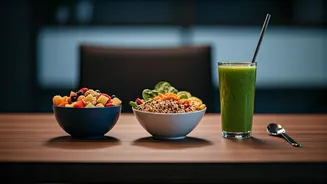
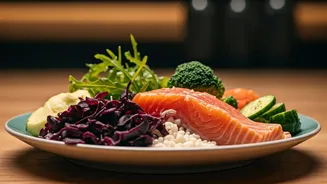
Adopting this "world's easiest diet" involves a few fundamental, non-negotiable habits. First, completely abstain from alcohol and eliminate all processed foods from your meals. A critical component is prioritizing protein intake, aiming for 0.7 to one gram per pound of your body weight, with a focus on lean sources like fish and chicken. Daily consumption of two cups of dark berries is essential, and consider replacing your second cup of coffee with green tea for its antioxidant benefits. Additionally, incorporate polyphenol-rich greens such as spinach, kale, and arugula into every meal, and bolster your gut health with fermented foods and bone broth. These elements work synergistically to provide anti-inflammatory, fiber-rich, and antioxidant-dense nourishment.
Timing Your Meals
Beyond just what you eat, the timing of your meals plays a pivotal role in reducing visceral fat. Time-restricted eating, specifically finishing your last meal three to five hours before bedtime, is highlighted as a powerful addition to the dietary strategy. The principle is simple: by giving your body a break from constant digestion, insulin levels drop, allowing your body to more effectively burn stored fat. This practice essentially shifts your body's metabolic state from storage mode to fat-burning mode, making the timing of your food intake as crucial as the food choices themselves for optimal visceral fat reduction.
Exercise for Fat Loss
While diet is paramount, a well-rounded approach to shedding visceral fat necessitates incorporating structured physical activity. Complementing your nutrition plan with regular exercise is key to preserving muscle mass as body fat decreases, thereby enhancing your overall metabolic health. The recommended routine includes consistent strength training to build and maintain muscle, daily walking to encourage calorie expenditure and improve cardiovascular function, and occasional high-intensity interval training (HIIT) sessions for an extra metabolic boost. This combination ensures that weight loss is predominantly fat loss, contributing to a healthier body composition and improved long-term well-being.
Commitment and Results
Achieving significant reductions in visceral fat requires a dedicated and consistent effort, typically around 90 days of focused execution. This isn't about sporadic attempts or "pretty good" adherence; it demands unwavering commitment to the dietary and lifestyle changes outlined. The overarching message is that sustainable health improvements, particularly concerning visceral fat, are not the result of quick fixes or temporary motivational surges. Instead, they stem from building and maintaining habits related to balanced nutrition, structured training, and mindful eating practices that can be sustained well beyond the initial 90-day period, leading to lasting positive health outcomes.