'%3e%3cpath%20fill-rule='evenodd'%20clip-rule='evenodd'%20d='M6%200C10.4183%200%2014%203.58171%2014%207.99999V14.0003C14%2018.4186%2017.5817%2022.0003%2022%2022.0003H122C126.418%2022.0003%20130%2018.4186%20130%2014.0003V8C130%203.58172%20133.582%200%20138%200H6Z'%20fill='%23EDF2E7'/%3e%3c/g%3e%3cdefs%3e%3cfilter%20id='filter0_d_12223_4749'%20x='0'%20y='0'%20width='144'%20height='36'%20filterUnits='userSpaceOnUse'%20color-interpolation-filters='sRGB'%3e%3cfeFlood%20flood-opacity='0'%20result='BackgroundImageFix'/%3e%3cfeColorMatrix%20in='SourceAlpha'%20type='matrix'%20values='0%200%200%200%200%200%200%200%200%200%200%200%200%200%200%200%200%200%20127%200'%20result='hardAlpha'/%3e%3cfeOffset%20dy='8'/%3e%3cfeGaussianBlur%20stdDeviation='3'/%3e%3cfeComposite%20in2='hardAlpha'%20operator='out'/%3e%3cfeColorMatrix%20type='matrix'%20values='0%200%200%200%200.356863%200%200%200%200%200.427451%200%200%200%200%200.270588%200%200%200%200.7%200'/%3e%3cfeBlend%20mode='normal'%20in2='BackgroundImageFix'%20result='effect1_dropShadow_12223_4749'/%3e%3cfeBlend%20mode='normal'%20in='SourceGraphic'%20in2='effect1_dropShadow_12223_4749'%20result='shape'/%3e%3c/filter%3e%3c/defs%3e%3c/svg%3e)
The 2026 Ekadashi Date
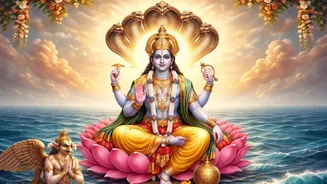
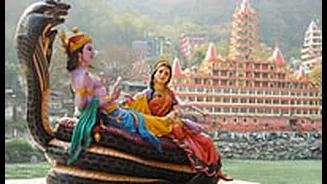
In the year 2026, the auspicious occasion of Vijaya Ekadashi will be observed on Friday, February 13th. This particular Ekadashi is dedicated to Lord Vishnu
and is celebrated during the waning phase (Krishna Paksha) of the Phalguna month. The timing of Ekadashi tithi is crucial; it commences at 12:22 PM on February 12th and concludes at 2:25 PM on February 13th. According to traditional Hindu calendrical practices, a day is marked from sunrise. Therefore, as the Ekadashi tithi is present at sunrise on February 13th, the observance of the fast will primarily take place on this Friday. This sunrise-based system dictates the date, distinguishing it from the midnight-centric Western calendar, ensuring devotees adhere to the tithi's presence for a valid observance.
Breaking the Fast: Parana Timing
The ritual of breaking the Ekadashi fast, known as 'Parana,' is scheduled for the following day, February 14th, which will be a Saturday. The most auspicious window for performing Parana is between 7:00 AM and 9:14 AM. It's important to note that the Dwadashi tithi, on which Parana is performed, extends until 4:01 PM on the same day. Scriptural guidance strongly advises against breaking the fast during 'Hari Vasara,' which represents the initial period of the Dwadashi tithi. Therefore, focusing on the early morning hours is recommended for optimal spiritual benefit. Should unforeseen circumstances prevent adherence to this specific window, Parana can be performed later, but it is essential not to delay beyond the conclusion of Dwadashi tithi.
Observing the Vrat Rituals
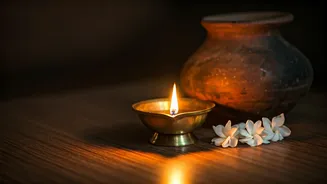
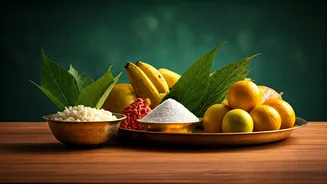
The observance of Vijaya Ekadashi involves a disciplined yet straightforward spiritual regimen. Devotees are encouraged to wake early, undertake a purifying ritual bath, and make a sincere vow to observe the fast with devotion. The primary focus is on worshipping Lord Vishnu, typically with offerings such as flowers, incense, fresh tulsi leaves, and lamps. Many devotees engage in reciting the Vishnu Sahasranama (a thousand names of Lord Vishnu), listen to the Ekadashi vrat katha (narrative), or chant Vishnu mantras throughout the fasting period. Prohibited food items typically include grains, pulses, rice, and lentils. Those undertaking a strict fast might consume only water, while others opt for a diet comprising fruits and milk. The day is ideally dedicated to prayer, maintaining silence, practicing charity, and engaging in spiritual contemplation.
The Core Significance
The profound significance of Vijaya Ekadashi is beautifully illustrated in ancient scriptures, notably through the legendary tale of Vakdalbhya Muni and Lord Rama. It is recounted that Lord Rama himself observed this Ekadashi prior to his epic journey to Lanka, a decision that ultimately paved the way for his victory over the demon king Ravana. Symbolically, Vijaya Ekadashi embodies triumph over internal struggles such as fear, doubt, and personal weaknesses. Consequently, individuals grappling with protracted challenges, legal battles, career uncertainties, or emotional turmoil often observe this vrat. It is not seen as a guarantee of external outcomes, but rather as a practice to cultivate enduring patience, mental clarity, and inner resilience. While householders generally observe the fast on the main Ekadashi day, specific traditions may see ascetics or those seeking spiritual liberation observing it on an alternate day if advised. Ultimately, Vijaya Ekadashi is more about mindful discipline and a conscious effort towards self-restraint and steady progress than rigid adherence to complex rituals. It serves as a spiritual pause, restoring focus and strengthening faith for the journey ahead.